Why MOQ in Eyewear Manufacturing Is More Complicated Than You Think
May 22, 2026
One of the most common questions we hear from new eyewear brands is:
“Why is the MOQ so high?”
At first glance, it sounds reasonable.
If a factory can produce 1,000 frames, why can’t it simply produce 100?
Technically, it can.
But eyewear manufacturing is not as simple as pressing a button and watching glasses come out of a machine. MOQ (Minimum Order Quantity) exists for many practical reasons — involving raw materials, production efficiency, setup loss, labor cost, and even supply chain coordination.
In fact, MOQ is not designed to make things difficult for customers.
It is actually the result of balancing costs and efficiency for everyone involved in the production chain.
Let’s break it down from a real manufacturing perspective.
1. MOQ Often Starts From the Raw Material Supply Chain
One thing many buyers don’t realize is:
factories also have suppliers.
And those suppliers have MOQ requirements too.
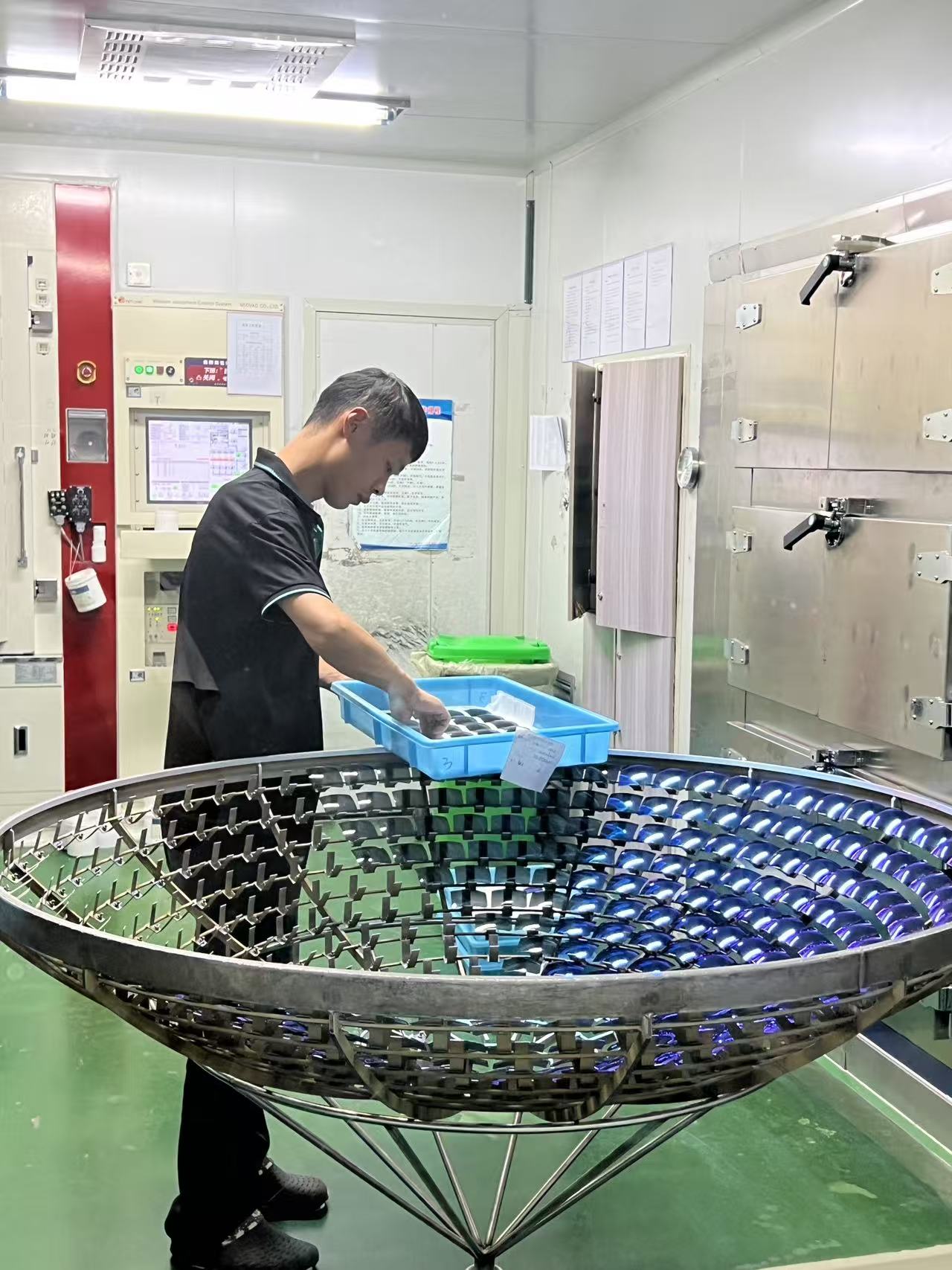
For example:
- acetate sheet suppliers
- sunglass lens suppliers
- hinge manufacturers
- screws and nose pad suppliers
- packaging vendors
all operate with their own minimum production quantities.
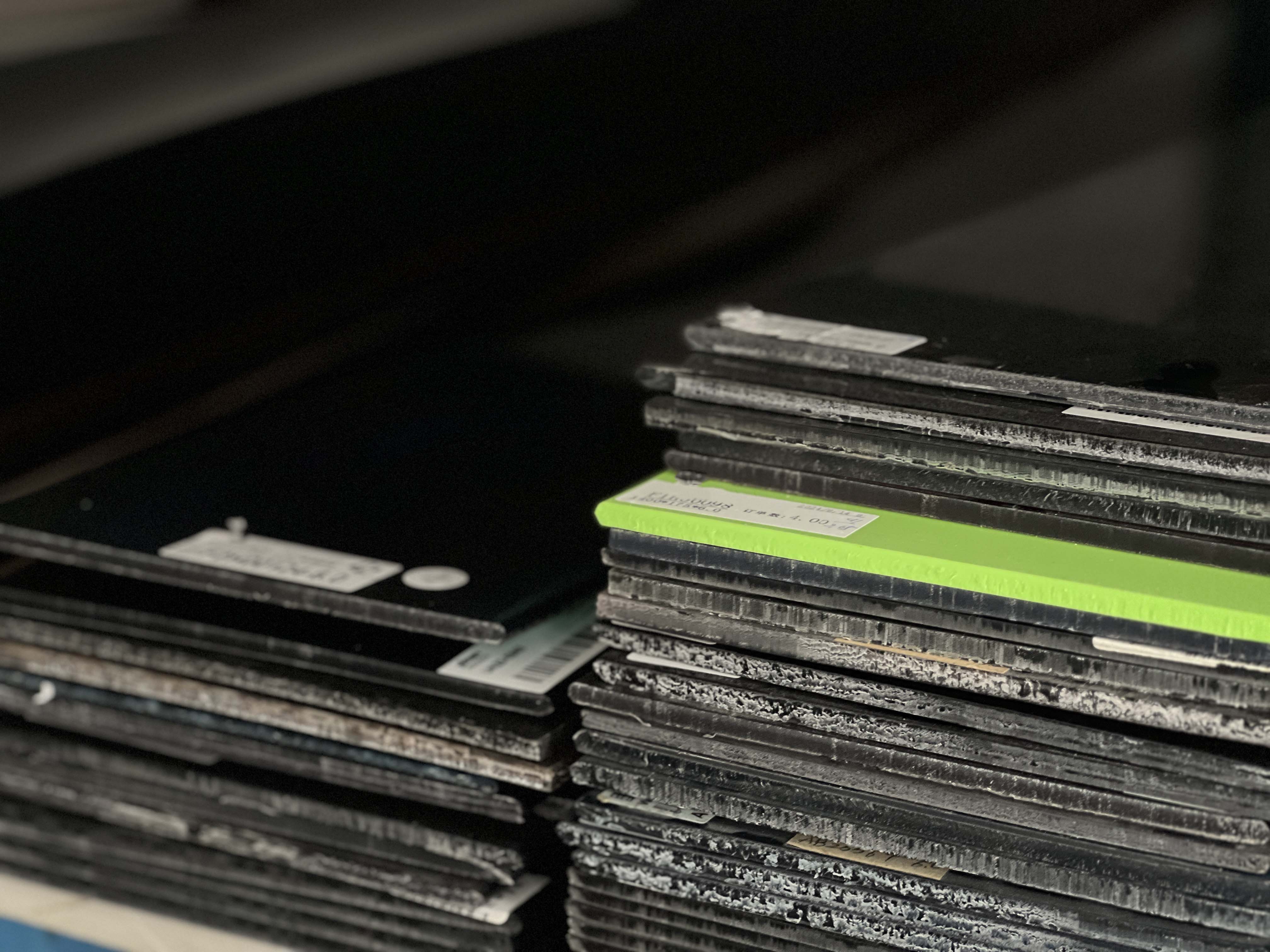
Take acetate eyewear as an example.
A custom color acetate sheet may require a supplier to produce an entire batch just for one color. If the eyewear order quantity is too small, the factory may not even be able to purchase enough material to meet the supplier’s minimum production requirement.
The same logic applies to:
- custom lenses
- logo metal parts
- plated hardware
- specialized packaging
This is why MOQ is often connected to the entire supply chain — not only the eyewear factory itself.
2. Average Cost Changes Everything
Now let’s answer another common question:
“If all materials are ready, can you still produce below MOQ?”
Of course.
But the real issue becomes:
whether the final cost is still commercially acceptable.
This is where average production cost becomes important.
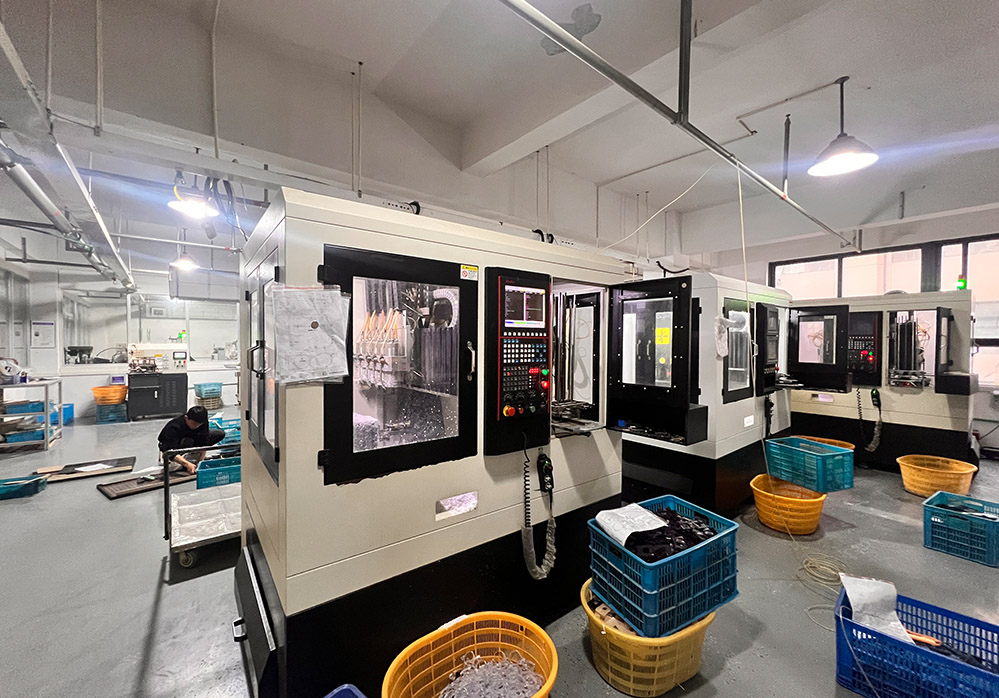
For example, in an acetate workshop, CNC technicians may spend nearly an hour:
- adjusting machines
- testing milling depth
- refining frame curves
- checking lens groove accuracy
- re-adjusting the tooling
before actual production even begins.
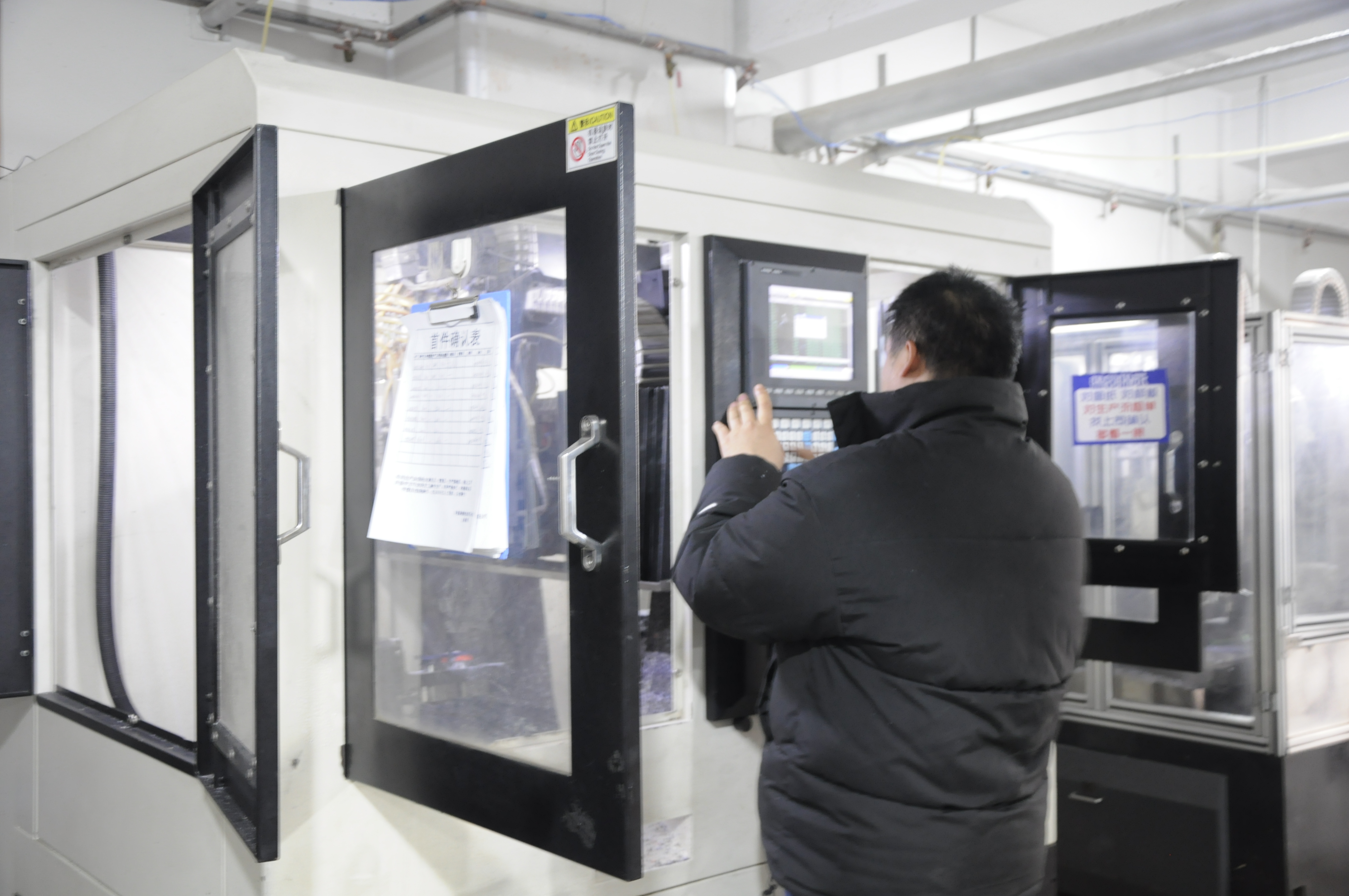
If the final order is only 100 pieces, that entire setup cost gets divided into just 100 frames.
But if the order is 1,000 pieces, the same setup cost becomes much smaller per unit.
And CNC adjustment is only one example.
Other fixed production costs include:
- injection mold setup
- barrel polishing preparation
- electroplating setup
- welding adjustment
- laser logo programming
- quality inspection preparation
In reality, factories can produce very small quantities.
But once the actual cost is calculated, the unit price often becomes so high that customers no longer find the project commercially viable.
That’s one of the hidden reasons MOQ exists:
it helps keep pricing within a range most clients can realistically accept.
Interestingly, if a customer is willing to accept a significantly higher price, MOQ can sometimes become more flexible.
Because in manufacturing, MOQ is often not a technical limit —
It's an economic balance.
3. Production Loss Is a Real Cost
Every production process includes unavoidable loss.
This is normal in manufacturing.
For example:
- trial injection during injection molding
- acetate machine calibration
- welding adjustments
- polishing loss
- plating test pieces
- defective units during QC
These losses exist whether the order is large or small.
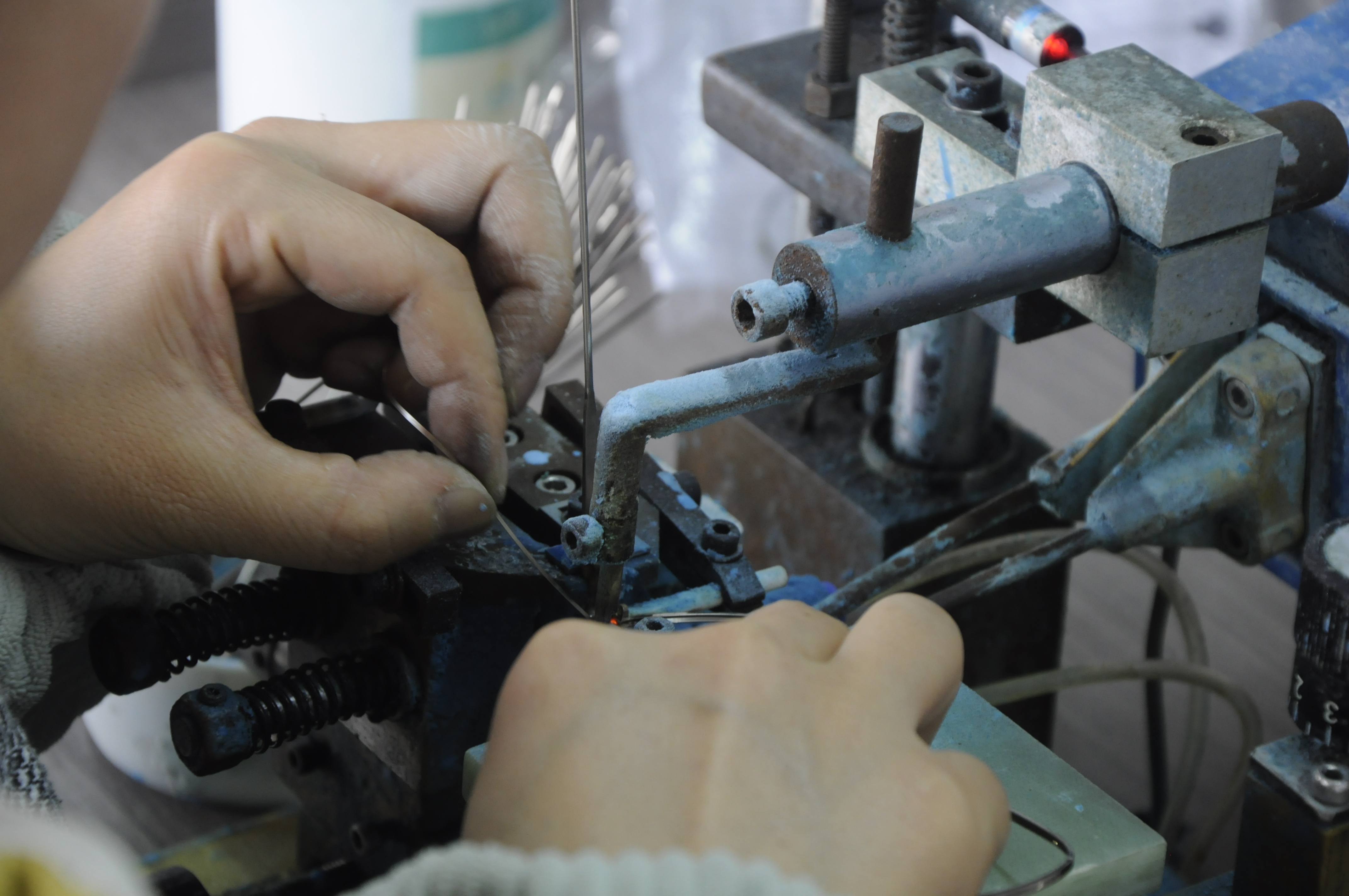
Let’s use a simple example:
If a 100-piece order produces 10 pieces of setup and production loss:
- loss ratio = 10%
But if a 1,000-piece order produces the same 10 pieces of loss:
- loss ratio = 1%
The difference in unit cost becomes obvious immediately.
This is why low-quantity production often feels disproportionately expensive.
The fixed loss does not shrink at the same speed as the order quantity.
4. Smaller Orders Do Not Always Save Production Time
This is another misconception many people have.
Buyers often assume:
“If I produce fewer frames, production should be much faster.”
But many eyewear manufacturing processes require fixed operating time regardless of quantity.
For example:
- acetate drying
- barrel tumbling and polishing
- plating cycles
- oven curing
- injection machine preparation
- welding calibration
Whether the factory produces:
-
150 frames
or - 500 frames
Some processes still consume nearly the same production time.
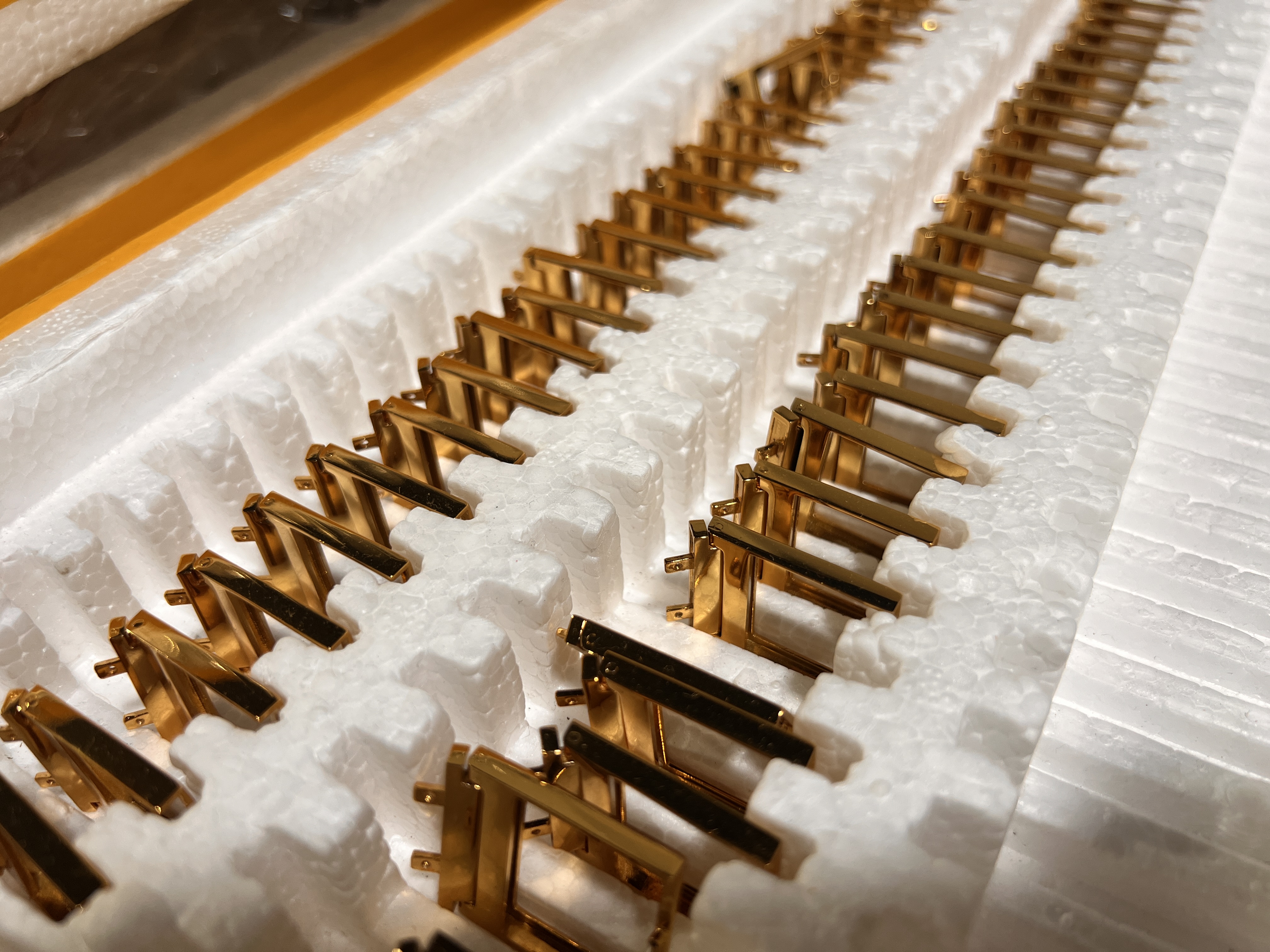
This creates an awkward situation for both sides.
For the client:
- The lead time may not become much shorter
- But the unit price becomes much higher
For the factory:
- The production line is occupied for a similar time
- But output and profitability are much lower
This is why extremely small orders are often inefficient for everyone involved.
MOQ Is Actually a Balance Between Multiple Parties
In the end, MOQ is not just a “factory rule.”
It is the result of coordination between:
- raw material suppliers
- production workshops
- machine efficiency
- labor cost
- manufacturing loss
- pricing expectations
- commercial viability
When MOQ is properly balanced:
- raw material suppliers can produce efficiently
- factories can maintain stable production
- customers receive more competitive pricing
- product quality becomes more consistent
In other words:
MOQ is not created to block cooperation.
It is created to make sustainable production possible.
How Bright Eyewear Approaches MOQ
At Bright Eyewear, we understand that every brand is at a different stage of development.
Some clients are:
- testing a new market
- launching a startup collection
- validating new designs
while others are preparing large-scale seasonal production.
That’s why we always try to evaluate MOQ based on:
- material type
- structure complexity
- production method
- color customization
- long-term cooperation potential
Because good manufacturing is not only about saying “yes” or “no.”
It’s about helping clients find the most practical balance between:
design goals, production efficiency, pricing, and long-term scalability.
Final Thought
MOQ in eyewear manufacturing is much more complicated than most people think.
Behind every MOQ number are:
- supply chain realities
- engineering setup
- production loss
- labor efficiency
- manufacturing economics
The good news is:
once brands understand why MOQ exists, communication with factories becomes much smoother — and product development becomes far more efficient.
Because in the end, the best manufacturing partnerships are not built on pushing MOQ endlessly lower.
They are built on finding a production strategy that works for everyone.