Why a Stable Eyewear Supplier Matters More Than Ever When Material Costs Surge
April 04, 2026
In today’s global market, eyewear manufacturing is no longer just about design, quality, and delivery.
It is also about cost resilience.
Over the past year, suppliers across the manufacturing world have been facing enormous pressure. Rising geopolitical tensions, ongoing conflicts, and supply chain instability have pushed the cost of raw materials sharply upward. Gold and silver, in particular, have seen strong price volatility driven by safe-haven demand and industrial shortages.
For eyewear manufacturers, these increases are not abstract numbers on a commodities chart. They affect the real cost of every frame that reaches your warehouse.
And if you happen to have a supplier who has not passed every increase directly onto you, that effort deserves more recognition than most brands realize.
The Hidden Cost Pressures Behind Every Eyewear Frame
A finished frame may look simple.
But behind it sits a surprisingly complex chain of raw materials, many of which are directly exposed to global price fluctuations.
Gold in Electroplating
Gold tones remain one of the most widely used finishes in metal eyewear.
Whether it is:
- classic shiny gold
- luxury plated trims
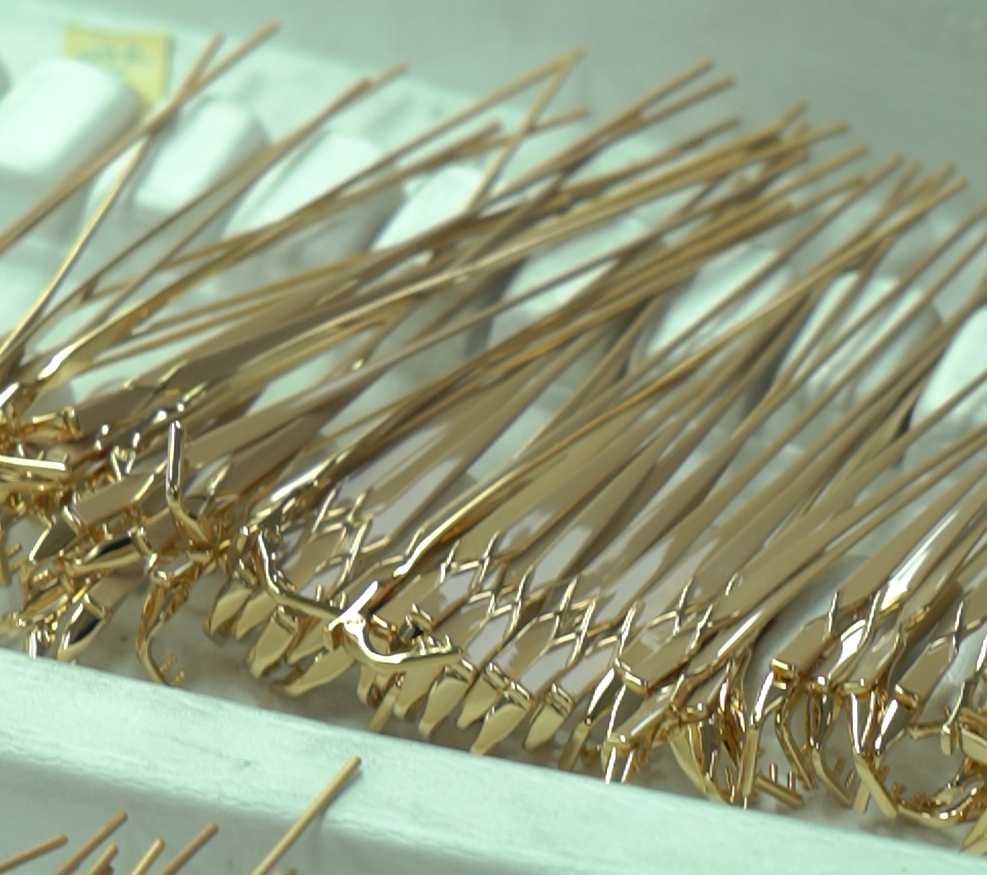
The electroplating process relies heavily on precious metal inputs. As gold prices rise under geopolitical uncertainty, plating costs inevitably climb as well.
Even a small increase in plating chemistry cost can multiply significantly across large production volumes.
Silver in Spot Welding and Structural Assembly
Silver is another material many buyers rarely think about.
In eyewear manufacturing, silver is widely used in:
- hinge spot welding
- nose bridge welding
- fine metal structural joints
- decorative metal connections
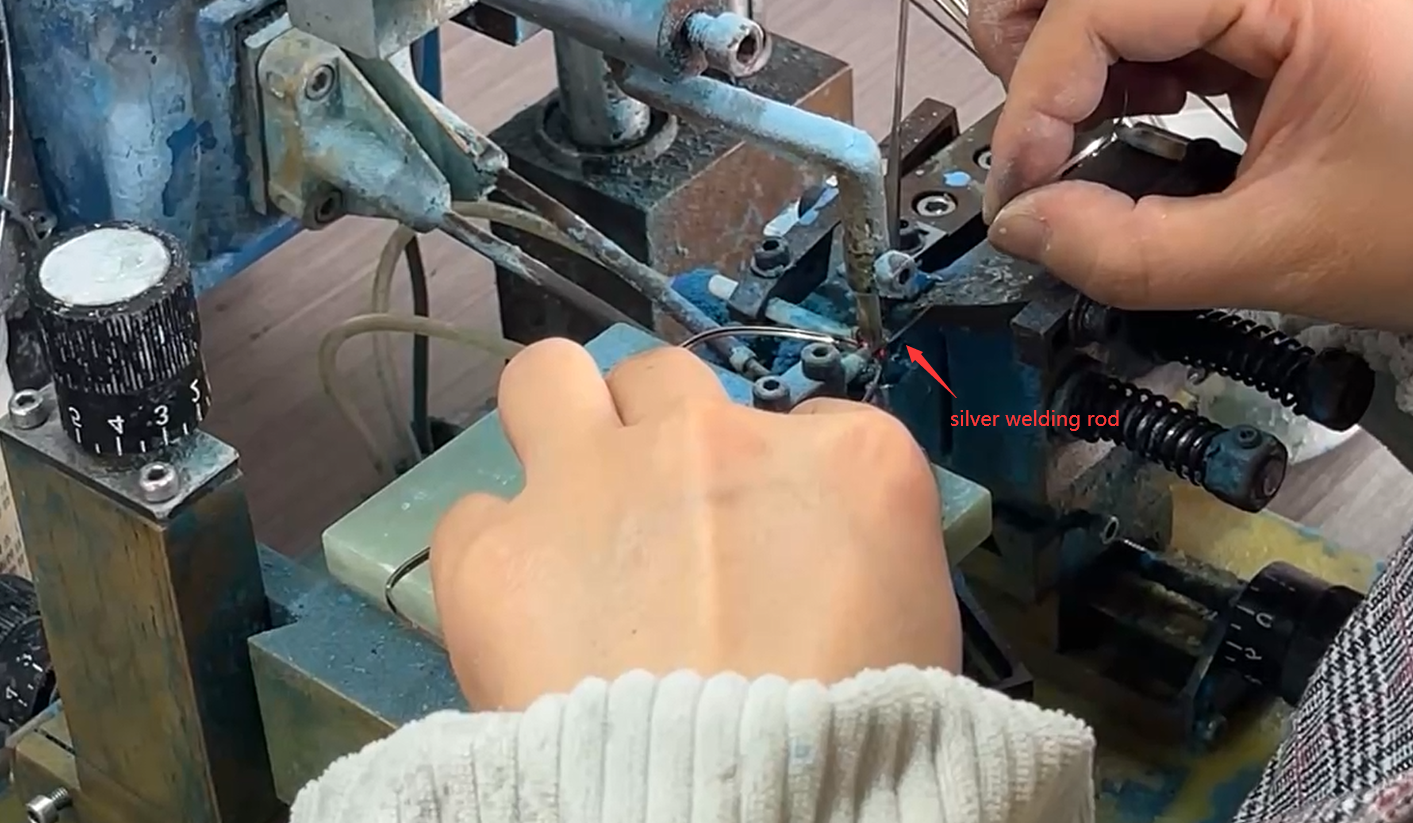
When silver prices rise, every welded metal frame carries higher invisible production cost. Recent market reports show silver prices have surged sharply due to both industrial demand and geopolitical risk premiums.
For high-volume OEM production, this becomes a very real pressure point.
It’s Not Just Metals: Paper, Acetate, and Components Rise Together
The pressure doesn’t stop with precious metals.
Eyewear factories also face cost increases in:
- acetate sheets
- packaging paper
- hinges and screws
- silicone nose pads
- demo lenses
- cartons and export materials
When upstream material suppliers all raise prices at once, manufacturers often absorb multiple layers of inflation simultaneously.
This is why a factory that keeps your prices stable may be making sacrifices in areas you never see:
- tighter margin control
- production efficiency improvements
- internal waste reduction
- strategic bulk purchasing
- long-term supplier negotiation
The Suppliers Who Protect Your Price Are Also Protecting Your Brand
For eyewear brands, stable landed cost is not just a finance issue.
It directly impacts:
- wholesale margin
- retail pricing strategy
- distributor confidence
- annual collection planning
- competitive positioning
A supplier who avoids frequent price increases is doing more than “being nice.”
They are helping you:
protect your SKU profitability
keep your customers confident
avoid sudden retail repricing
maintain product continuity
That stability can be the difference between a smooth launch and a lost season.
Why Long-Term Supplier Relationships Matter in Volatile Times
Anyone can offer a low price when the market is calm.
The real test of a manufacturing partner comes when the raw material cost increase.That's when reliability becomes visible.
The suppliers who quietly absorb part of the increase are often protecting long-term partnerships over short-term margins.
That kind of thinking is rare — and valuable.
How Bright Eyewear Manages Cost Pressure Without Sacrificing Clients
At Bright Eyewear, we understand that stable pricing is part of stable partnership.
When raw materials rise, our first response is not to immediately increase customer prices.
Instead, we work through(Of course, all of this is carried out on the premise of ensuring product quality.):
- material yield optimization
- efficient component sourcing
- production waste reduction
- advance stock preparation before price jumps
- alternative engineering suggestions
This allows many clients to continue planning their collections with confidence, even when the global market is under pressure.
Because a supplier should not only build frames.
A supplier should also help protect your business model.
Final Thought
In times like these, every stable quotation carries hidden effort.
Behind every unchanged unit price may be:
- nights spent renegotiating suppliers
- internal process improvements
- margin sacrifices
- long-term trust decisions
So if you have a supplier who continues to protect your eyewear pricing while gold, silver, acetate, and packaging costs are rising…
value that relationship.
Because price stability in difficult times is often the clearest sign of a supplier who is thinking like your long-term partner, not just your vendor.
Have you received a price increase notice from your supplier?
👉 Explore our manufacturing services here or contact us for a quote.