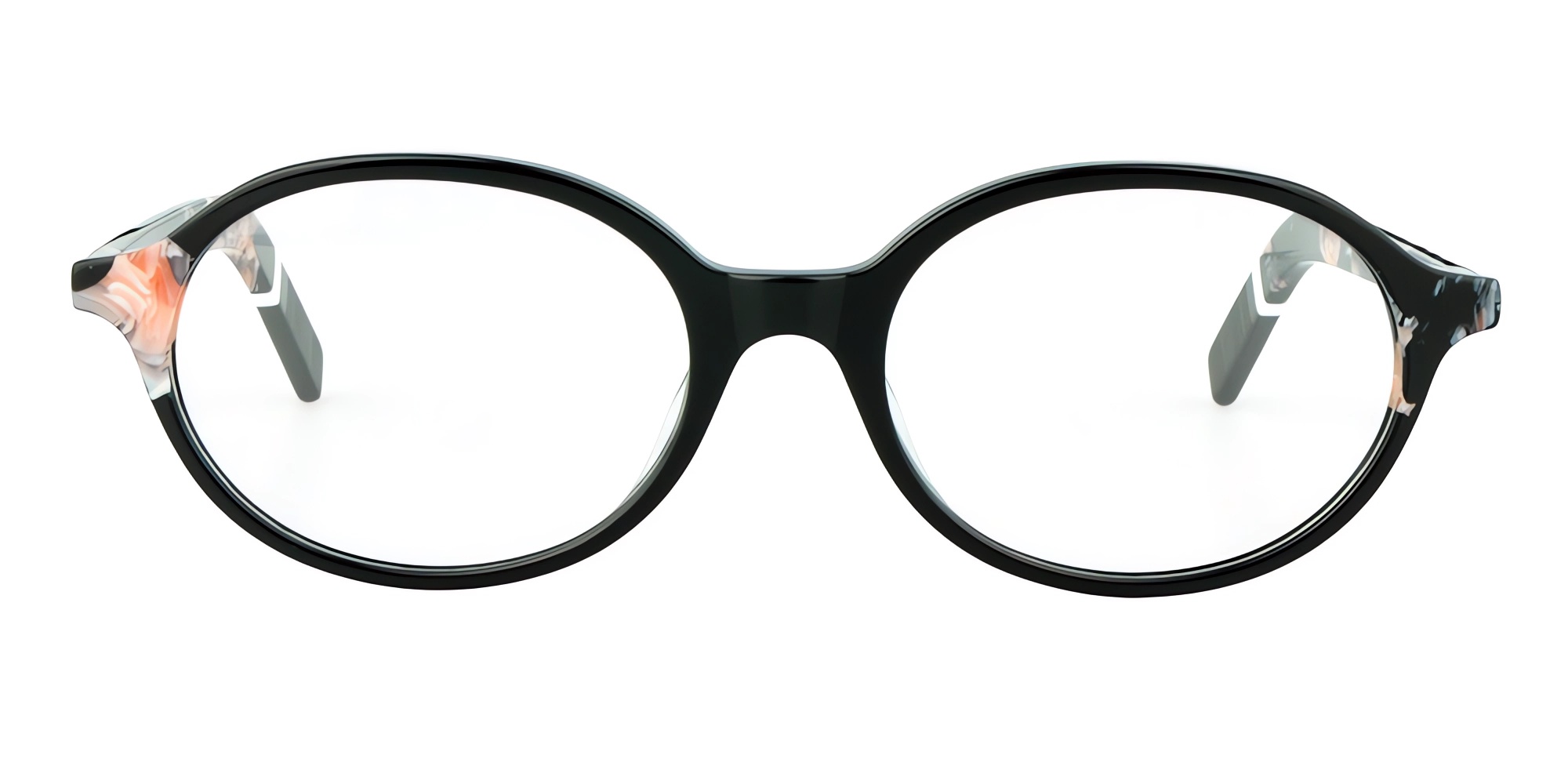
Eyewear Wholesale Sourcing Strategy: Combine Fast-Moving SKUs High-Margin Profit SKUs
October 30, 2026
Stable cash flow for eyewear wholesale cannot rely only on low-price fast-moving goods, nor fully rely on slow-selling high-premium items. A healthy product portfolio is built on a balanced mix of fast-turnover cash-flow SKUs and high-margin profit SKUs. This article breaks down eyewear wholesale sourcing logic from category positioning, pricing strategy, inventory allocation, market adaptation, purchasing planning and risk control. It covers optical frames, sunglasses, reading glasses and sports eyewear, helping distributors optimize SKU structure and improve capital return. Suitable for Bright Eyewear wholesale and OEM lead generation.
1. Two Core Product Lines for Eyewear Wholesale
1. Fast-moving SKUs (Cash-flow SKUs)
Positioning: Quick turnover, low purchase barrier, wide audience, stable repeat orders. Used to attract customers and reduce inventory risk. Features:
Classic timeless design, not easy to be outdated;
Broad audience: basic optical frames, standard reading glasses, general polarized sunglasses;
Moderate unit price, lower gross margin but high sales frequency;
Ideal for supermarkets, online marketplaces, offline chain stores;
Sourcing tips: mature existing molds, stable lead time, low defect rate.
B2B reminder: Low price alone is not enough. High defective rates will cause heavy after-sales losses.
2. High-margin Profit SKUs (Premium SKUs)
Positioning: Main profit contributor, differentiated products to stand out from competitors, for niche buyer groups. Features:
Niche scenarios: cycling sunglasses, snow blindness alpine eyewear, lightweight TR90 optical frames, designer styles;
Clear functional value: UV400, polarized, anti-fog, impact resistant, prescription compatible;
Target buyers: outdoor retailers, boutique optical stores, independent brand sellers;
High profit margin with slower turnover and lower sales volume per SKU;
Sourcing tips: Test with small batches first, avoid overstocking.
2. Recommended Allocation for Capital & SKU Quantity
Two practical allocation models for wholesalers:
General multi-channel wholesale (Offline store + online cross-border) Capital: Fast-moving 60% | Profit SKU 40% SKU count: 70% classic fast styles, 30% niche profit styles
Vertical premium / outdoor channel (outdoor shop, DTC independent store) Capital: Fast-moving 40% | Profit SKU 60% SKU count: 50% basic styles, 50% differentiated functional styles
Warning: A common mistake is locking 80% capital into profit SKUs, which may lead to capital stagnation if sales are poor.
3. Sourcing Screening Criteria
✅ Fast-moving SKU criteria
Universal fit, suitable for most face shapes;
Classic colors: black, grey, tortoiseshell, clear brown;
Basic compliance: UV400, CE for export;
Mature supply chain, low MOQ, quick replenishment;
Stable market demand, no extra customer education needed.
✅ Profit SKU criteria
Clear functional selling points: polarized, anti-fog, impact resistant, low-temperature resistant;
Defined usage scenarios: cycling, mountaineering, skiing, business optical;
Differentiated design: side shields, lightweight TR90, modular structure;
Available for small-batch private label customization;
Less competition, avoid brutal price wars.
4. How the Two Lines Work Together
Fast-moving SKUs attract new buyers and secure repeat orders;
Profit SKUs drive upsell when buyers place basic orders;
Bulk fast-moving orders stabilize factory capacity, so you get better terms for small-batch profit items;
Iterate continuously: Scale up profit SKUs once market demand is proven; phase out obsolete fast-moving styles.
5. Inventory & Purchasing Risk Control
Separate stocking strategy: Keep safety stock for fast-moving items; stock low quantity for profit styles;
Seasonal adjustment: Sunglasses peak in summer; ski eyewear, blue-light optical frames sell better in winter;
Regional difference: Outdoor profit items perform well in Europe & North America; basic styles sell faster in Southeast Asia & Middle East;
Slow-moving alert: Clear SKUs with poor turnover over 90 days;
Supplier requirement: Choose manufacturers that support both ready stock wholesale and small custom orders.
6. Bright Eyewear Wholesale Service
Bright Eyewear supplies ready stock classic eyewear and functional sports eyewear, including optical frames, sunglasses, reading glasses and sports sunglasses. Mixed sample orders are available. Fast replenishment for hot-selling styles, and small-batch OEM for high-margin functional models. CE & ANSI test documentation provided for global distributors.
Conclusion
Eyewear wholesale success is not only about finding cheap goods. It requires a balanced product matrix for cash flow and profit. Fast-turnover SKUs maintain customers and capital liquidity; high-margin SKUs bring extra profit and differentiation. Adjust your capital allocation according to sales channels, test new styles continuously, and achieve stable profit amid fierce price competition.