Why Eyewear Brands Should Watch Fashion Week More Closely Introduction
June 21, 2026
For eyewear brand owners, wholesale buyers, and OEM/ODM manufacturers, global fashion weeks (Paris, Milan, New York, London) are far more than glamorous runway events. They act as the world’s most reliable early trend forecasting platform, dictating the next season’s eyewear silhouettes, material innovations, and overall styling logic long before mass-market demand surges. Many eyewear businesses miss critical profit opportunities by ignoring runway signals: delayed product development, outdated frame designs, and slow response to consumer aesthetic shifts all stem from failing to track fashion week releases. This article breaks down exactly how fashion weeks reshape eyewear trends across silhouettes, materials, and styling directions, plus actionable benefits for every eyewear brand that prioritizes runway research.
1. Fashion Weeks Redefine Dominant Eyewear Silhouettes Season After Season
Frame silhouette is the core selling point of any sunglasses or optical eyewear line, and every major shape trend originates directly from high-fashion runways. Designers treat eyewear as an extension of their ready-to-wear collections, crafting frame profiles that match the season’s clothing aesthetic and planting new shape preferences into mainstream consumer consciousness.
Architectural Geometric Silhouettes
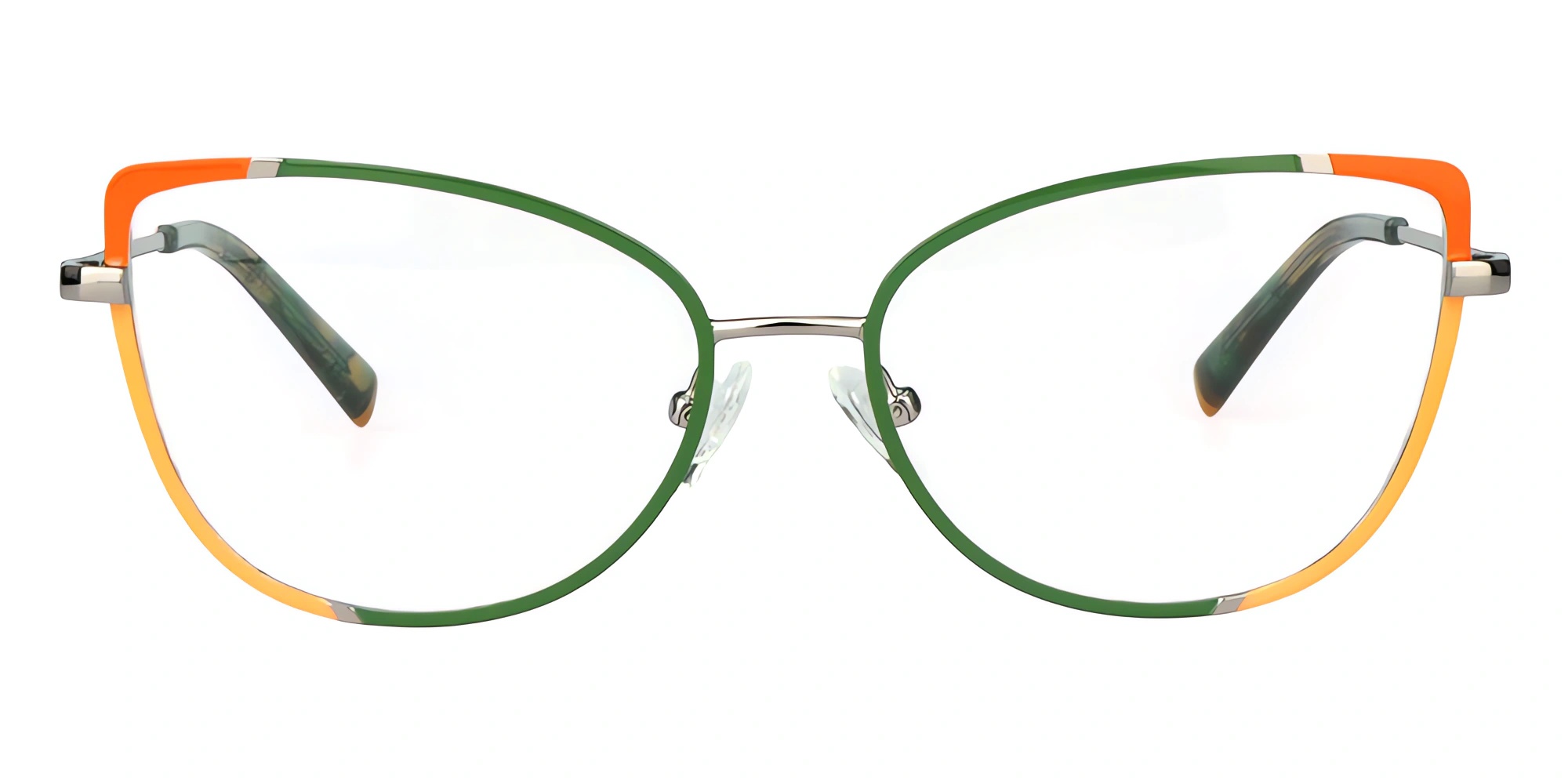
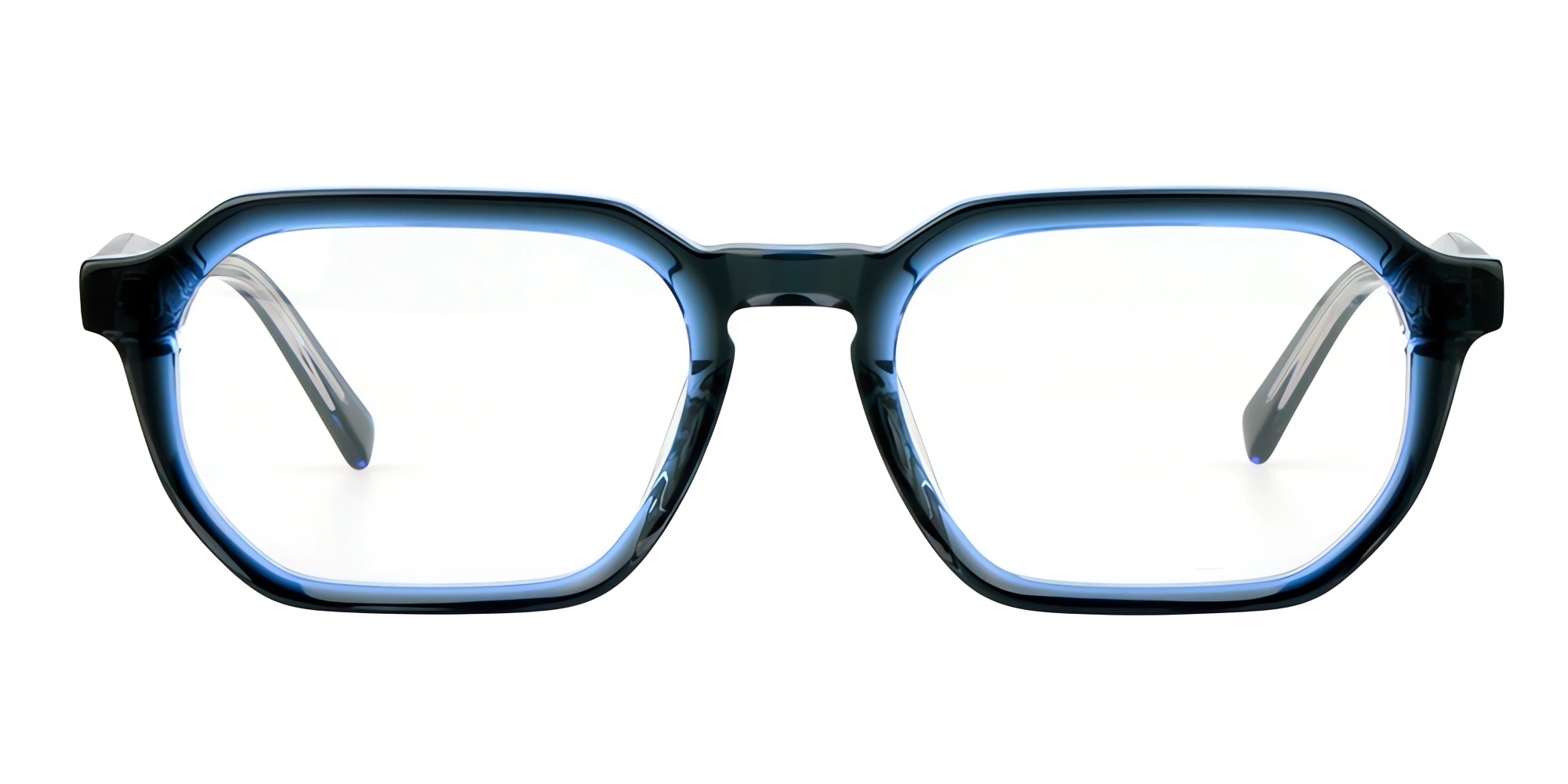
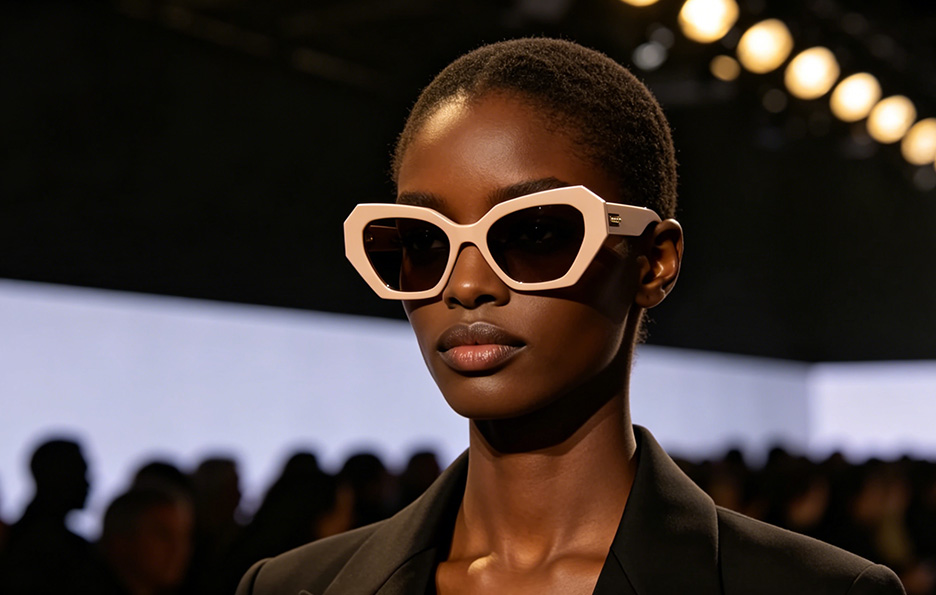
SS26 fashion weeks put sculptural, balanced geometric frames front and center, replacing the unrefined oversized frames of past years. Runway hits included softened octagonal frames, streamlined square rectangles, and modern low-angle cat-eye silhouettes showcased by Valentino, Loewe, and Saint Laurent. Unlike the exaggerated theatrical shapes exclusive to high fashion, these runway-derived silhouettes are toned down for daily wear, striking a balance between statement appeal and practicality. Brands that tracked these shows launched geometric frame collections months ahead of competitors and captured early market share from fashion-forward shoppers.
Two Contrasting Popular Silhouette Directions
Fashion weeks always release dual silhouette trends to cover diverse consumer groups:
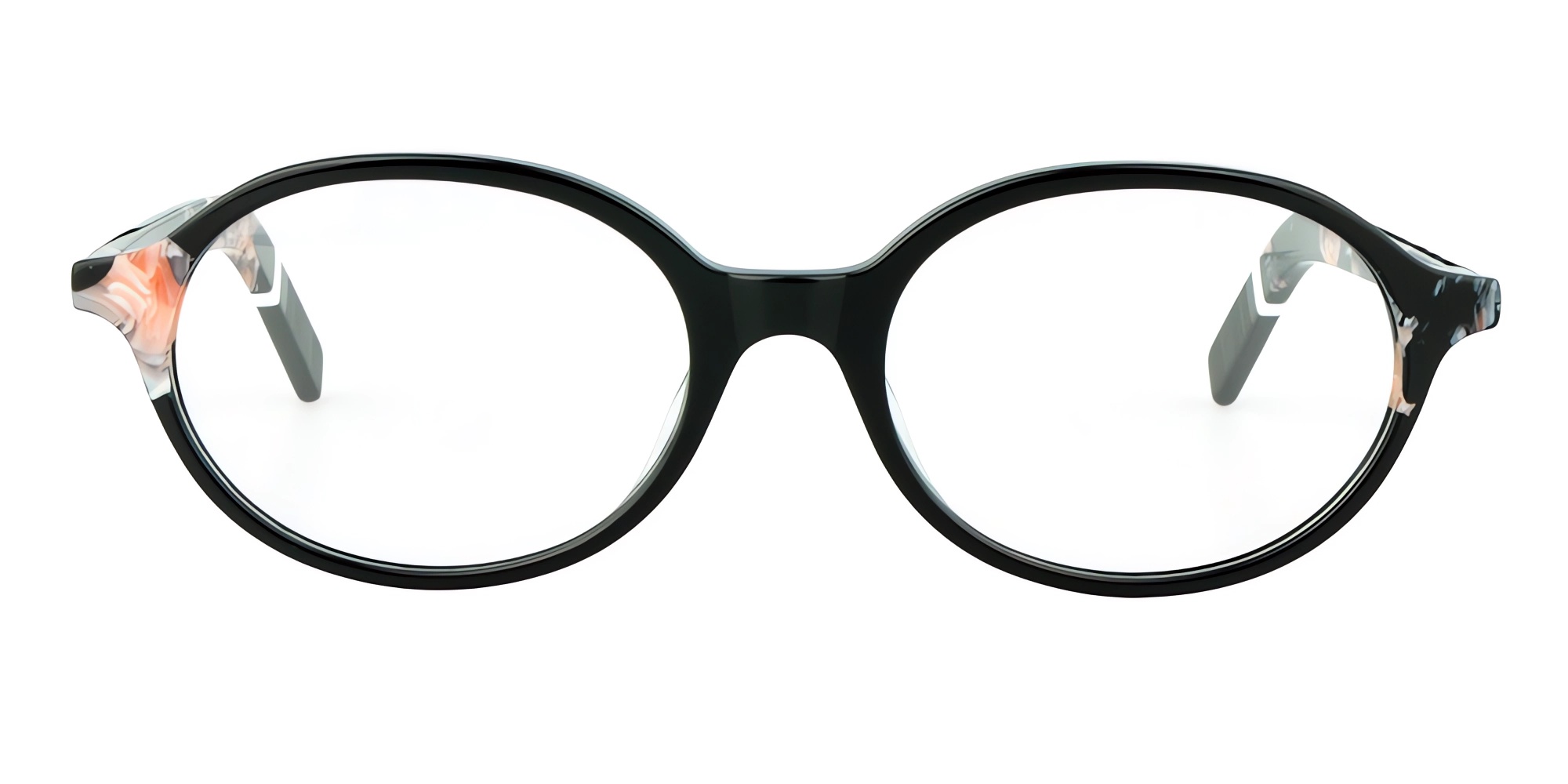
1. Bold Sculptural Oversized: Thick acetate wide frames with rounded edges, paired with loose bohemian and minimalist luxury outfits from Chloé’s runway shows.
2. Minimal Ultra-Slim & Rimless: Weightless thin metal and semi-rimless frames that complement tailored, sleek formal wear, dominating New York Fashion Week’s minimalist collections.
Without closely following runway releases, eyewear designers risk investing molds into outdated round or narrow bug-eye frames that no longer align with current consumer tastes, leading to slow inventory turnover and lost wholesale orders.
2. Runway Shows Unlock Next-Gen Eyewear Material Trends
Material innovation seen at fashion weeks sets the benchmark for premium texture, sustainability, and cost-effective mass production across the entire eyewear supply chain. Top fashion houses test new frame and lens materials on their runways to match seasonal color palettes and brand value propositions, creating clear material demand signals for eyewear manufacturers and brands.
Premium Acetate Variations
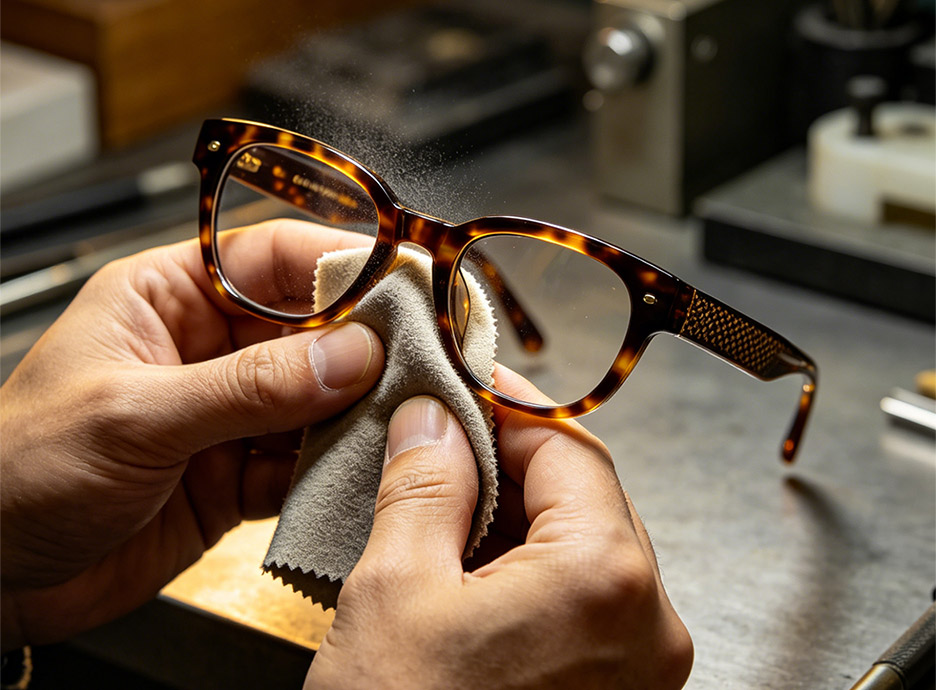
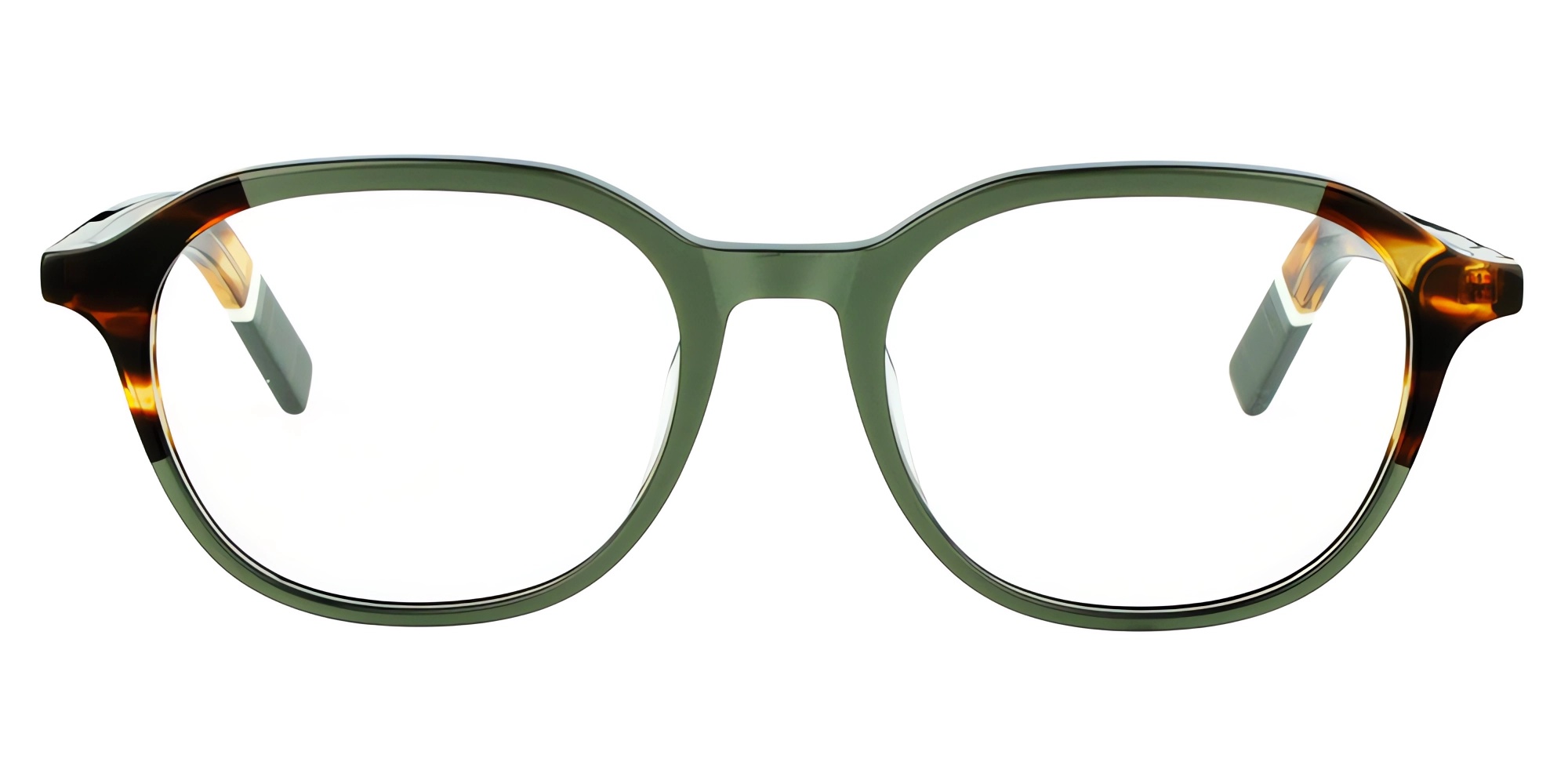
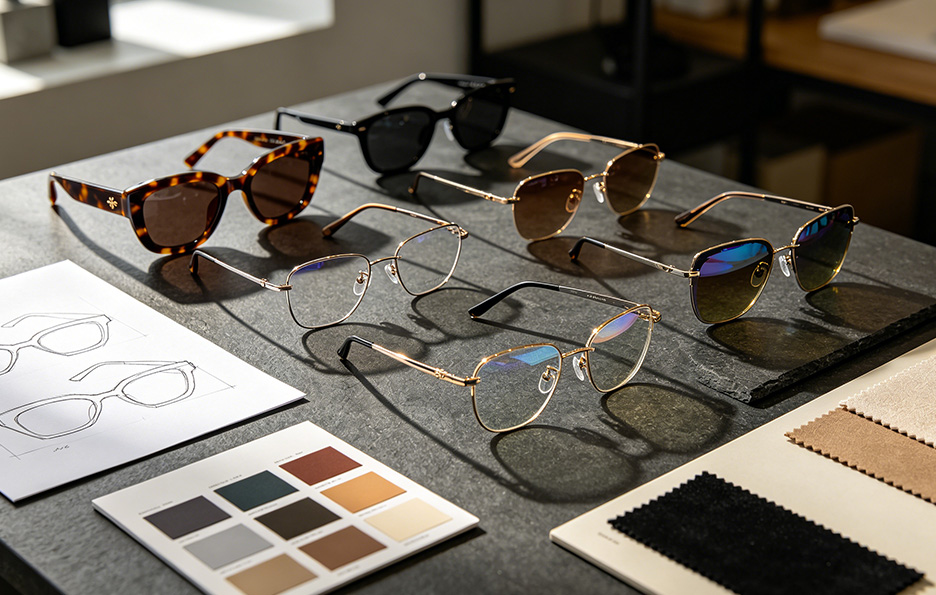
Thick, layered acetate remains the luxury runway staple, but fashion weeks introduced updated acetate applications: translucent neon candy acetate for youthful streetwear lines, matte dark tortoise acetate for mature luxury, and eco-recycled acetate for sustainable brand positioning. These acetate color and finish trends quickly filter down to wholesale bulk sunglasses demand. Factories and brands that pre-ordered recycled acetate raw materials after SS26 runway coverage secured huge orders from eco-focused retailers and cross-border sellers.
Lightweight Metal & Hybrid Frame Combinations
Milan and Paris Fashion Week prioritized hybrid material construction: brushed titanium thin temples paired with acetate front rims, raw matte aluminum geometric frames, and polished stainless steel minimalist structures. This hybrid design solved consumer pain points of heavy full-acetate frames and flimsy all-metal styles. Brands that adopted this dual-material formula early stood out against generic single-mold frames on wholesale marketplaces.
Functional Lens Material Upgrades
Runway styling also drives lens material trends: deep smoked gray UV400 tinted lenses, subtle gradient color lenses, and reflective polarized mirrored lenses repeatedly appeared across luxury brand presentations. These lens choices become non-negotiable requirements for B2B buyers sourcing fashion-forward bulk sunglasses, making runway material research essential for meeting OEM customization demands.
3. Fashion Week Styling Direction Shapes Full Eyewear Marketing & Matching Logic
Beyond individual frame shapes and materials, fashion weeks deliver complete styling narratives that teach brands how to position, market, and package eyewear to fit global consumer lifestyle demands. Every runway collection builds a unified aesthetic system, and eyewear is a core accessory that ties all outfit themes together—this styling blueprint directly guides brand product line planning and retail display strategies.

Narrative-Driven Collection Positioning
Each fashion week season revolves around a core styling theme: 2026’s key themes included retro-futurism, quiet luxury, bohemian coastal, and industrial minimalism. Designers matched distinct eyewear sets to each theme: retro-futurism relied on angular metallic geometric sunglasses; quiet luxury used thin rimless neutral-tone optical frames; bohemian lines featured rounded thick acetate tinted sunglasses. Eyewear brands that split their catalogs by these runway styling themes can provide targeted OEM customization for niche buyers, from boutique offline retailers to cross-border fashion e-commerce stores.
Celebrity & Street Style Amplification of Runway Eyewear
Front-row celebrities, fashion influencers, and street style photographers attending fashion weeks turn niche runway eyewear into viral mainstream trends overnight. A single celebrity wearing a runway-exclusive frame can generate millions in media exposure, triggering surges in wholesale inquiries within weeks. Brands that monitor street style content from fashion week venues can rapidly replicate viral frame styles with flexible low-MOQ OEM production, capitalizing on fleeting trend hype before competitors catch up.
Cross-Category Matching Guidance
Fashion weeks demonstrate exactly which eyewear pairs with seasonal apparel, bags, and footwear. For example, oversized sculptural acetate sunglasses are marketed as the perfect match for wide-leg linen suits and maxi dresses, while slim titanium optical frames target office formal wear consumers. This matching logic helps eyewear brands craft accurate product descriptions, social media marketing content, and retail display guides that resonate better with end customers, boosting sell-through rates for wholesale partners.
4. Core Business Advantages for Brands That Closely Track Fashion Weeks

1. Cut R&D & Inventory Risks
Fashion weeks act as free third-party trend validation. Instead of guessing which styles will sell, brands reference proven runway designs to develop new molds, avoiding wasted investment on unpopular frame shapes or materials. Flexible MOQ OEM eyewear manufacturers can also pre-develop runway-inspired ODM samples to attract more global B2B buyers.
2. Lead the Market with Early Trend Releases
The full mass-market trend cycle lags fashion week presentations by 3–6 months. Brands that analyze runway trends immediately can launch new collections months ahead of generic competitors, securing priority shelf space with global wholesalers and cross-border e-commerce sellers.
3. Boost Custom OEM & Private Label Orders
B2B buyers actively seek runway-aligned, on-trend eyewear to differentiate their own brand offerings. Brands and factories with a library of fashion week-inspired silhouettes and material options become top partners for private-label brand owners looking for unique, marketable custom sunglasses and optical frames.
4. Align Product Lines with Global Consumer Aesthetic Shifts
Different fashion week hubs cater to distinct regional market tastes: Paris and Milan lean into luxury sculptural designs for European high-end buyers; New York focuses on minimalist everyday styles for North American mainstream markets; London emphasizes avant-garde streetwear silhouettes for youth-focused retailers. Tracking each location’s runway output lets brands tailor product assortments to target export markets precisely.
Conclusion
Fashion weeks are not just a source of aesthetic inspiration—they are the most powerful strategic trend tool for eyewear brands of all sizes, from small startup labels to large-scale wholesale OEM manufacturers. Every shift in frame silhouette, material innovation, and styling narrative seen on global runways directly impacts consumer purchasing decisions and B2B wholesale demand.
By closely monitoring Paris, Milan, New York, and London fashion week releases, eyewear businesses can eliminate guesswork from product development, reduce unsold inventory risks, launch on-trend collections faster, and build a more competitive catalog for global buyers. For any brand aiming to grow market share in the fast-moving global eyewear industry, consistent fashion week trend research is no longer optional—it is a core operational necessity.