How Independent Eyewear Brands Can Compete With Luxury Giants
August 02, 2026
For emerging independent eyewear brands, the marketplace is dominated by well-funded luxury eyewear giants. These large corporations own widespread distribution channels, massive marketing budgets, and globally recognized brand prestige. Many small eyewear founders struggle with identical challenges: difficulty standing out, constant pressure of price competition, and slow product iteration speed. However, independent eyewear labels have unique advantages that big luxury brands cannot replicate. With smart differentiation strategies, rational pricing positioning, and flexible OEM cooperation, small eyewear businesses can carve out stable market share and build loyal customer groups without fighting luxury brands on their own terms.
Build Clear Product Differentiation to Attract Target Consumers
Luxury eyewear giants prioritize universal styles that fit broad consumer groups to maximize sales volume. This strategy inevitably leads to formulaic, similar designs. This creates the biggest opportunity for independent eyewear brands to implement product differentiation.
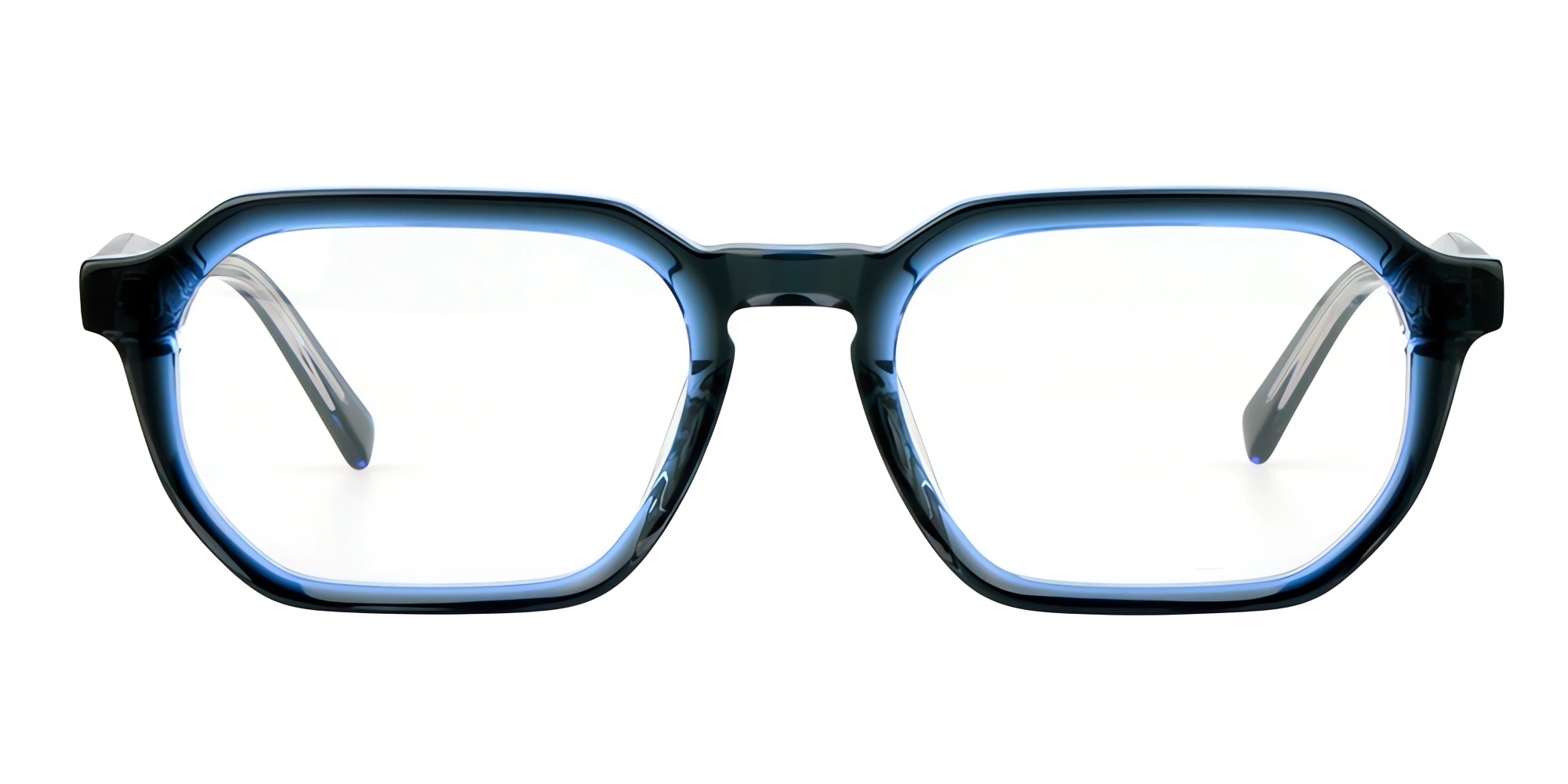
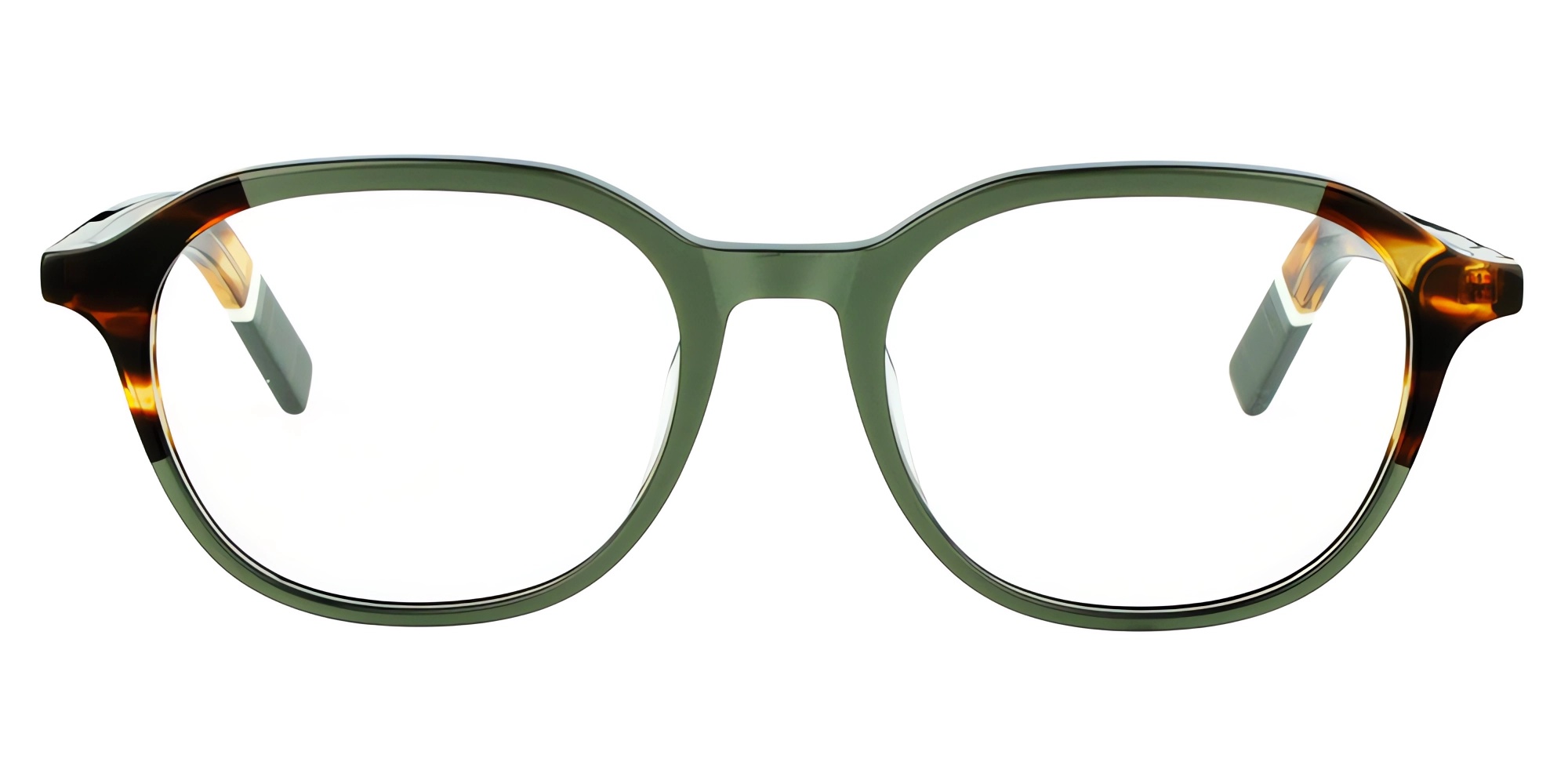
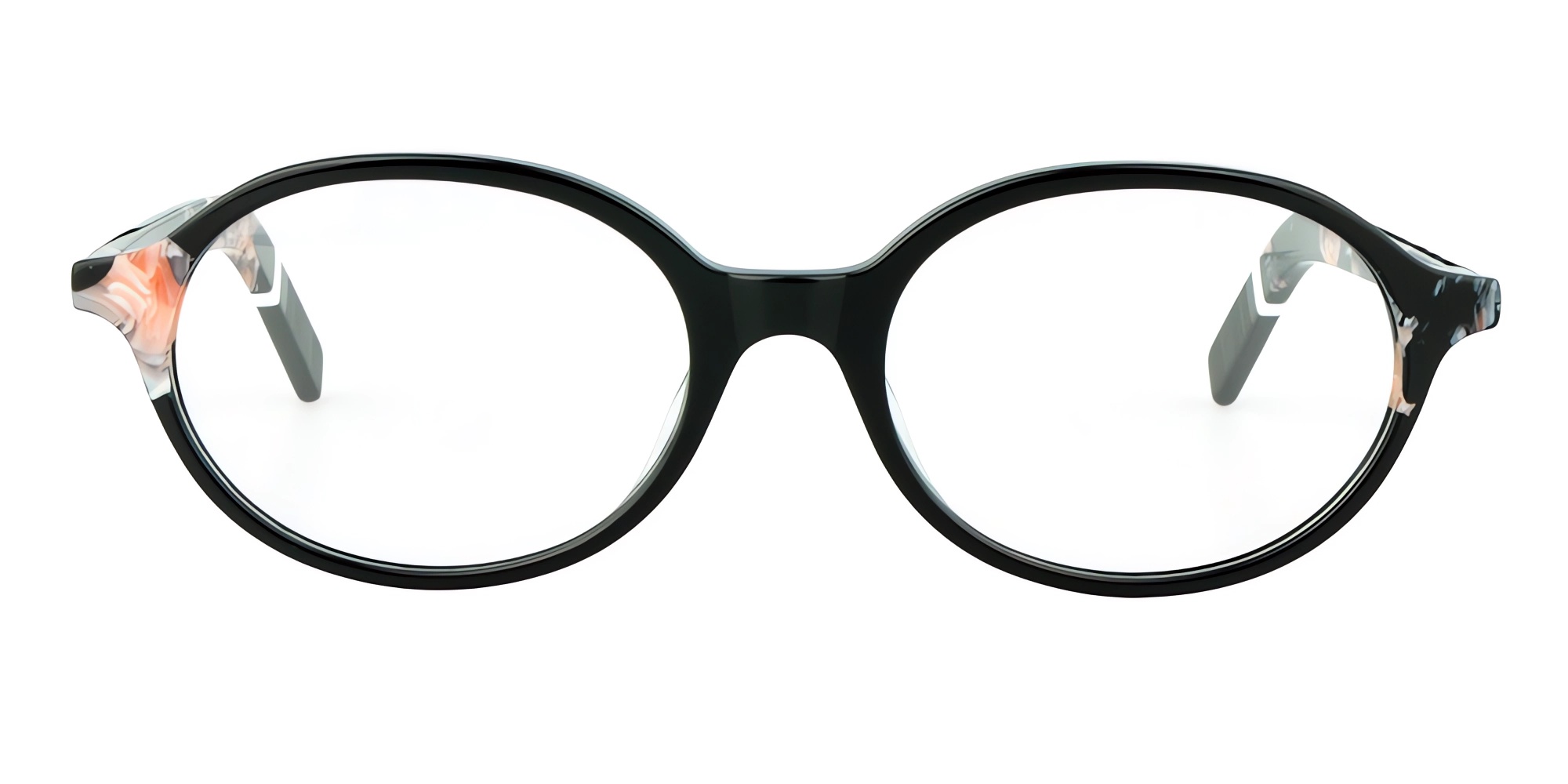
Instead of copying mainstream frame shapes and lens options, small brands can focus on segmented niche crowds. You may design eyewear targeted at outdoor enthusiasts, fashion-focused Gen Z, prescription sunglass users, eco-conscious consumers or people seeking lightweight daily eyewear. Material selection is another powerful differentiation point: sustainable recycled acetate, lightweight titanium alloy, bio-based frames or polarized lenses optimized for specific scenarios can set your products apart.
Besides hardware upgrades, experiential differentiation works effectively. Independent eyewear brands can add personalized details: custom laser engraving, limited seasonal colorways, exclusive frame sizes for Asian facial contours, or matching branded accessories. When your eyewear solves specific pain points that mass luxury products ignore, customers will choose your brand not merely based on brand fame, but unique value that they cannot find from luxury giants.
Avoid Destructive Price Wars With Luxury & Low-cost Competitors
Price competition is a trap many independent eyewear brands fall into. Competing with luxury brands by cutting prices rarely works, and battling cheap wholesale eyewear will squeeze profit margins to unsustainable levels. The core solution is shifting competition focus from price to value.
First, clarify your brand positioning and avoid positioning your products as direct substitutes for luxury eyewear. Do not attempt to “offer luxury quality at half price”. Instead, communicate your unique brand story, design philosophy and craftsmanship. Consumers who value individuality are willing to pay a reasonable premium for exclusive, niche eyewear rather than mass-produced luxury models.
Second, construct tiered product portfolios. Launch core signature products with stable profit margins, paired with small-volume limited-edition items to enhance brand premium. Avoid frequent large-scale discounts. Regular heavy promotions train customers to wait for price cuts and damage long-term brand value.
Moreover, develop direct communication channels with end buyers. Independent brands on Shopify, Amazon and social media can interact directly with customers. Building community trust enables you to sell based on recognition, rather than continuously lowering prices to attract transient buyers.
Leverage OEM Services to Accelerate New Product Launches
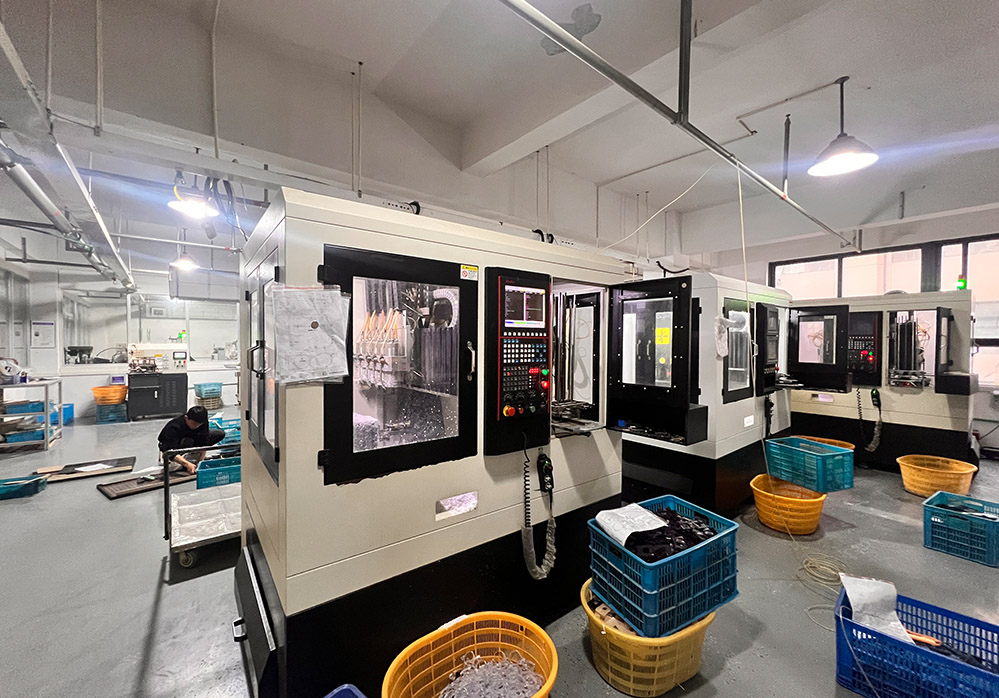
One major disadvantage of small eyewear startups compared with luxury groups is limited capital and in-house production capacity. Cooperating with professional eyewear OEM manufacturers eliminates the pressure of building factories, purchasing equipment and stocking massive raw materials, and greatly speeds up your new product iteration rhythm.
Reliable eyewear OEM factories support flexible order quantities, which is critical for independent brands. You do not need to place huge bulk orders like luxury brands. You can launch small-batch trial products to test market feedback. If a new frame style gains positive customer responses, you can arrange supplementary production quickly; for unpopular styles, you avoid massive inventory losses.
Full-service OEM partners can deliver one-stop solutions: frame design optimization, lens configuration, private label printing, customized packaging and quality inspection. Independent eyewear operators can concentrate energy on brand marketing, consumer research and channel operation, instead of wasting resources on production management.
Fast new product iteration is a sharp weapon against slow-moving luxury brands. Large luxury eyewear brands usually need 12 to 18 months to complete a new product cycle. With flexible OEM cooperation, independent brands can launch new collections every 3–6 months, continuously maintaining consumer attention and keeping your catalog fresh.
Conclusion
Independent eyewear brands do not need to defeat luxury giants head-on. Success lies in discovering market gaps neglected by large enterprises. By creating differentiated products for niche audiences, escaping vicious price competition via value marketing, and utilizing flexible OEM resources to achieve rapid new product updates, small eyewear labels can cultivate their own loyal customer base. In the eyewear market, consumers increasingly crave individuality. This lasting trend creates endless opportunities for distinctive independent eyewear brands to thrive alongside established luxury players.
FAQ
Q1: What is the biggest advantage of independent eyewear brands over luxury giants?
A1: Independent eyewear brands have flexible market response capabilities, niche design differentiation, and higher cost performance. They can accurately capture segmented user pain points and launch scenario-based, crowd-targeted products and services that luxury giants cannot cover, avoiding homogeneous mass production.
Q2: Can OEM cooperation affect the originality and quality of independent eyewear products?
A2: No. As long as brands retain independent design rights and put forward clear customized process and material requirements, OEM manufacturers are only responsible for standardized production. This mode can ensure product originality while using mature factory processes to improve product quality stability.
Q3: How can small eyewear brands maintain long-term competitiveness?
A3: Insist on product differentiation innovation, take value service and brand emotion as the core to avoid price involution, and use flexible OEM supply chain to realize rapid new product iteration, continuously meet personalized market demand, and build exclusive brand barriers.