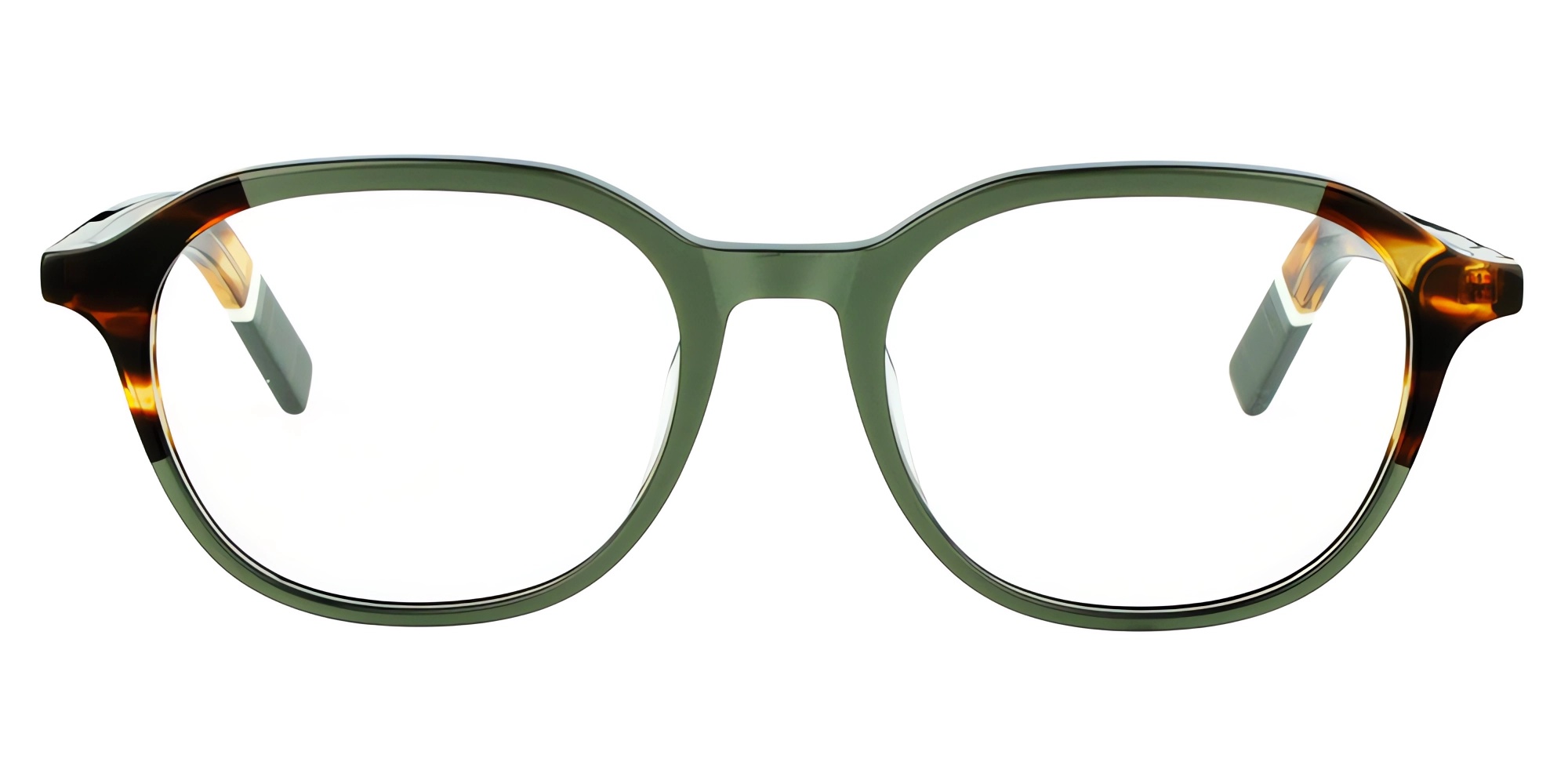
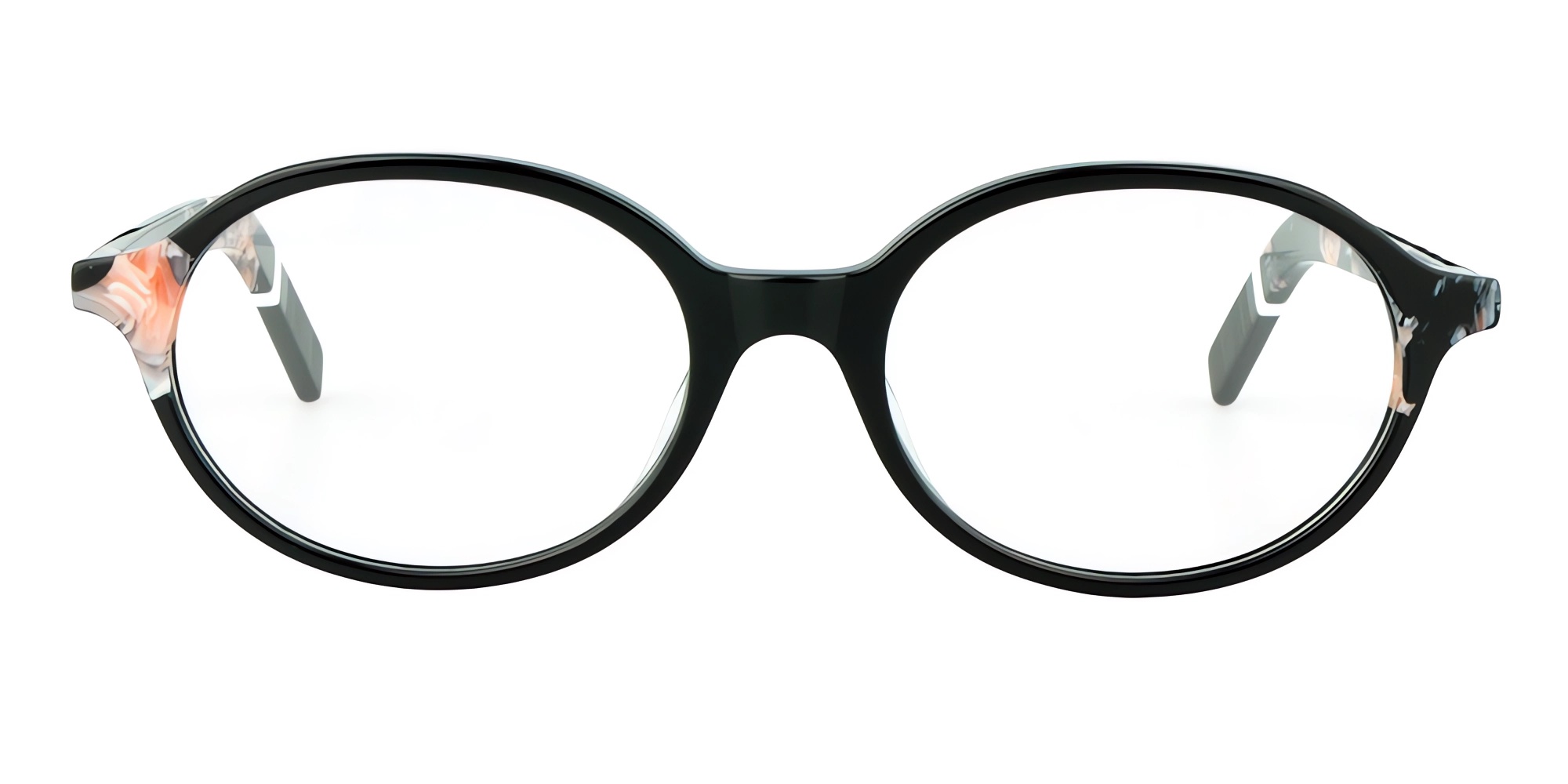
How to Build a Profitable Sunglasses Collection: From Budget to Premium Tiers
October 02, 2026
Sunglasses is the category where brands most often bet the whole collection on a single price point — and where that bet most often kills the profit. A collection priced entirely at the low end cannot fund the brand; a collection priced entirely at the high end cannot fill the pipeline. The collections that make money year after year are not one price line. They are a tiered structure, where each tier does a different job and the tiers feed each other.
This article breaks down how to build a profitable sunglasses collection from budget to premium tiers — the logic of each tier, how to tier the same design across price points, and what the factory must deliver to make all three tiers work.

Why Tiering Is the Core of Sunglasses Profitability
A single-price-point collection dies in one of three ways:
All budget: the volume is there, but the margin is too thin to fund design, marketing, certification, or growth — and the brand stays invisible.
All mid-range: the product is decent, but nothing anchors the brand — no value entry point for new customers, no halo product for aspirational ones.
All premium: the brand image is strong, but the sales cycle is slow, the inventory risk is high, and the pipeline dries up between big orders.
A tiered collection solves all three at once, because each tier has a different job:
The budget tier acquires customers. It gives retailers a value entry point and gives the brand volume and market reach. It is the traffic.
The mid tier makes the margin. It carries the main commercial weight: mainstream optical quality, trend-aware design, dependable repeat orders. It is the profit engine.
The premium tier builds the brand. It sets the quality anchor and the price anchor, pulls the whole collection upward, and creates the aspirational reason to buy. It is the identity.
The three tiers are not three products. They are one system: the budget tier feeds the funnel, the mid tier pays the bills, and the premium tier raises the ceiling on everything below it.
Three Tiers, Three Different Jobs
The Budget Tier — Volume and Customer Acquisition
The budget tier is the entry price band of the collection — typically wholesale around $10–25 depending on market and channel. Its job is not to maximize margin; its job is to maximize turnover and reach.
The product logic is different from every other tier:
Manufacturing process over material story. Injection-molded frames and PC lenses keep cost predictable and production fast. The story is not premium material — it is reliable quality at an accessible price.
Simplified structure. Fewer parts, simpler hinges, standard temple curves. Every structural simplification is a cost removed and a consistency risk removed.
Fast reorder cycles. The budget tier wins on speed: short lead times, quick replenishment, high stock-turn. A budget frame that sells out and cannot be reordered fast is a missed margin machine.
Disciplined SKU control. A few strong shapes in the proven colors — not many weak ones. The budget tier is where SKU sprawl kills profit fastest.
One line that is non-negotiable at the budget tier: UV protection. UV400 lens certification is not a premium feature; it is a legal and safety baseline in most markets. Saving a cent on the lens coating and losing certification is how a budget line destroys the brand it is supposed to feed.
The Mid Tier — Margin and Repeat Orders
The mid tier — typically wholesale $25–60 — is where most of the collection's profit is made, and where most brands under-invest.
This tier carries the mainstream commercial standard:
Real optical materials. CR-39 or nylon lenses, metal or well-made acetate frames — the quality that an optical retailer can stand behind and an end customer can feel.
Certified protection. UV400, full compliance documentation, and impact-grade lenses where the channel requires them. This is the tier where certification is a sales argument, not a checkbox.
Trend-aware but wearable design. The mid tier follows the trend cycle one step behind the premium tier: the shapes and colors that are ascending, not experimental. It is where the trend strategy from the color question framework gets commercialized.
Dependable repeat orders. The mid tier is what retailers reorder season after season. Consistent quality and locked color formulas are what keep the reorders coming.
The mid tier is the collection's profit engine because it combines three things the other tiers lack: volume worth having, margin worth keeping, and reorder behavior worth building on.
The Premium Tier — Brand and Differentiation
The premium tier — typically wholesale $60 and above — is the smallest tier by volume and the largest by influence.
Its job is to define what the brand means:
Materials that justify the price. Titanium and beta-titanium, high-grade acetate, premium plating and PVD finishes. The material is the argument.
Lens technology as the story. Polarized and gradient lenses, mirror and color-enhancing coatings — functionality that the lower tiers cannot offer at their cost structure.
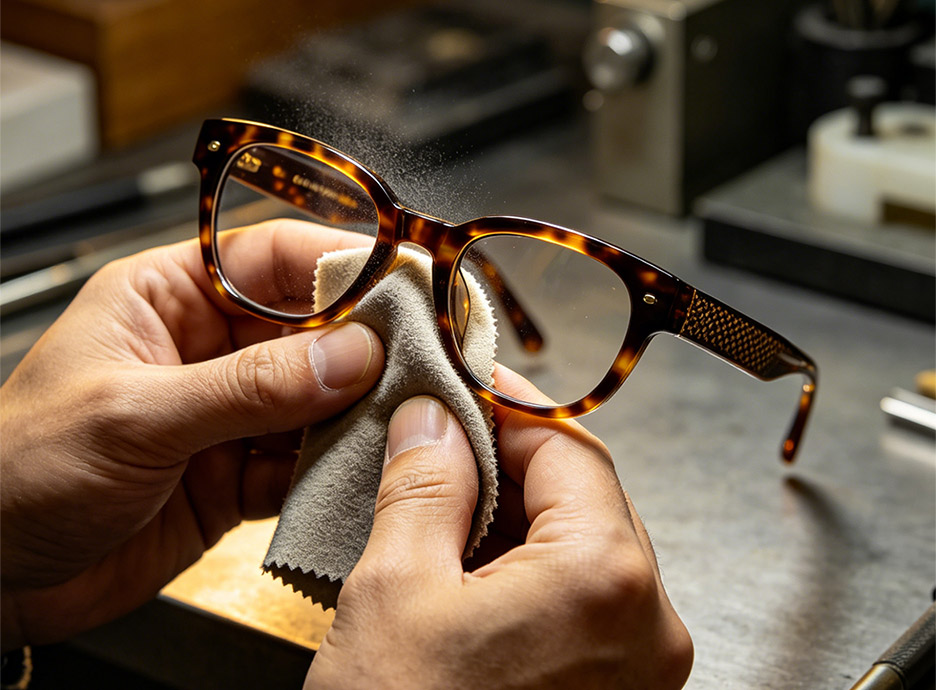
Craft details customers can feel. Hand-polished edges, precise hinge action, balanced weight distribution. These are the details from the "premium feel" conversation, and they are what separate a $60 frame from a $150 frame.
The unboxing. Premium packaging, certificates, and presentation are part of the product at this tier — they set the expectation before the glasses are even tried on.
Limited colorways and small batches. Scarcity is a tool at the premium tier: signature colors, numbered editions, capsule collections that protect the price anchor.
The premium tier rarely carries the collection's volume. It carries the collection's permission to charge more everywhere else. A brand without a premium tier is a brand with a ceiling; a brand with one raises the perceived value of everything below it.
Design Tiering: One Silhouette, Three Price Points
The most efficient way to build a tiered collection is not three unrelated product lines. It is one design language, executed at three material and process levels.
The same silhouette — say, a classic wayfarer or an oversized square — can be produced as:
An injection-molded version with PC lenses → the budget tier;
A cell-acetate version with CR-39 lenses → the mid tier;
A titanium or premium acetate version with polarized lenses and PVD hardware → the premium tier.
This is design tiering, and it multiplies the value of every design investment:
One design, three placements. The silhouette earns shelf space in three price bands instead of one.
Shared tooling and testing where possible. The design geometry is developed once; materials and processes do the price differentiation.
A built-in upgrade path. A customer who buys the budget version and loves the fit can be traded up to the mid and premium versions — the collection sells the upgrade, not just the product.
Coherent brand identity. Unlike three unrelated lines, a tiered silhouette family keeps the brand recognizable across all price points.
Design tiering is the bridge between "we make cheap glasses" and "we make expensive glasses": the same brand, the same shapes, three honest levels of material and finish — each with a price that the market accepts because the difference is visible and felt.
The Profit Stack: How the Tiers Work Together
A common structure for a profitable tiered collection follows a volume-profit inversion. By units, the collection might be roughly 70% budget, 20% mid, 10% premium. By profit contribution, the proportions often invert — the mid tier carries the weight, and the premium tier delivers the highest per-unit margin.
The exact ratio depends on channel and market, but the discipline is universal: manage the tiers as a stack, not as separate products.
By SKU count: keep the budget tier tight (few shapes, proven colors), give the mid tier the range, and keep the premium tier deliberately small. SKU sprawl at the wrong tier is where margin leaks.
By sell-through: if the budget tier is overstocked and the mid tier is under-stocked, the stack is misbalanced — volume is not the goal, balanced sell-through is.
By repeat rate: the mid and premium tiers should show healthy reorder behavior; the budget tier should show fast turnover. Track both and adjust the mix by evidence, not by opinion.
By margin stability: premium frames should defend their price anchor (no habitual discounting), while budget frames can be promoted freely — they are the traffic, not the brand.
The profit stack is managed with the same data discipline as the evergreen collection framework: sell-through, repeat rate, and margin per tier, reviewed per season, and adjusted by what the numbers say.
What the Factory Must Deliver Across All Three Tiers
A tiered collection is only as real as the factory's ability to execute all three levels — which is why the manufacturing partner matters more than the number of SKUs. Three commitments make the tiered model work:
One quality line, three material levels. The budget tier must not mean sloppy work. Same QC discipline, same traceability, same attention to the parts that matter — only the materials and processes differ. A factory that treats the budget tier as "the loose tier" quietly destroys the brand's quality promise at its most visible point of entry.
Certification and documentation for every tier. CE, UV400, and impact testing where required — not just for the premium line. The mid tier especially needs complete compliance documents, because that is where the optical channel buyers check them.
Locked materials, colors, and processes. A tiered collection depends on reorders: the budget frame must come back the same, the premium color must not drift. Locked formulas, physical color chips, and retained tooling and molds are what make tiers reorderable.
Transparent cost engineering. The factory should be able to show exactly where each tier's cost sits — material, process, finishing — so the brand can set prices with evidence, not guesses. This is the difference between a price list and a profit plan.
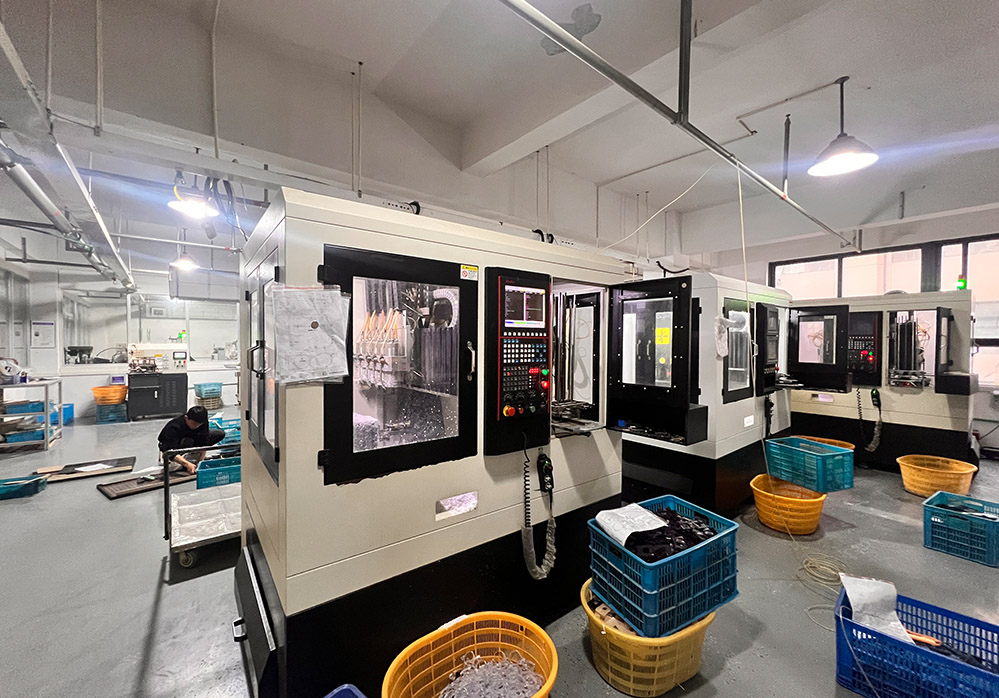
As a professional eyewear factory with over 18 years of manufacturing experience, we build tiered sunglasses collections with exactly this logic: one design language executed across injection molding, acetate, and titanium; certified UV400 protection at every level; locked material and color formulas; and transparent cost engineering that lets brands price each tier with confidence. We have seen the collections that win — they are not the ones with the widest range, but the ones where every tier has a job, a margin, and a place in the same system.
Conclusion: A Collection Is a System, Not a Price Line
A profitable sunglasses collection is not a single price point done well. It is a tiered system: the budget tier acquires customers, the mid tier makes the margin, and the premium tier builds the brand. Design tiering lets one silhouette family serve all three price bands. The profit stack lets data balance the mix. And the factory makes it real — with one quality line, full certification, locked consistency, and honest cost engineering. Brands that build sunglasses as a system tend to find that the collection sells itself — tier by tier, season after season.
NEXT: Glasses for Wide Faces: Finding the Perfect Fit and Style
PREV: End