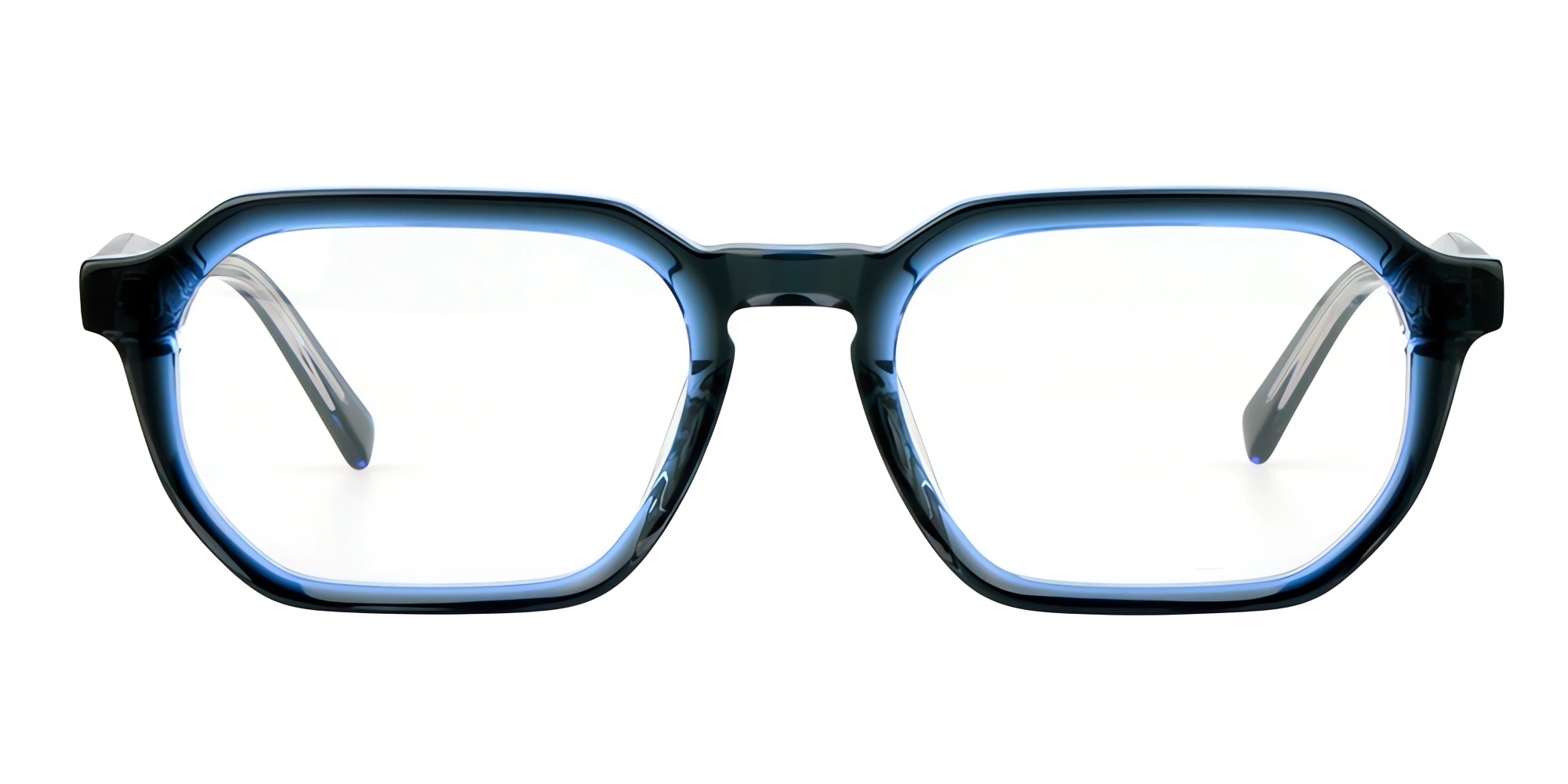
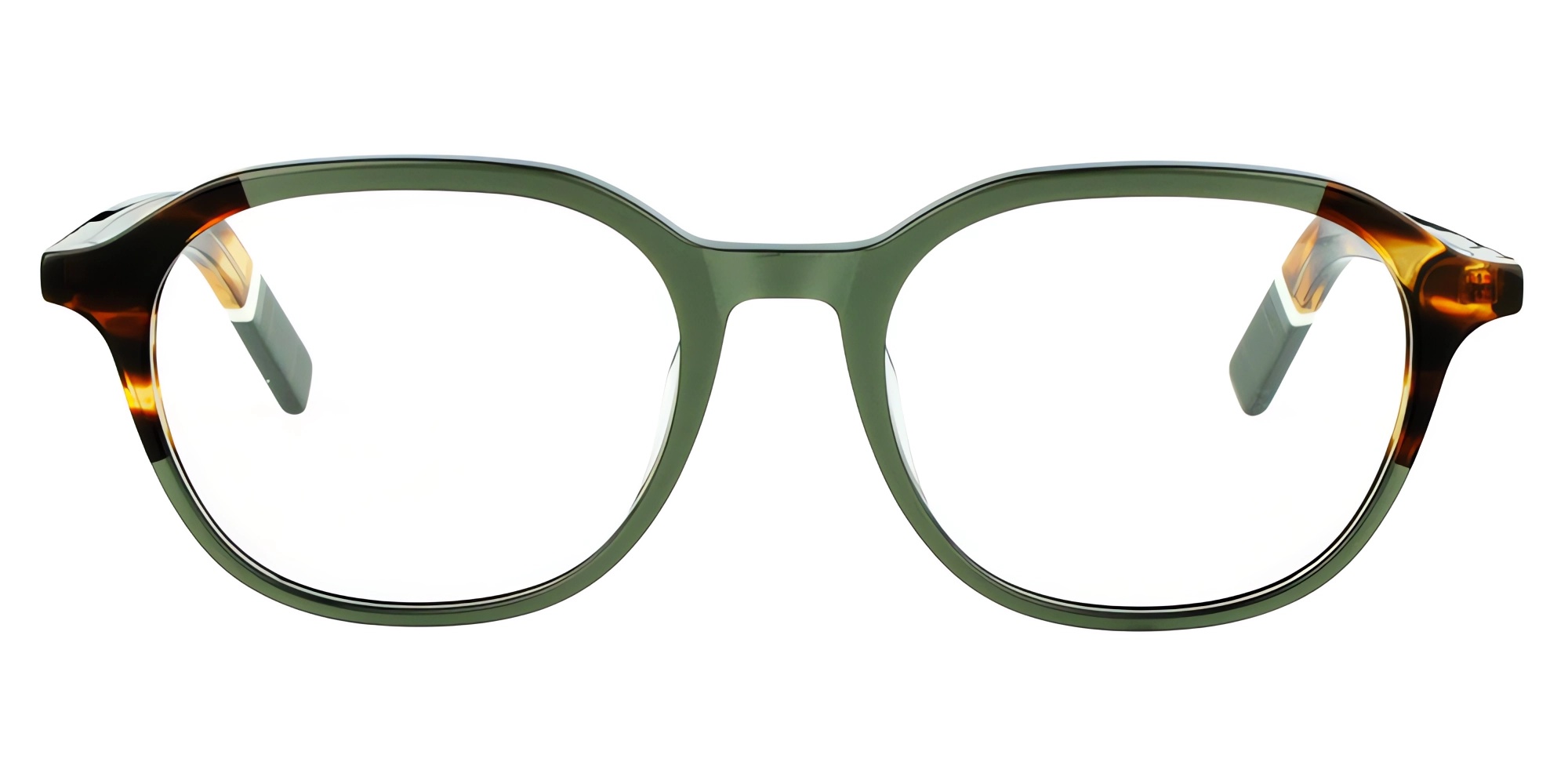
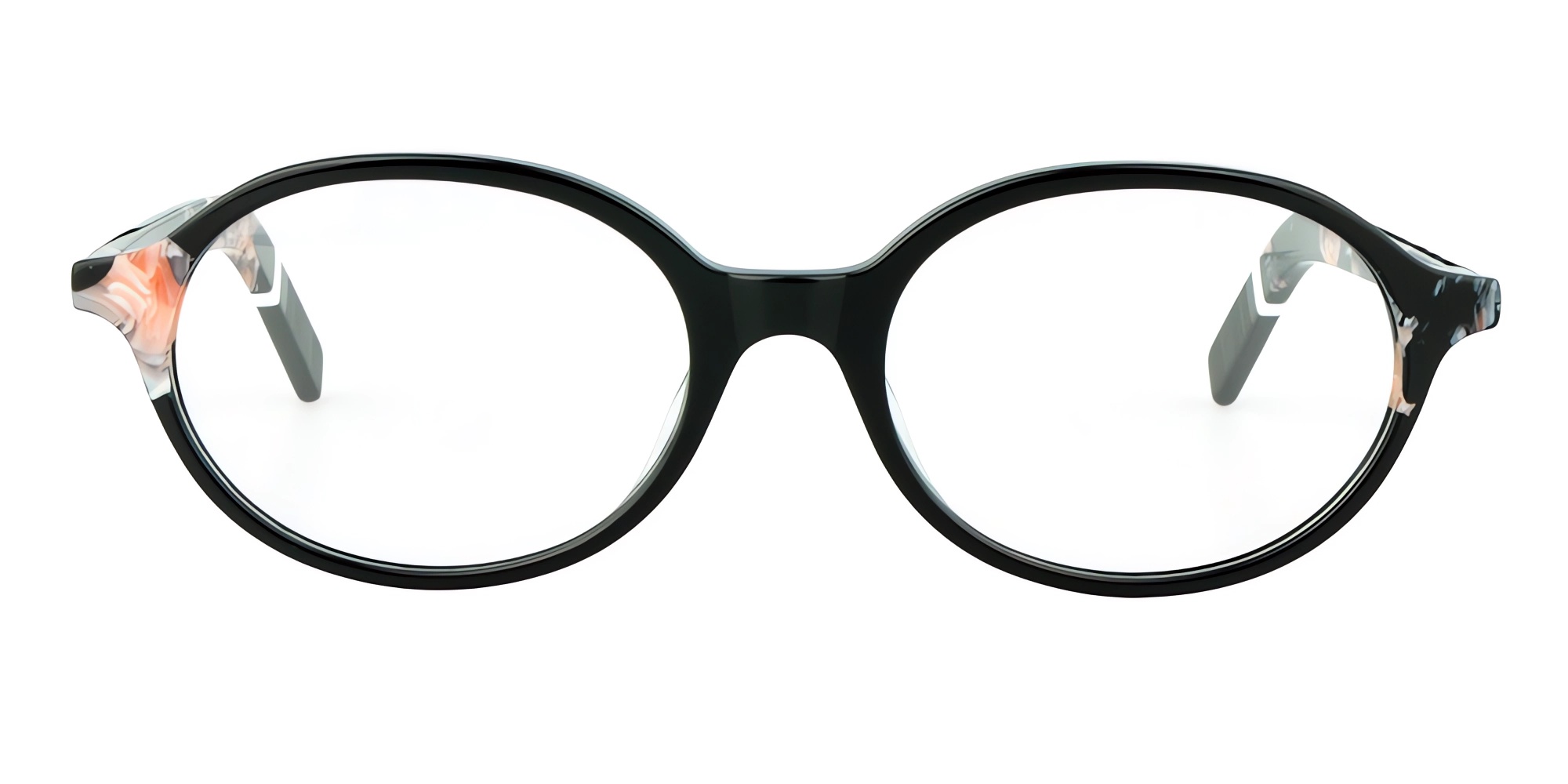
Why Eyewear Sampling Takes Longer Than Most Brands Expect
May 28, 2026
One of the most common questions we hear from new eyewear brands is:
“Why does eyewear sampling take so long?”
From the outside, eyewear may look simple. A frame, two temples, a few screws, some lenses — how complicated could it be?
But anyone who has actually developed eyewear products knows the truth:
sampling is often the longest and most demanding part of the entire project.
For most metal and acetate eyewear projects, a standard sampling timeline is usually around 40 days. In some cases, especially for injection eyewear using 3D printing technology, samples can be completed much faster.
And yet, many brands still feel that the waiting time is longer than expected.
The reason is simple:
Eyewear sampling is not just “making a sample.”
It is a process of communication, engineering, adjustment, validation, and refinement.
Let’s talk about what really happens behind the scenes.
1. The Communication Stage Often Takes Longer Than People Expect

Before production even begins, there is usually a long communication process.
This is especially common for:
newly established eyewear brands
fashion brands entering eyewear for the first time
startups still defining their identity
clients without technical eyewear experience
Many brands know the feeling they want, but not yet the exact structure they need.
For example:
Should the frame use acetate or injection?
Should the temples be thinner or thicker?
What hinge structure is suitable?
Will the frame fit Asian or European markets better?
Is the curve comfortable enough for long-term wear?
Sometimes a client sends only:
a mood board
runway references
a few Pinterest images
or even a rough hand sketch
And from there, the real development discussion begins.
Good sampling is rarely created in one conversation.
In reality, many projects require several rounds of communication before the actual structure becomes clear.
And honestly, this part is important.
Because unclear requirements at the beginning almost always lead to bigger problems later.
2. Unclear Requirements Usually Lead to Revisions Later
This is one of the biggest reasons eyewear sampling takes time.
At the sketch stage, many details are still abstract:
fitting comfort
frame weight
lens angle
temple pressure
hinge balance
nose fitting
visual proportions
Some issues only become obvious after the first physical sample is produced.
A frame that looks beautiful in a rendering may:
feel too heavy in reality
sit too low on the face
create pressure behind the ears
have temples that open too tightly
lose balance after assembly
This is why sampling is not just about appearance.
It is also about engineering validation.
Many brands discover new ideas only after holding the sample in their hands.
And once revisions begin, the timeline naturally extends.
3. Mold Development Takes Time
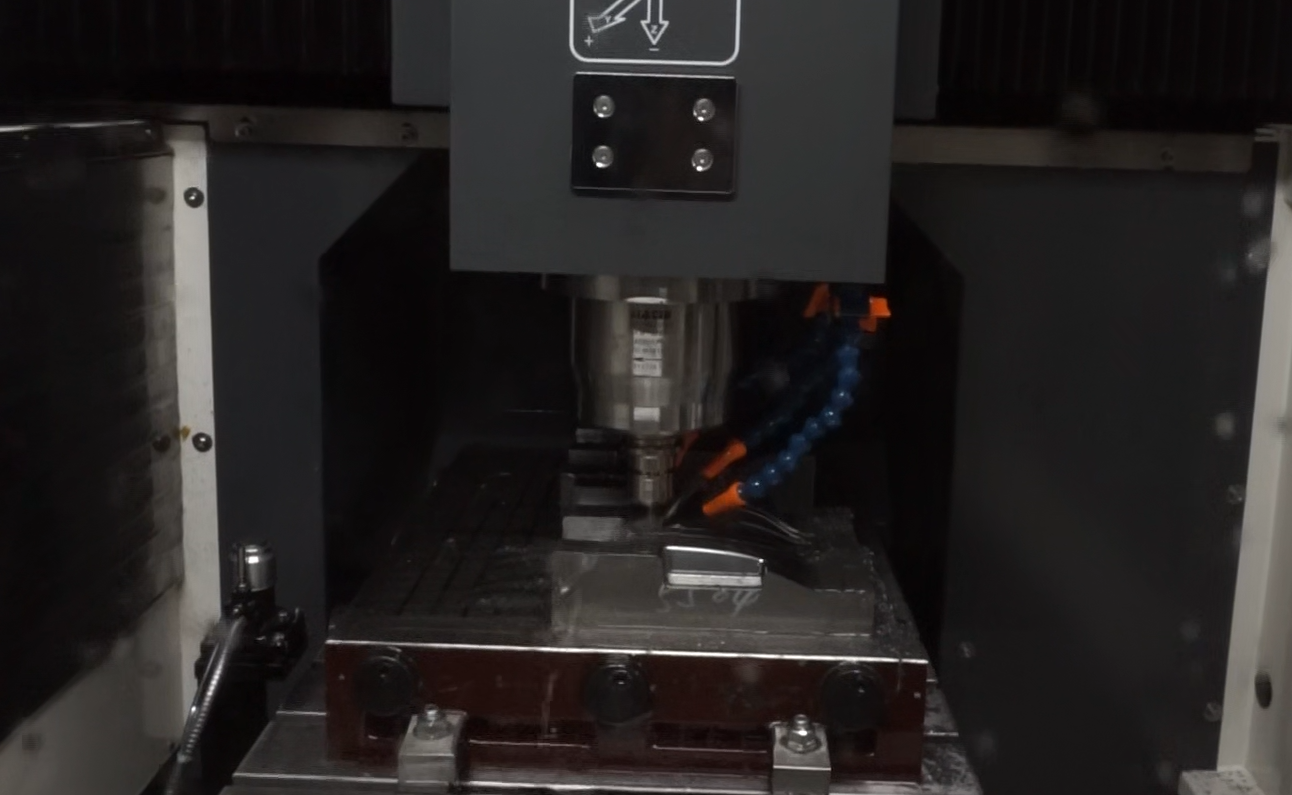
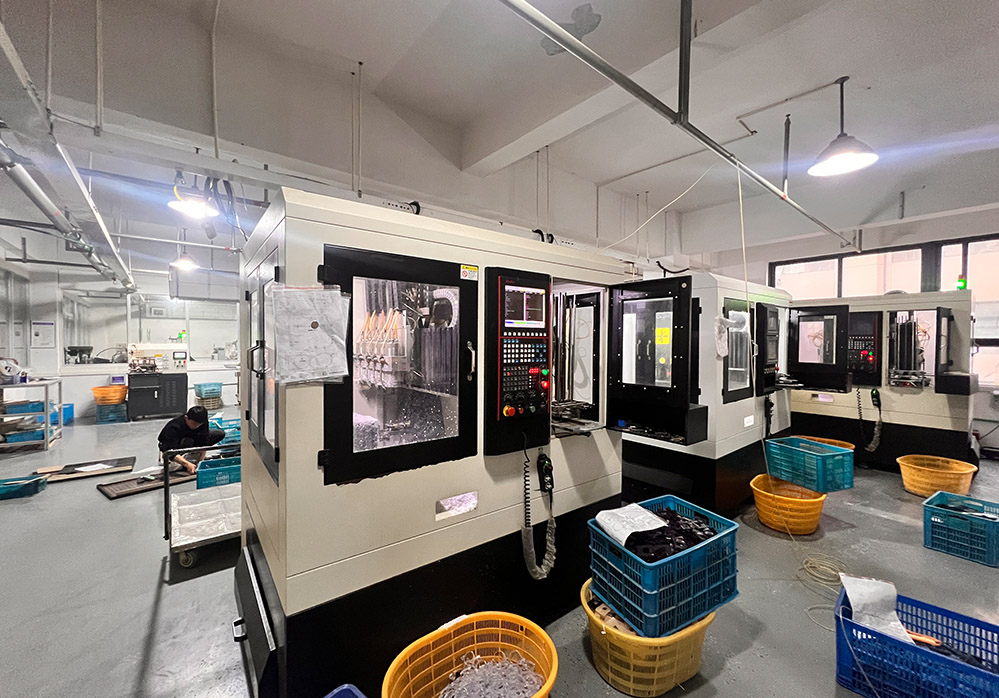
For completely new shapes or structures, molds are often required.
And mold development is rarely fast.
Depending on the complexity, mold production may take:
2 weeks
3 weeks
or sometimes over 1 month
Especially for:
complex acetate fronts
custom metal parts
unique temple structures
injection eyewear
integrated hinge systems
This is because molds are precision tools.
They need repeated:
CNC machining
fitting tests
polishing
engineering correction
assembly validation
before they are ready for actual production.
A good mold can determine:
fitting accuracy
production consistency
polishing quality
long-term durability
So rushing mold development often creates bigger problems later.
4. Clients Often Request Multiple Sample Revisions
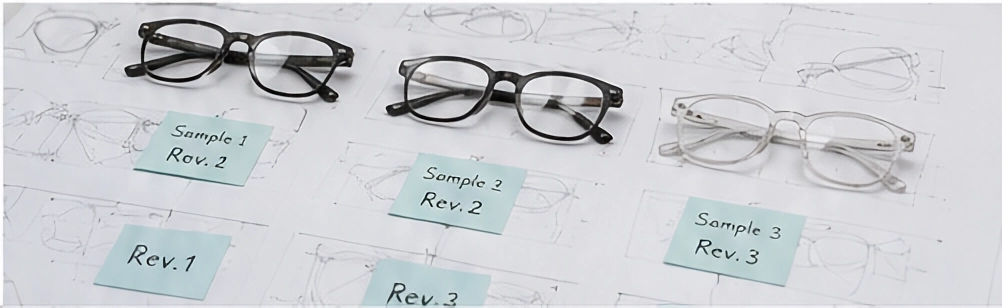
Even after the first sample is completed, the process is usually not finished.
In many cases, brands request:
shape adjustments
logo repositioning
temple thickness changes
color revisions
fitting improvements
hinge changes
polishing refinement
Some premium brands may go through:
two
three
or even more rounds of sampling
before approving the final version.
And honestly?
That is completely normal.
Because eyewear is a product that combines:
fashion
engineering
comfort
craftsmanship
and brand identity
A small change of just 1 mm can completely alter how a frame feels on the face.
Why 3D Printing Is Changing Part of the Industry
Today, 3D printing helps speed up certain types of sample development — especially for injection eyewear concepts.
Compared to traditional mold-based sampling, 3D printing can:
shorten development time
help validate shape quickly
reduce early-stage revision costs
However, 3D printing still cannot fully replace traditional sampling for:
surface finishing
polishing quality
production-level fitting
material feel
plating validation
So in many projects, it becomes a complementary tool rather than a complete replacement.
Sampling Is Expensive — Not Only in Cost, But in Time and Energy
Many people only look at the sample itself.
But behind one eyewear sample are often:
engineers
technicians
CNC operators
polishing workers
mold specialists
QC inspectors
assembly workers
And all of them may contribute to just one frame.
That is why eyewear sampling is never simply “making one piece.”
It is a process of solving problems before mass production begins.
And in reality:
the more serious the brand is about quality, the more carefully they usually treat sampling.
Why Early Planning Matters
Because sampling takes time, successful brands usually begin product development earlier than expected.
Especially before:
fashion weeks
trade shows
seasonal launches
Chinese New Year production periods
late development can easily affect:
launch timing
production scheduling
shipping deadlines
sales preparation
The brands that move fastest are often not the brands rushing production.
They are the brands who planned earlier.
How Bright Eyewear Supports Product Development
At Bright Eyewear, we work closely with brands during the entire sampling process.
Our support includes:
structure suggestions
material recommendations
engineering validation
fitting optimization
polishing guidance
production feasibility analysis
Because we believe a successful sample is not only about appearance.
It should also be:
wearable
manufacturable
commercially realistic
and scalable for production
Whether you are developing:
acetate eyewear
metal frames
sunglasses
or injection collections
our team is always ready to help turn ideas into real products.
Final Thought
Eyewear sampling takes longer than most brands expect because good eyewear takes time.
Behind every successful frame are:
conversations
adjustments
failed attempts
refinements
and countless small engineering decisions
The good news is:
when sampling is done properly, mass production becomes smoother, more stable, and far less risky.
So if your brand is planning a new eyewear collection, start early.
And if you need support along the way, feel free to talk with us.
Sometimes, a professional discussion at the beginning can save months of revisions later.