Eyewear Frame Shapes Explained: A Design Guide for Eyewear Brands and Product Developers
June 10, 2026
When most people think about eyewear design, they immediately think about colors.
Tortoise or black?
Gold or silver?
Transparent acetate or crystal gray?
But experienced eyewear designers know something different:
Before color comes shape.
Long before customers notice the acetate pattern, the plating color, or the temple decoration, they react to the silhouette of the frame.
The shape is what gives eyewear its personality.
It can feel intellectual or rebellious.
Minimalist or expressive.
Timeless or trend-driven.
For eyewear brands planning their next collection, understanding frame shapes is often more important than chasing the latest color trend.
Let's take a closer look at some of the most influential frame shapes in modern eyewear design.
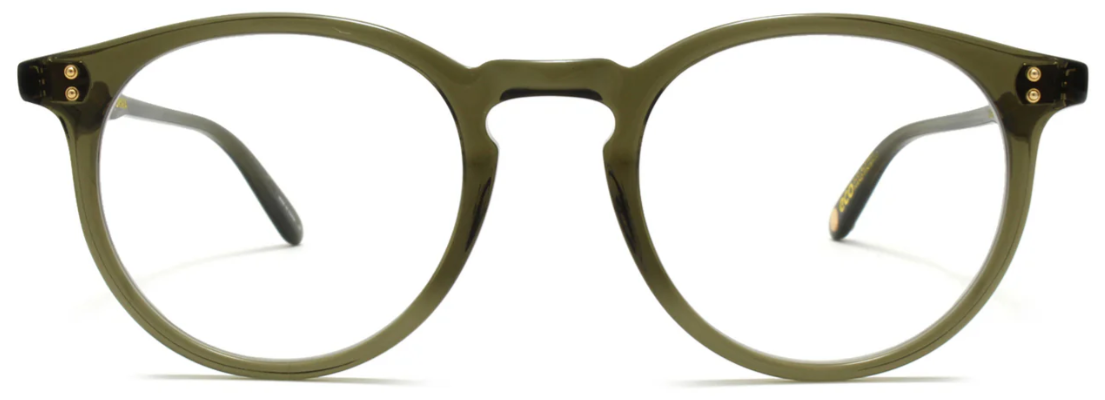
P3: The Quiet Classic
If round eyewear had a sophisticated cousin, it would be the P3.
Originally popularized in the mid-20th century, the P3 shape features:
- slightly wider width than height
- a subtly narrowed lower rim
- soft curves throughout
The result is a frame that feels intelligent, refined, and easy to wear.
Many premium independent eyewear brands continue to use the P3 shape because it rarely goes out of style.
For designers, it is one of the safest starting points when building a collection.
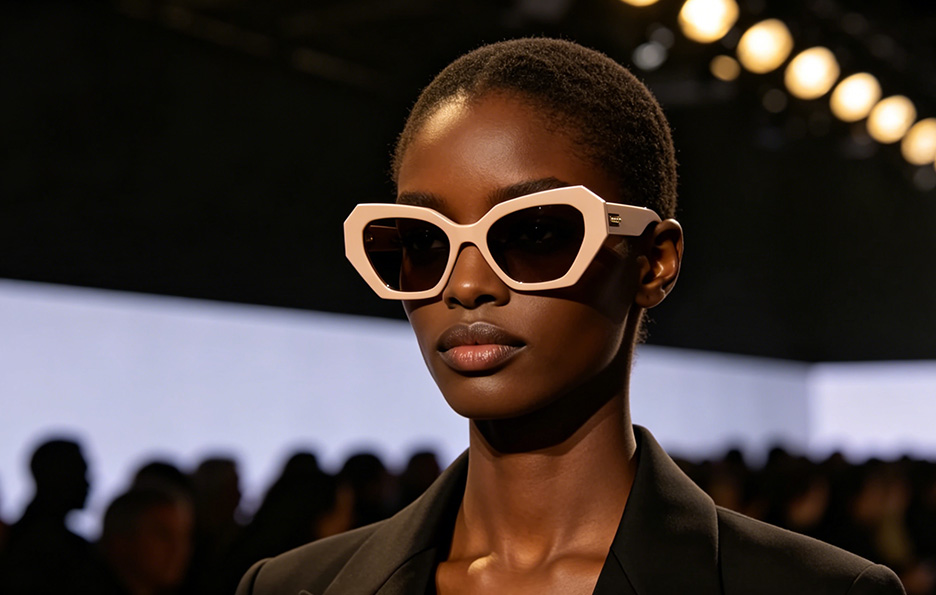
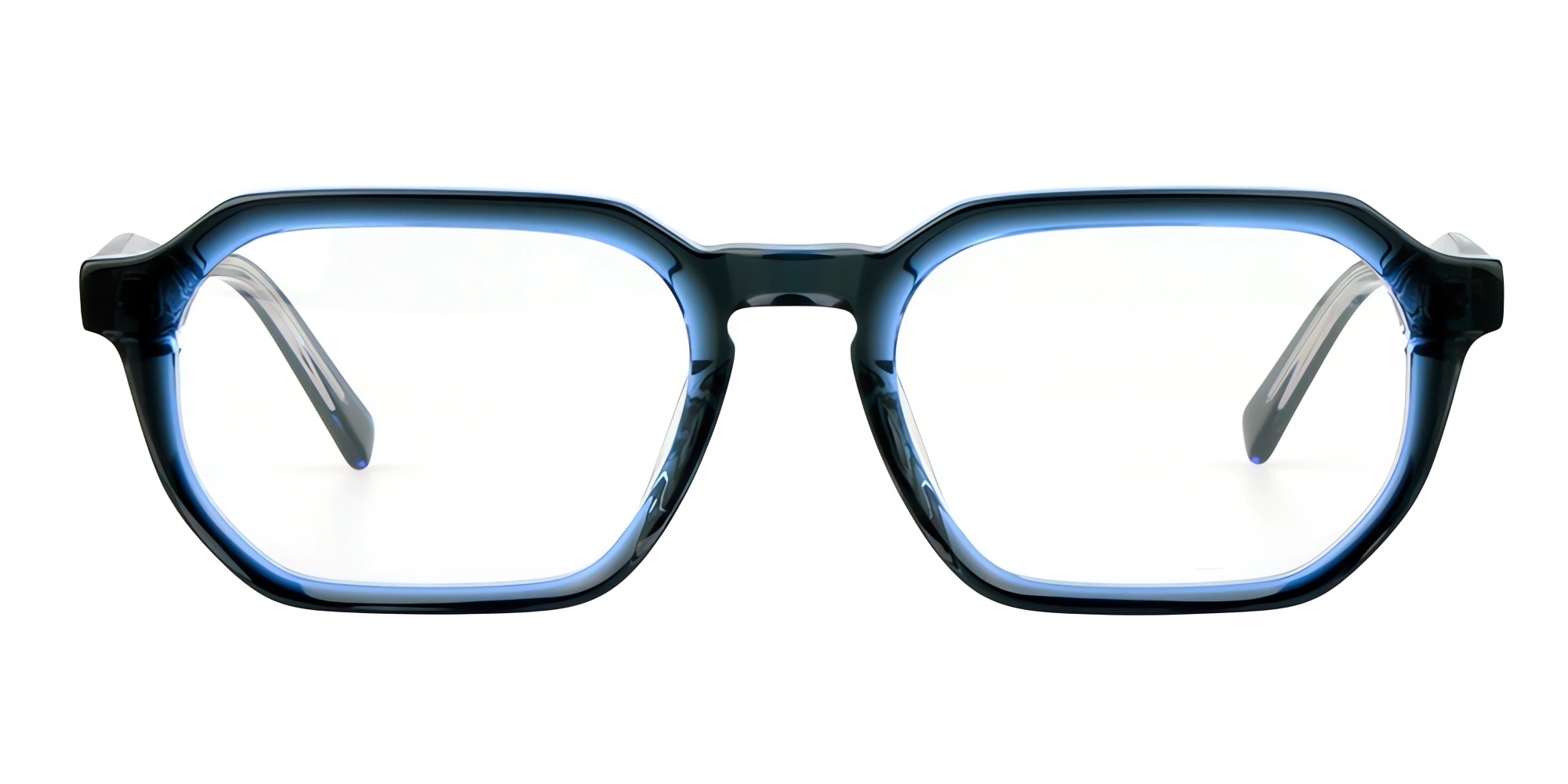
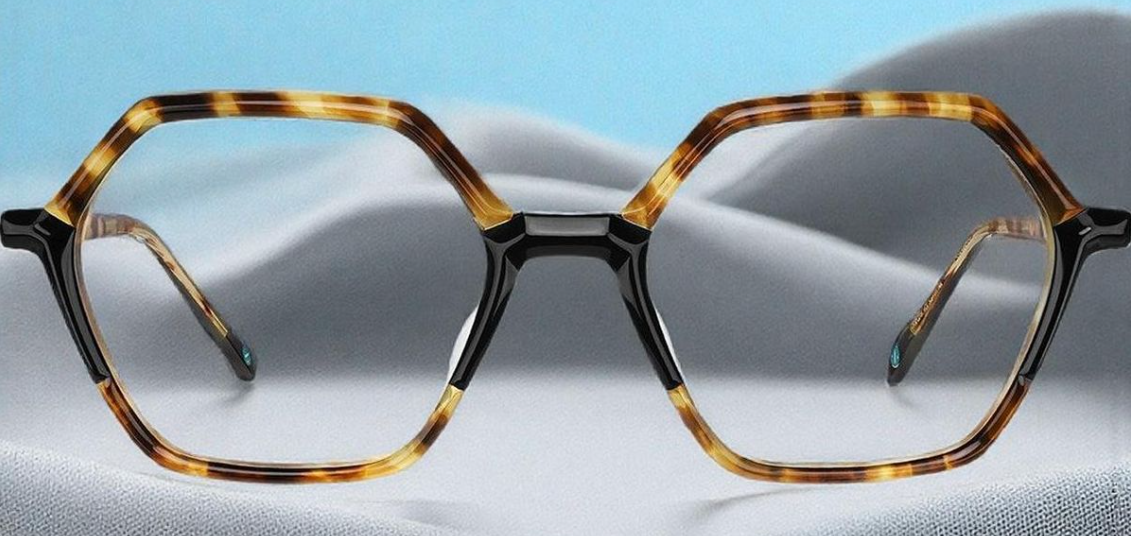
Geometric: Where Eyewear Meets Architecture
Geometric eyewear transforms glasses into wearable design objects.
Hexagons.
Octagons.
Angular rounds.
Unexpected cut lines.
These frames immediately attract attention because they challenge traditional proportions.
Interestingly, geometric shapes often work best when paired with restrained colors and minimal decoration.
The shape itself becomes the statement.
In recent years, geometric eyewear has become increasingly popular among consumers seeking individuality without excessive branding.
Aviator: The Eternal Icon
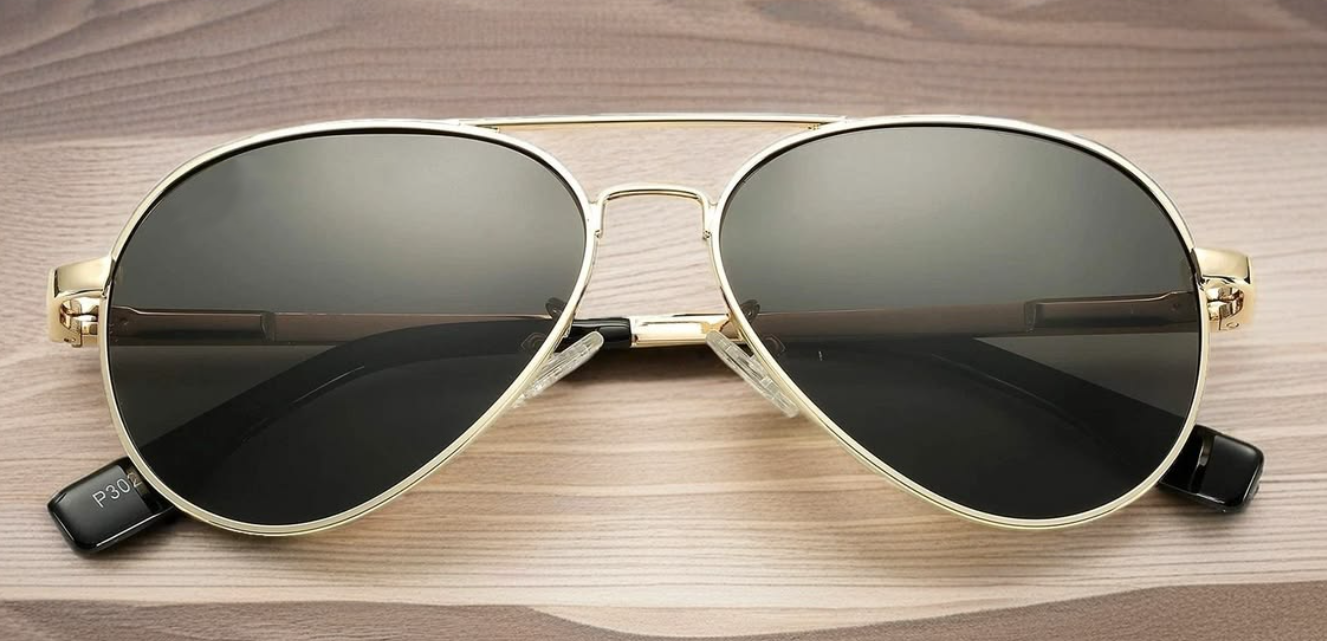
Few frame shapes are as recognizable as the Aviator.
Originally developed for pilots, the shape is characterized by:
- deeper lens height
- double bridge construction
- soft lower curves
- balanced proportions
What makes the Aviator unique is its ability to survive every fashion cycle.
It has been military.
It has been vintage.
It has been luxury.
It has been streetwear.
And somehow it always returns.
For brands, Aviators remain one of the most commercially reliable shape categories.
Navigator: The Modern Evolution
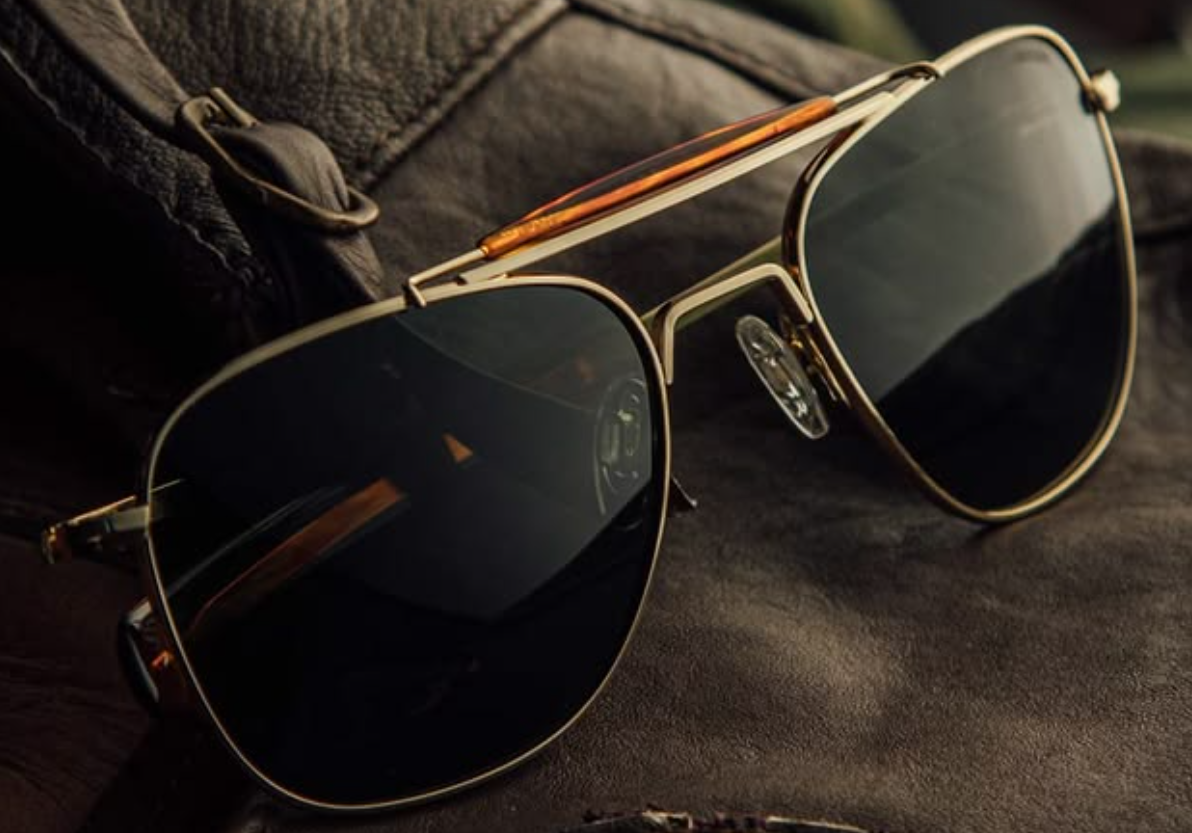
Think of the Navigator as the Aviator's sharper, more contemporary sibling.
Compared to a traditional Aviator:
- lens depth is reduced
- horizontal width increases
- lines become more angular
The result feels cleaner and more modern.
As eyewear trends continue moving toward structured silhouettes, Navigator frames have gained significant momentum in both optical and sunglass collections.
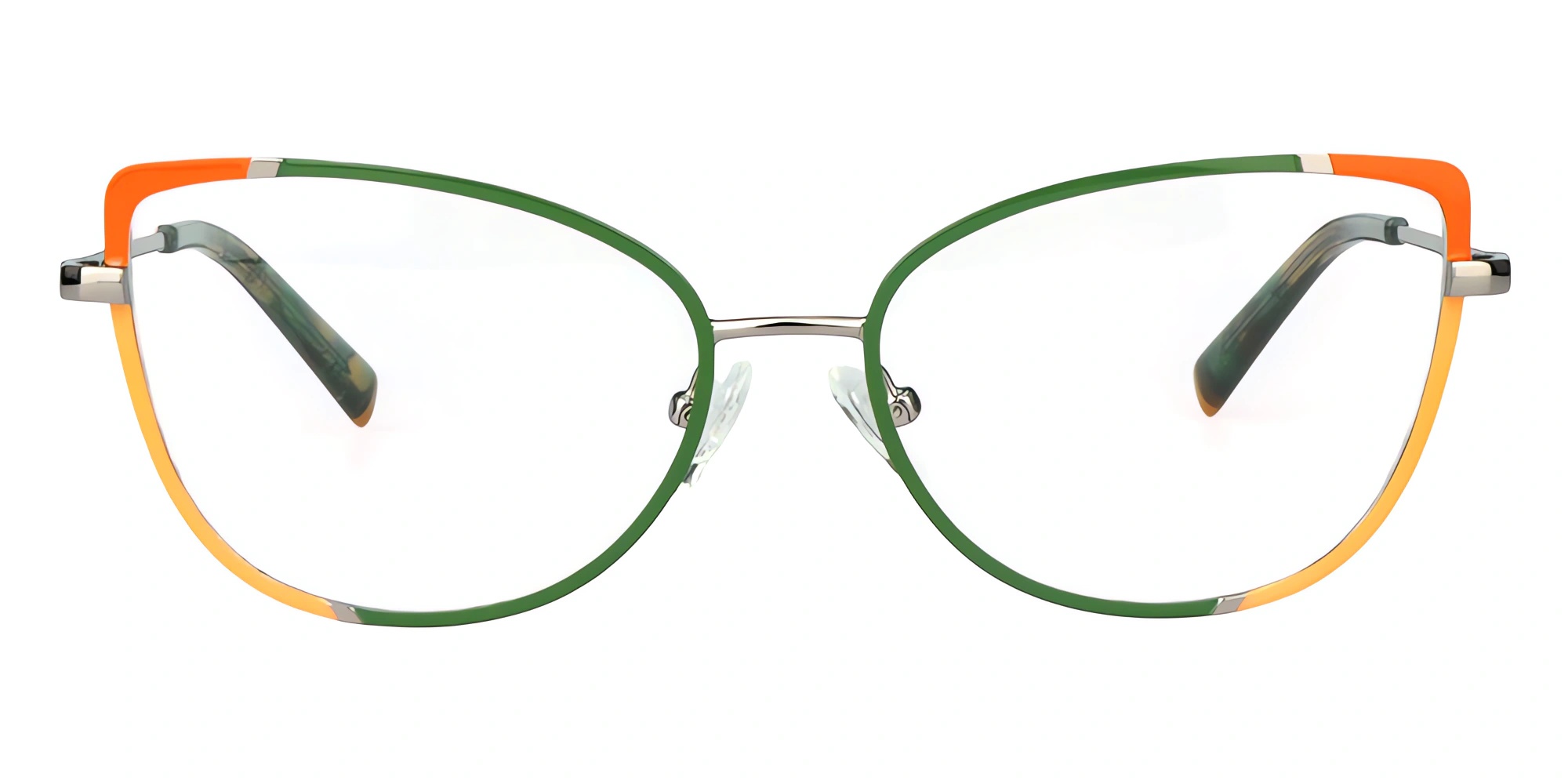
Cat Eye: Small Shape, Big Personality
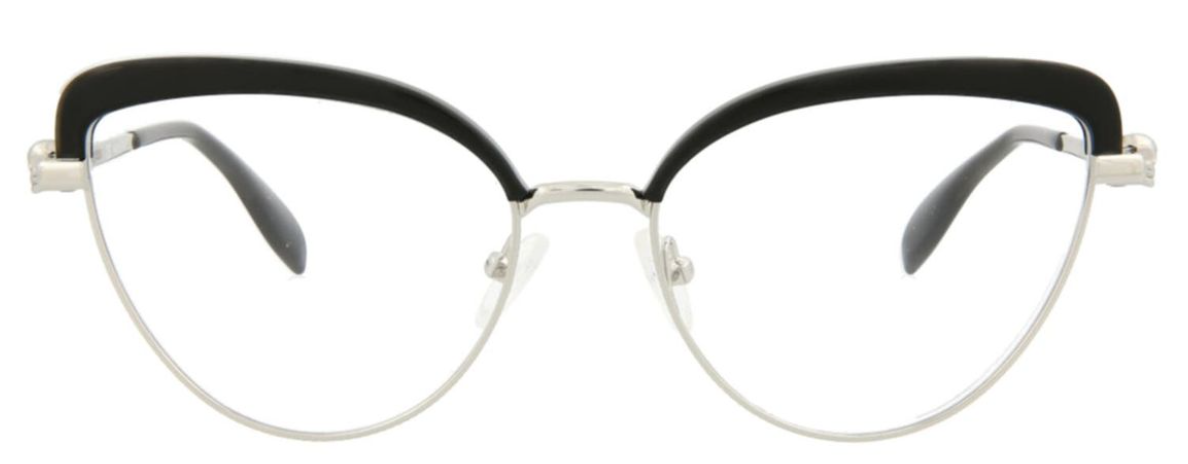
Few shapes communicate confidence as quickly as a Cat Eye.
The signature upward sweep creates an immediate visual impact.
Cat Eye frames have been reinvented countless times:
- vintage-inspired
- oversized
- minimalist
- geometric hybrids
Yet the essence remains the same:
confidence, elegance, and character.
For women's collections, Cat Eye continues to be one of the strongest shape categories globally.
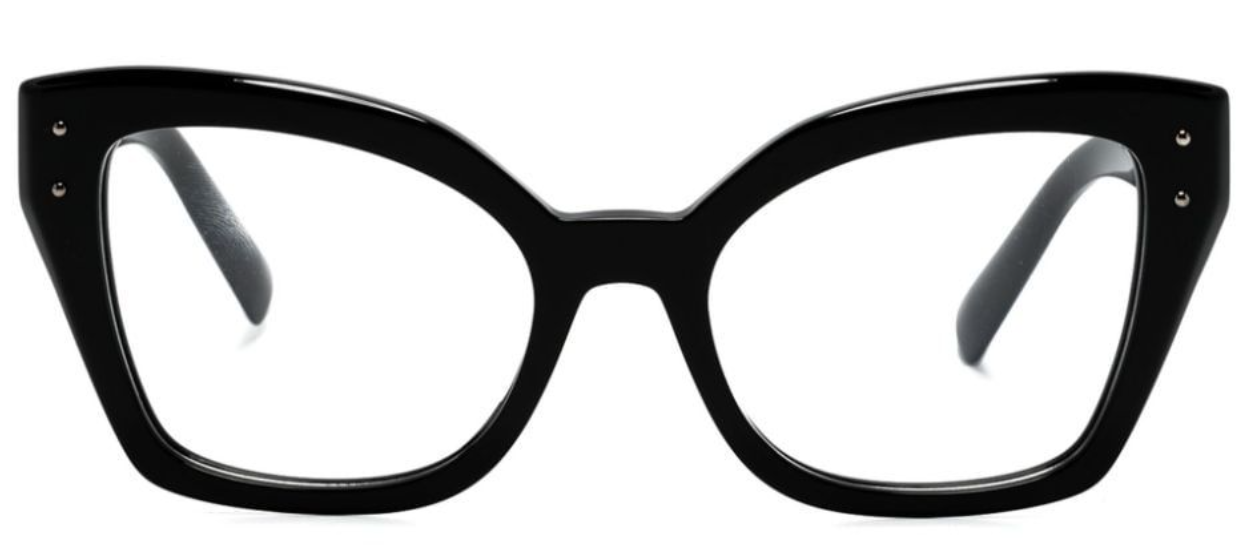
Butterfly: Softer, More Versatile
Butterfly frames evolved from Cat Eye designs but soften the dramatic corners.
The shape expands outward more evenly, creating a balanced wing-like silhouette.
Compared with Cat Eye:
- less aggressive
- more symmetrical
- easier to wear
This makes Butterfly shapes attractive for brands seeking feminine designs with broader commercial appeal.
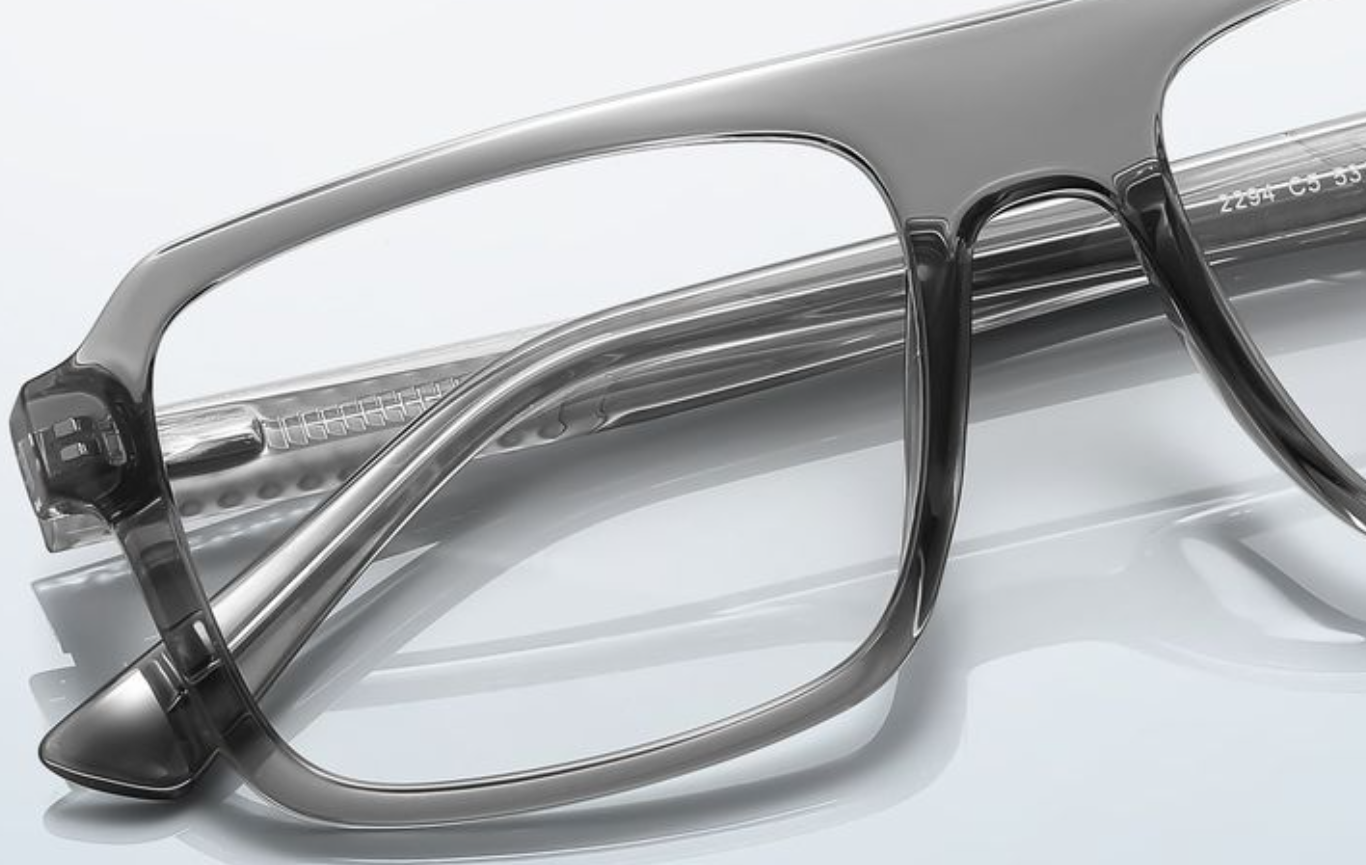
Rectangle: Structure and Precision
Rectangular eyewear is built around strong horizontal lines.
The significant difference between width and height creates a structured, confident appearance.
For decades, rectangular frames dominated men's eyewear.
Even today, they remain popular because they communicate:
- professionalism
- reliability
- confidence
Many business-focused optical collections still rely heavily on rectangular shapes.
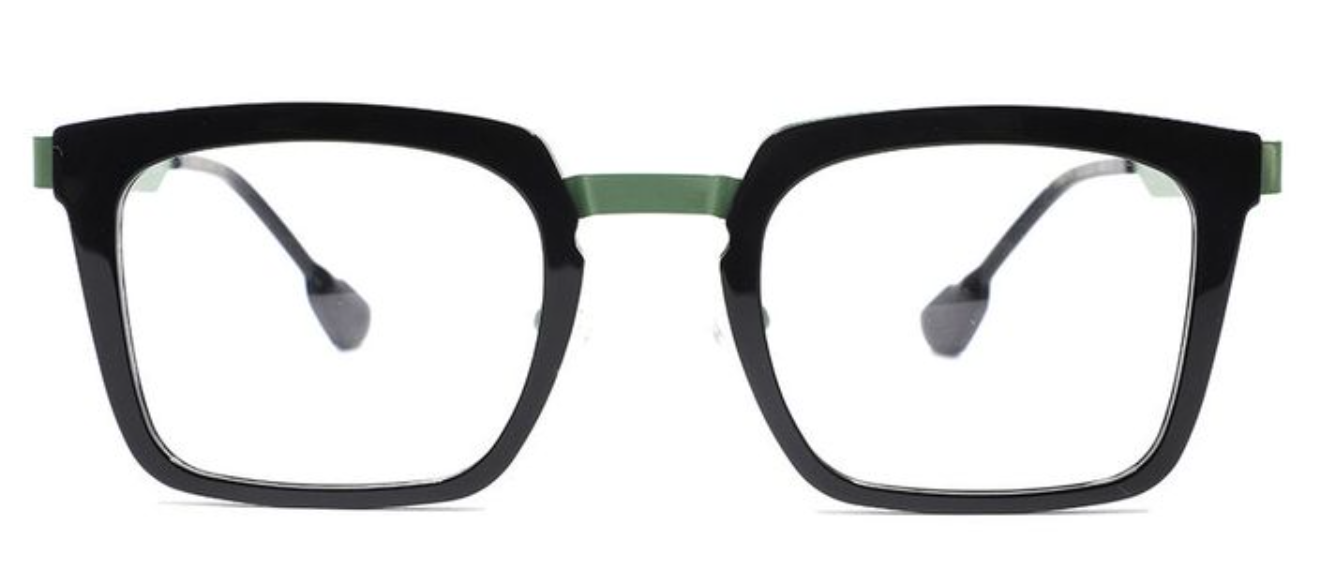
Square: The Balanced Alternative
Square frames share the structure of rectangular eyewear but with more balanced proportions.
They feel:
- strong
- stable
- approachable
If rectangles represent sharp confidence, squares often represent balanced confidence.
This versatility explains why square shapes continue appearing across nearly every market segment.
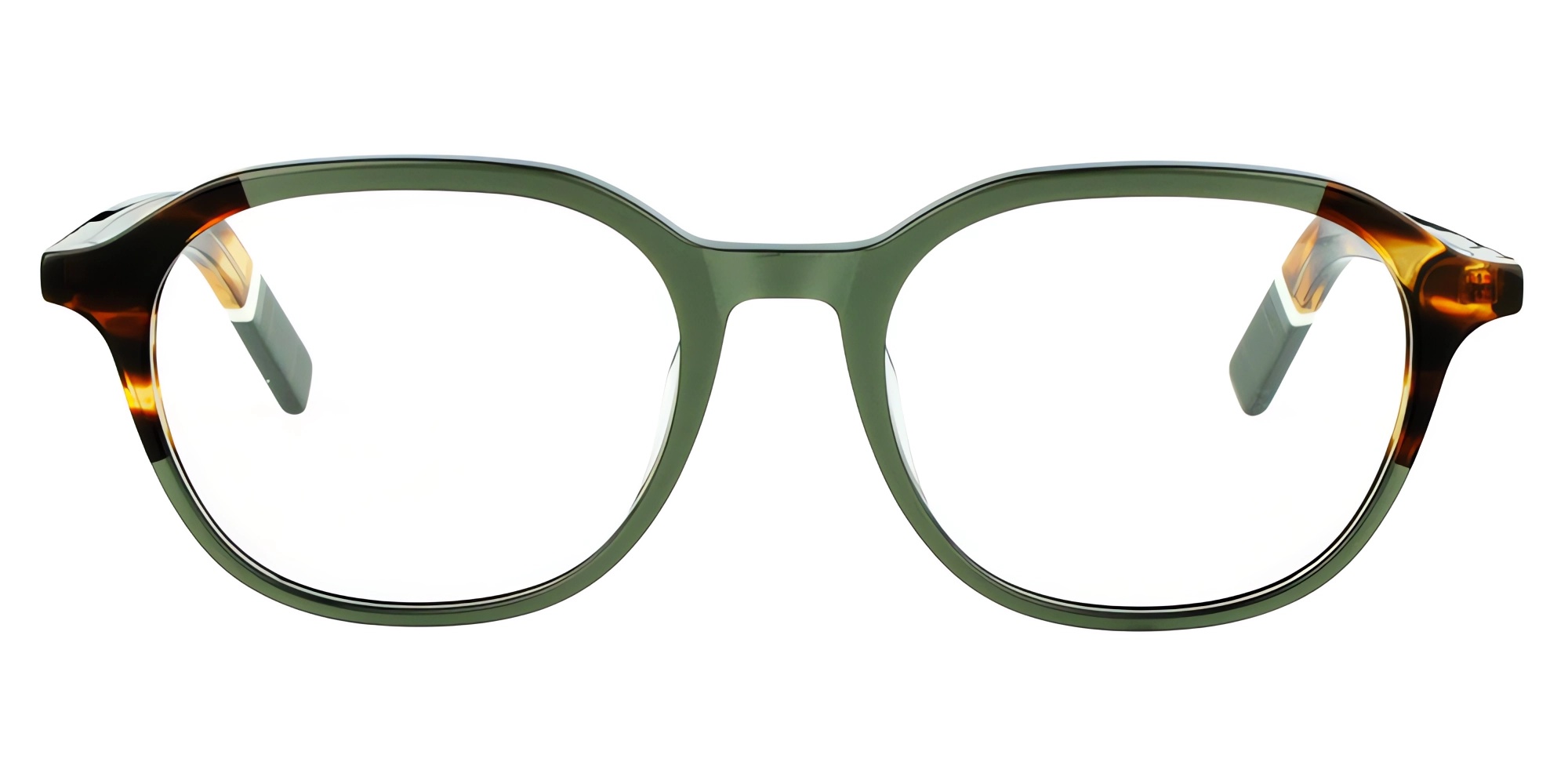
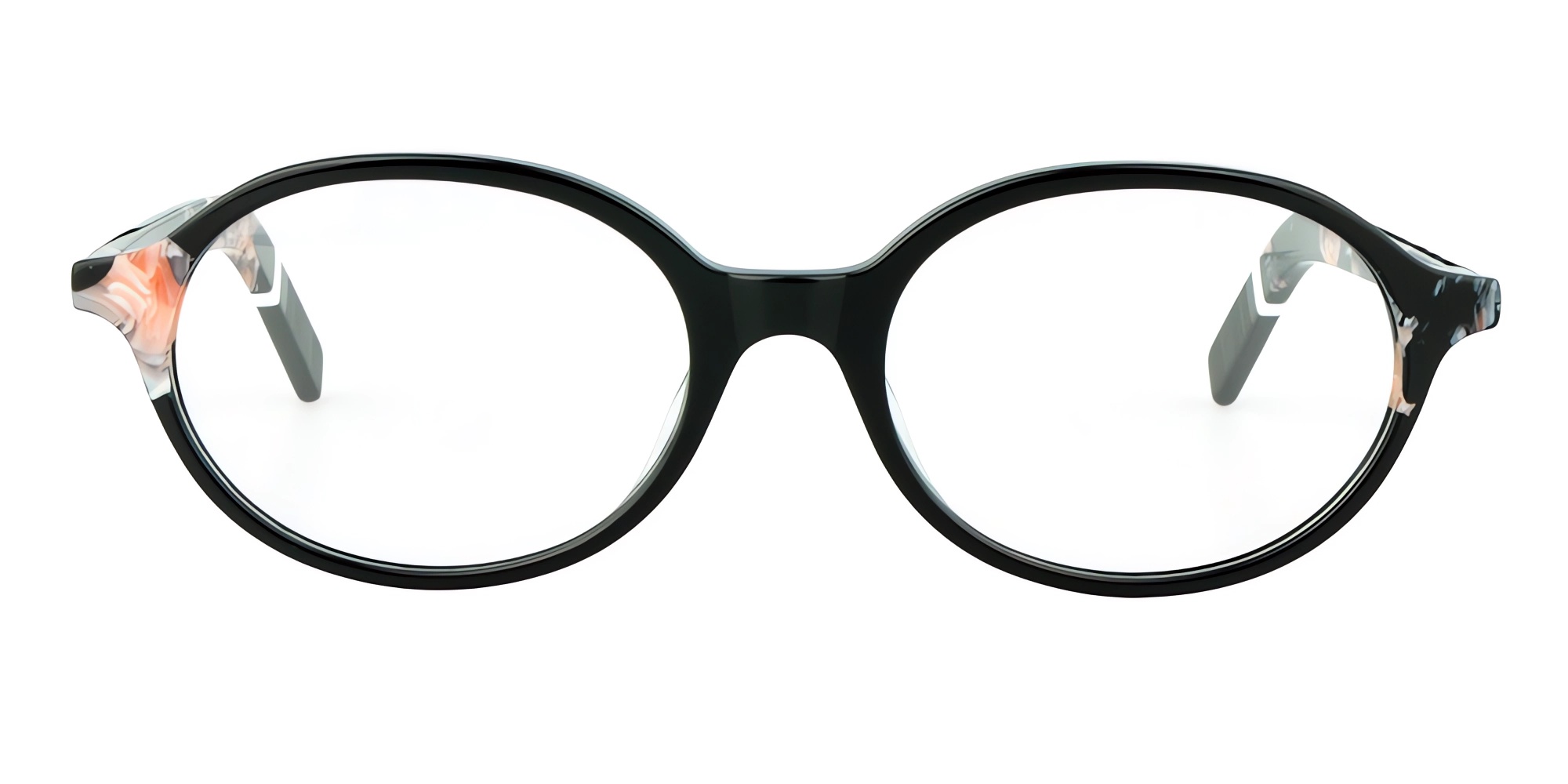
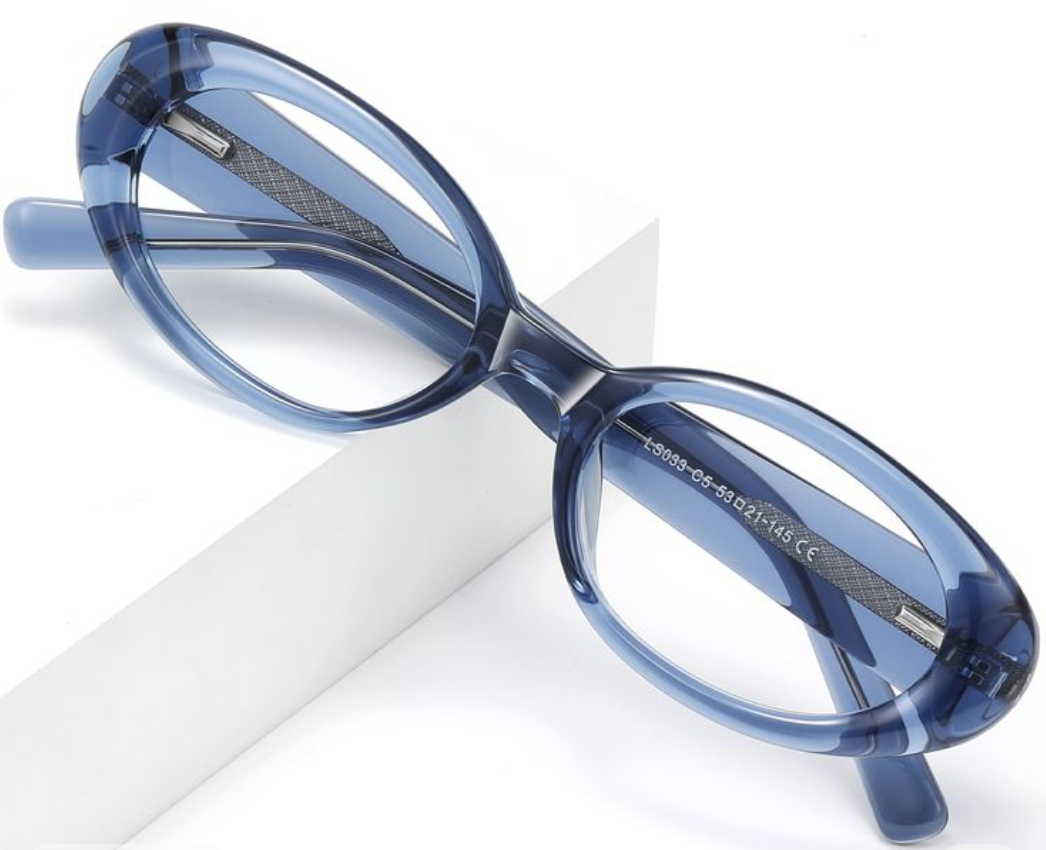
Oval: The Underestimated Shape
Oval eyewear rarely dominates trend reports.
Yet it consistently survives fashion cycles.
The reason is simple:
oval frames adapt.
In thin metal constructions, they feel subtle and intellectual.
In thick acetate, they become expressive and fashion-forward.
For designers, oval shapes provide enormous flexibility while maintaining broad market appeal.
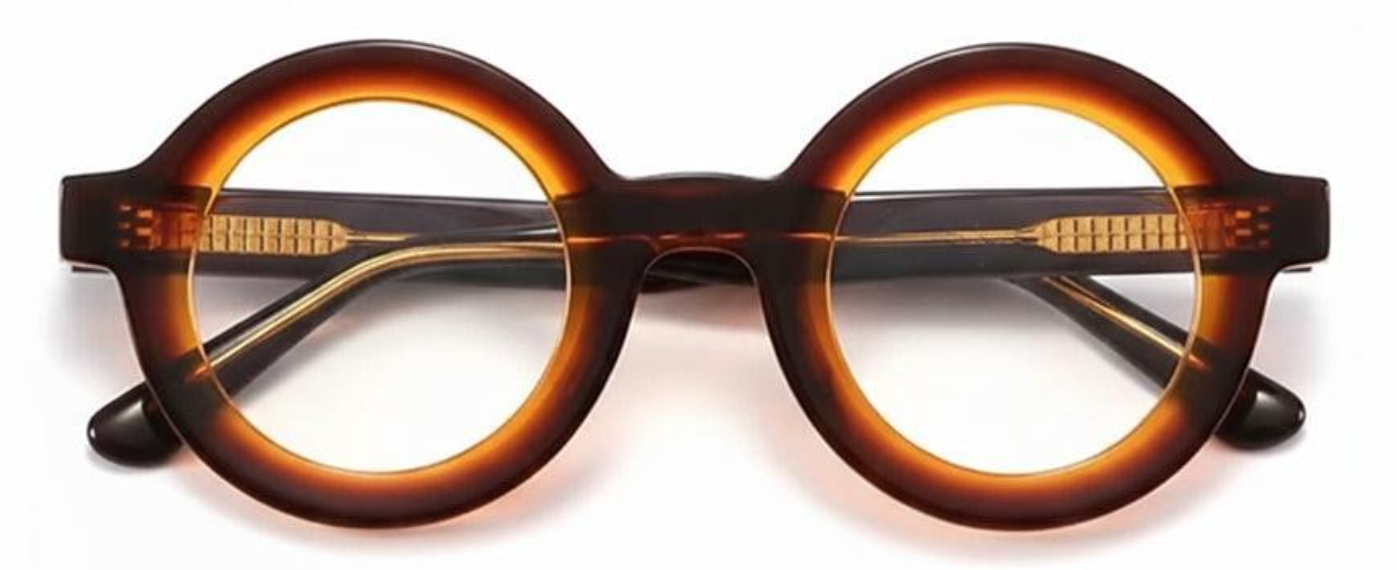
Round: The Purest Shape
Round frames may be one of the oldest eyewear shapes, yet they remain surprisingly modern.
Perfect symmetry creates a strong visual identity.
Depending on material choice, the same round shape can become:
- artistic
- academic
- minimalist
- avant-garde
Few frame shapes change personality as dramatically through material and construction choices.
A Simple Framework for Planning Collections
Over the years, many designers have discovered that frame shapes naturally fall into two visual families.
Short Shapes
- P3
- Navigator
- Cat Eye
- Rectangle
- Oval
Long Shapes
- Geometric
- Aviator
- Butterfly
- Square
- Round
This framework can simplify collection planning significantly.
Instead of developing ten unrelated shapes, brands can focus on balancing both visual directions.
Doing so often creates stronger collections and a clearer brand identity.
Shape First, Color Second
One of the biggest mistakes emerging eyewear brands make is jumping directly into color development.
Color matters.
But shape creates recognition.
A successful frame can be recolored season after season.
A weak shape rarely becomes successful regardless of color.
The strongest eyewear collections are usually built around:
- Shape
- Proportion
- Fit
- Material
- Color
In that order.
How Bright Eyewear Helps Brands Develop Better Collections
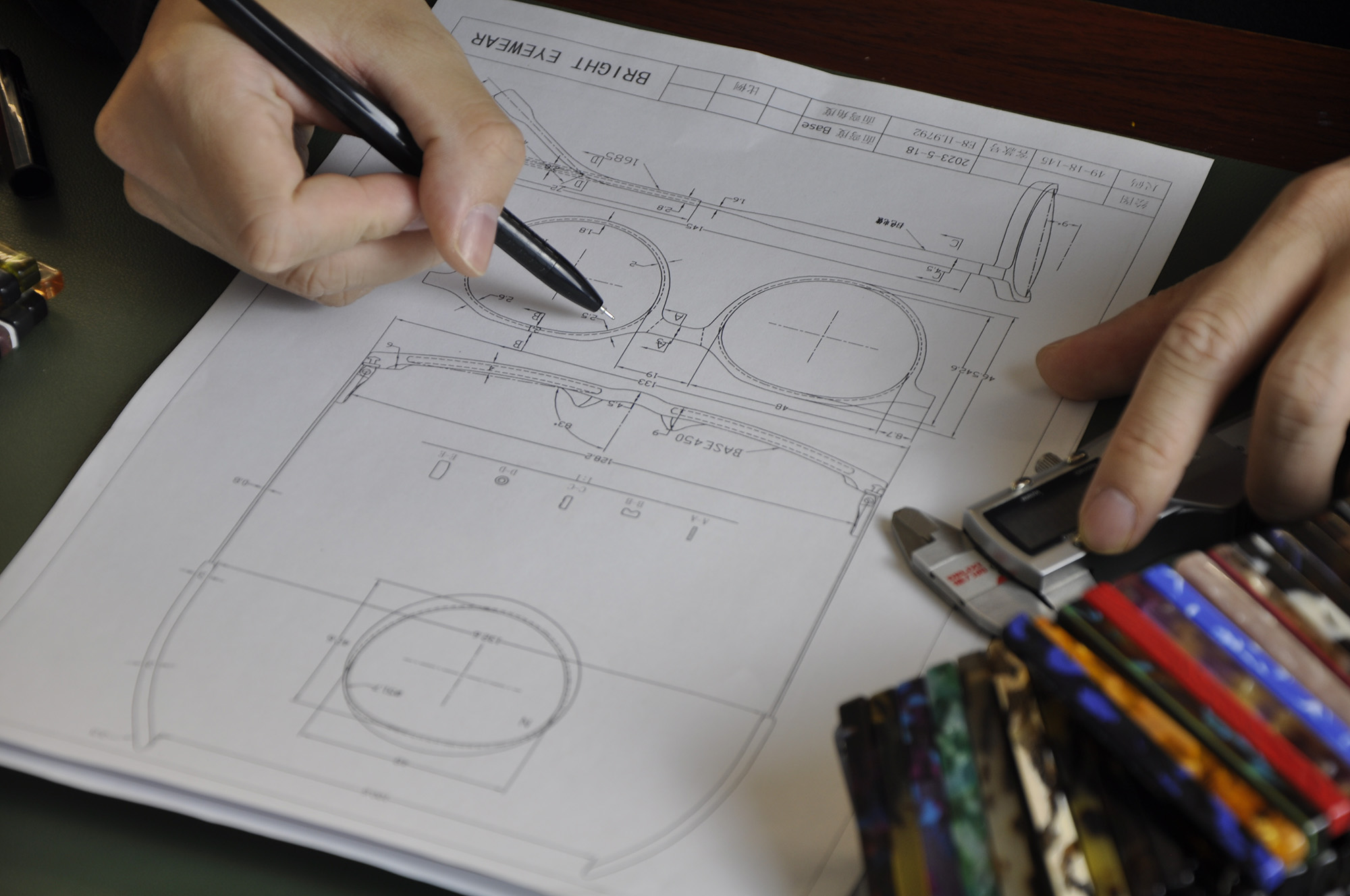
At Bright Eyewear, product development often starts long before production begins.
We work with brands to evaluate:
- shape direction
- commercial viability
- structural engineering
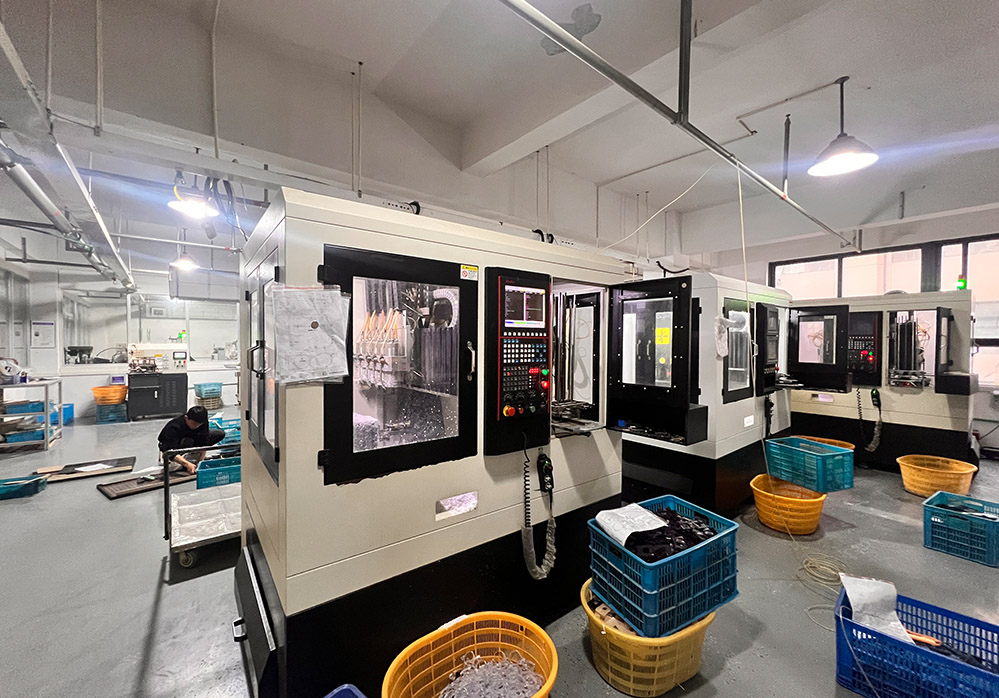
- manufacturing feasibility
- market positioning
Because successful eyewear is not only about creating beautiful frames.
It is about creating shapes that consumers actually want to wear.
Whether you are developing your first collection or expanding an established product line, understanding frame shape is often the first step toward building a stronger eyewear brand.
And if you're currently planning your next collection, we'd be happy to share our experience and help turn your ideas into production-ready products.
👉 Explore our manufacturing services here or contact us for a quote.