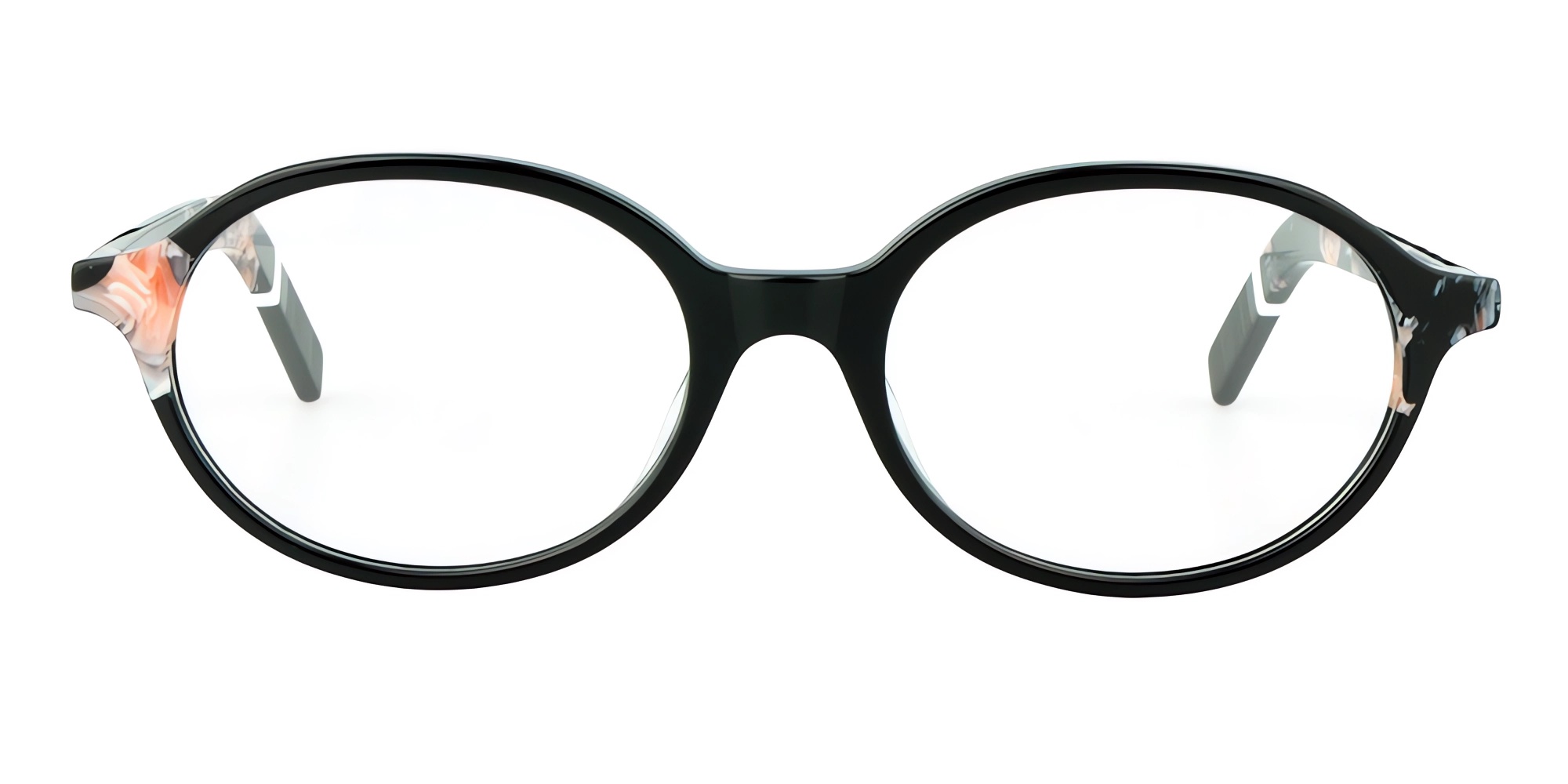
European Eyewear Market Insights: Design Preferences, Compliance Requirements Premium Consumption Trends
September 05, 2026
For eyewear brands and manufacturers worldwide, Europe is not just a massive sales market — it is also a "touchstone" that tests a product's design, quality, and compliance capabilities. Here you will find the world's most discerning consumers, the strictest market access standards, and the most mature luxury brand ecosystem. Understanding the underlying logic of the European market — from design preferences and compliance requirements to premium consumption trends — is an essential course for any eyewear business planning its global expansion.

1. Market Overview: One of the World's Largest Mature Markets
Europe has long held a core position in the global eyewear market. According to IMARC Group, the European eyewear market was valued at approximately USD 42.85 billion in 2025 and is expected to reach USD 46.88 billion in 2026, with a CAGR of about 5.11% during 2026–2034 . Although statistics vary by research scope, most agencies confirm that Europe accounts for roughly 28%–34% of the global eyewear market, making it one of the largest regional markets in the world .
Germany is the largest single market in Europe, accounting for 22.3% of the continent's eyewear revenue, followed by Italy, France, and the UK — together forming the core force of European eyewear consumption . Meanwhile, Europe's population is aging significantly: in Germany and Italy, over 65% of adults above 40 require some form of vision correction, creating sustained and stable demand for optical frames, progressive lenses, and reading glasses .
2. Design Preferences: From Nordic Minimalism to Southern European Boldness
"Europe" is not a homogeneous market. Consumers in different regions show distinct differences in eyewear design preferences, and brands need to differentiate their product selection and design by region.
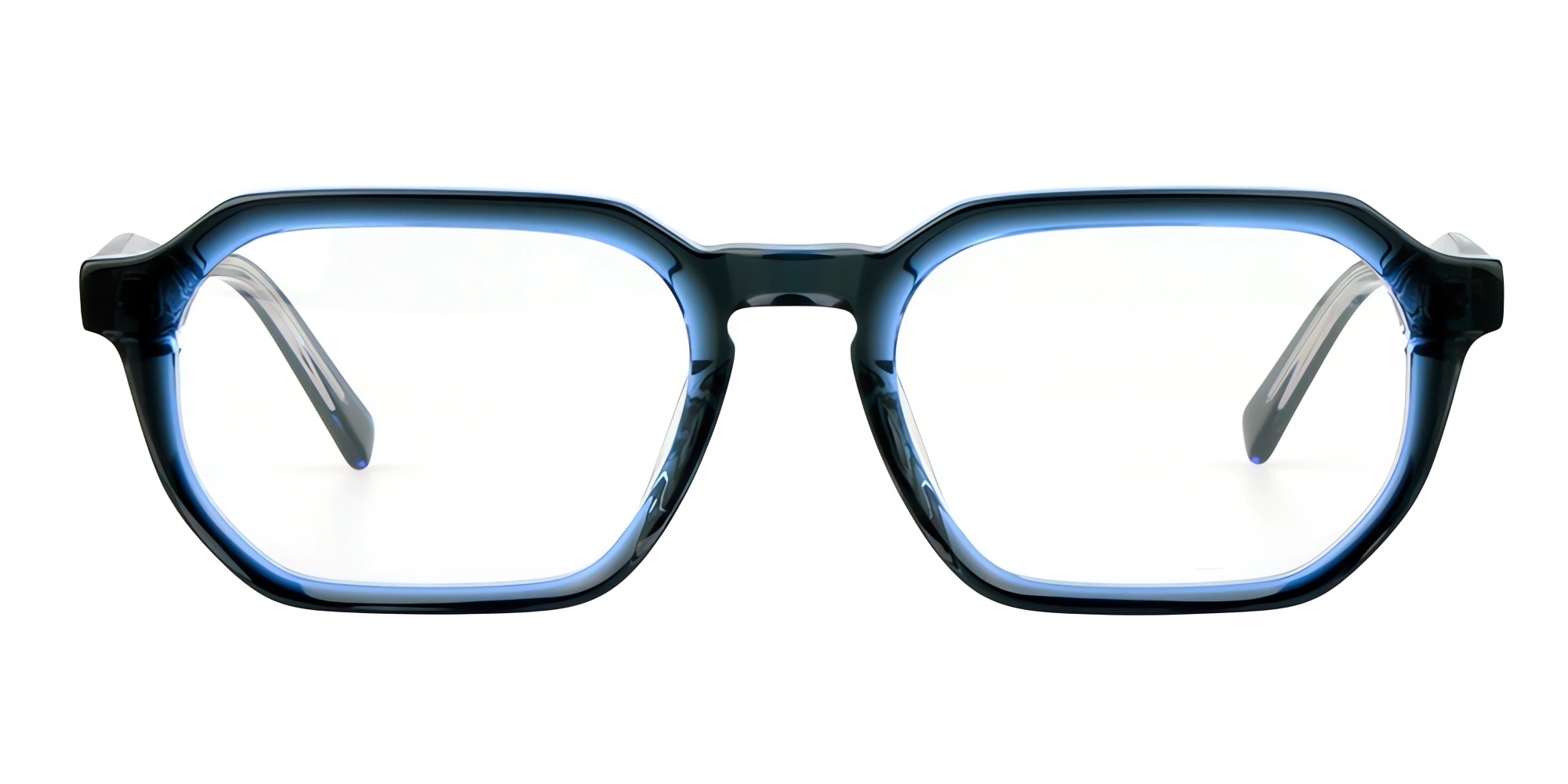
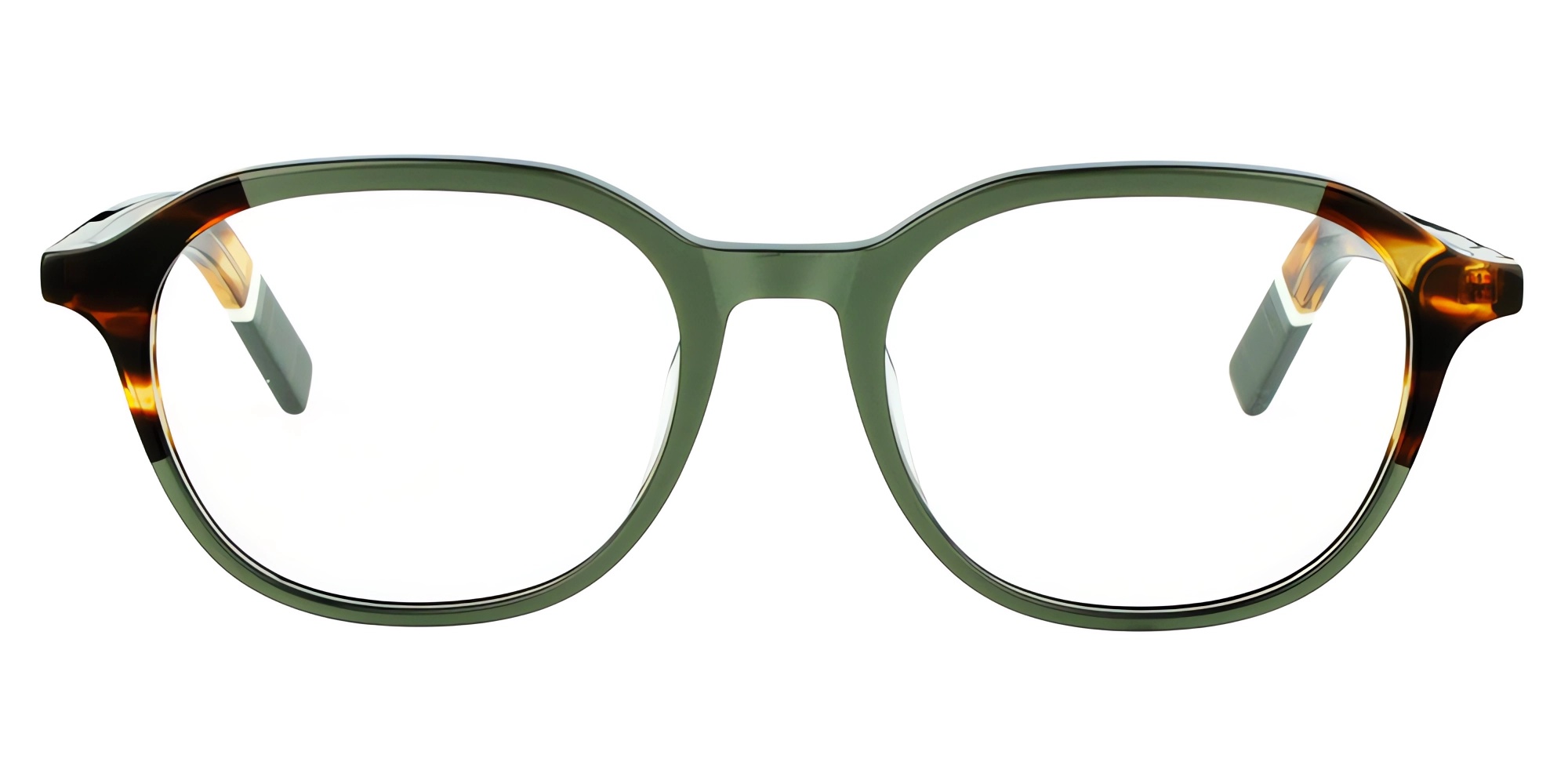
Northern & Western Europe: Minimalism and functional aesthetics. Consumers in Germany, the Netherlands, and the Scandinavian countries prefer clean, restrained, function-driven designs: thin metal frames, solid-color acetate, and neutral palettes (black, grey, tortoiseshell, silver) dominate. Consumers in this region value precision craftsmanship and wearing comfort, and are highly receptive to "Quiet Luxury" — no flashy logos, only premium materials and precise manufacturing.
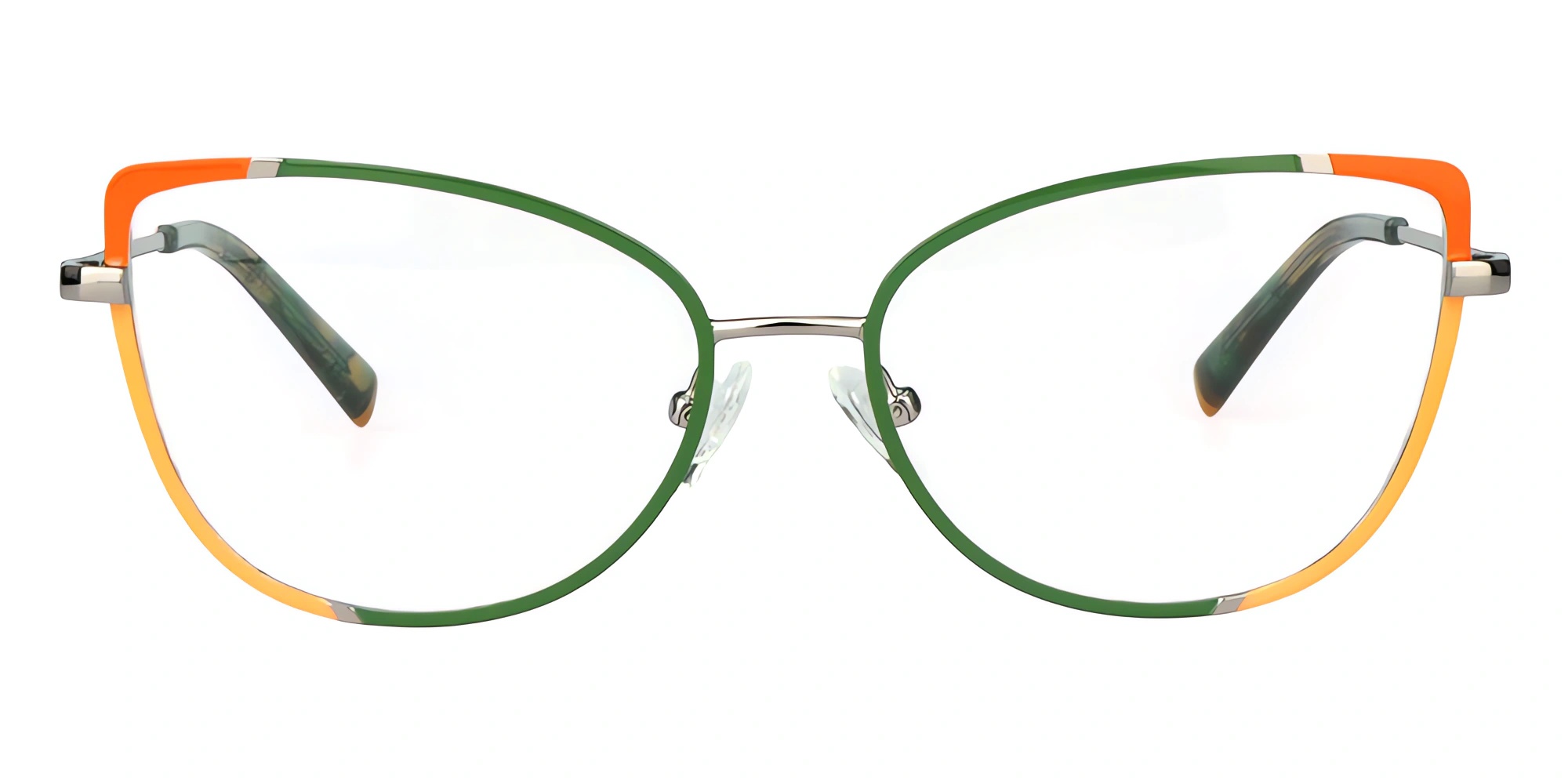
Southern Europe: Fashion expression and sun protection awareness. Italy, Spain, and the south of France are typical "fashion-driven" markets, where consumers are more willing to try bold silhouettes, rich colors, and design-forward styles. At the same time, intense sunlight in Southern Europe has driven extremely high sunglasses penetration — according to IMARC Group, sunglasses account for 28.6% of the European eyewear market, with growth largely fueled by UV protection awareness in Southern Europe .
France: Luxury heritage and artistic temperament. As the global capital of luxury, French consumers treat eyewear as a symbol of identity and taste, favoring premium materials (pure titanium, high-grade acetate), classic silhouettes, and brand storytelling. The UK: High DTC penetration and trend sensitivity. UK consumers are highly receptive to emerging DTC brands, with fast trend cycles and a dual character of both premium spending and value shopping.
A common cross-regional trend: the "buy less, buy better" philosophy is deepening. European consumers are increasingly inclined to buy fewer but higher-quality, more durable pairs of eyewear, which drives sustained growth for high-quality classic styles and sustainable products.
3. EU Compliance Requirements: The "Entry Ticket" to the European Market
If design determines a pair of glasses' appeal on the shelf, compliance determines whether it can enter the European market at all. The EU's market access regulation for eyewear has been continuously upgraded — in June 2026, two new unified standards officially took effect, and exporters must adapt immediately.
3.1 Spectacle Frames Standard: EN ISO 12870:2025
The new frame standard officially took effect in June 2026 with no transition period — all new frames exported to the EU must fully comply with the new requirements, and old-version test reports are no longer accepted. The standard covers full-rim, semi-rimless, rimless, and folding frames in all materials including metal, acetate, TR90, and natural organic materials .
Key requirements include:
Mechanical performance: The bridge must show no permanent deformation, cracking, or loosening after pressure testing; hinges must pass 500+ opening/closing durability cycles; temple clamping force and smoothness must meet standard thresholds.
Nickel release: For metal frames, nickel release must be ≤ 0.5 μg/cm² per week to prevent skin allergies (ISO 12870 biocompatibility requirement) .
Environmental resistance: After artificial sweat testing and constant-temperature humidity testing, metal parts and plating must show no discoloration, corrosion, plating peeling, or oxidation blackening.
Craft safety: Frame edges must be smooth and rounded, with no sharp burrs, protruding points, or cracks; fasteners must be firmly seated with no exposed sharp parts.
Labeling: Finished frames must clearly and durably display model, material, safety standard number, and production traceability information; labels must not blur, peel, or be altered.
3.2 Non-Prescription Sunglasses Standard: EN ISO 12312-1:2022+A11:2024
Under EU regulations, sunglasses are classified as Personal Protective Equipment (PPE) and must obtain CE certification under Regulation (EU) 2016/425 to enter the market. The new non-prescription sunglasses standard took effect in June 2026, replacing the old EN 1836; the old standard remains valid until December 31, 2027, during which both standards run in parallel — but newly produced and newly declared products must strictly comply with the new version .
Key updates in the new standard include: refined transmittance classification, strengthened UV protection requirements, upgraded impact resistance and flammability testing, higher weatherability requirements, and unified product safety classification and defect judgment rules. In addition, the EU's compliance focus has expanded from appearance and physical performance to chemical hazardous substance control, imposing stricter testing requirements on the chemical composition of frame materials, coatings, and paints .
For manufacturers, this means building a complete European market compliance capability — from raw material selection (nickel-free or low-nickel, eco-friendly acetate), production processes (plating and polishing parameters), and testing systems (full third-party laboratory testing) to the labeling system.
4. Premium Consumption Trends: Quiet Luxury, Sustainability & Tech Integration
4.1 Europe Leads Global Premium Eyewear Consumption
Europe is the absolute core of global premium eyewear consumption. In 2025, Europe accounted for approximately 38.3% of global luxury sunglasses demand, the largest regional market; in the global luxury eyewear market, Europe also leads with a roughly 34% share . The four fashion capitals — Italy, France, Germany, and the UK — contribute the vast majority of regional premium demand. European consumers place high value on quality, timeless design, and brand prestige, which explains why the "Quiet Luxury" aesthetic emerged first in Europe and continues to dominate the premium segment .
4.2 Polarized and Functional Lenses Become Premium Standard
Functionality is redefining the value of premium eyewear. In 2025, polarized sunglasses held approximately 58.2% of the global premium sunglasses market; about 45% of European consumers prefer gradient sunglasses with polarized coatings for driving and vacation travel . Meanwhile, blue-light blocking lenses are moving from office scenarios into the mainstream, becoming one of the fastest-growing lens categories in the European market .
4.3 Sustainable Materials: From a Bonus to a Requirement
Sustainability is the most certain long-term trend in the European eyewear market. Over 30% of newly launched frames in Europe use recycled or bio-based materials . European consumers actively research supply chains, material sourcing, and brand transparency before purchasing — and they quickly identify "greenwashing." The use of bio-acetate, recycled metal, and biodegradable materials is shifting from a differentiator to a baseline requirement for entering premium channels.
4.4 Technology and Digitalization Reshape the Consumer Experience
AI-powered virtual try-on, smart eyewear convergence (audio, AR, health monitoring), and DTC subscription models are reshaping the European eyewear retail landscape . European consumers are increasingly accustomed to trying on online first and then purchasing, which places new demands on both brands and manufacturers: standardized product photography and sizing data, assets adapted for virtual try-on, and efficient supply chain coordination with DTC channels.
5. Implications for Chinese Manufacturers and Exporters
The three defining features of the European market — design diversity, strict compliance, and premium dominance — point to a clear strategic direction for capable Chinese eyewear manufacturers:
First, build trust on a compliance baseline. The 2026 new standards mark the EU's entry into a stricter regulatory phase; after the old standards are fully abolished in December 2027, all exports must fully comply with the new versions. Factories that complete adaptation to EN ISO 12870:2025 and EN ISO 12312-1:2022+A11:2024 first will hold a clear advantage in customer trust and order acquisition.
Second, respond to regional differences with a tiered design strategy. Prepare minimalist, neutral, high-quality classics for Northern and Western Europe; more fashion-forward, color-rich styles for Southern Europe; and quiet-luxury combinations of premium materials for the high-end market. A differentiated product matrix covering all of Europe is the key to winning European orders.
Third, capture premium pricing through sustainability and functional upgrades. Incorporate bio-based materials, eco-friendly packaging, and polarized/blue-light functions into the product portfolio, and build credibility through third-party certification. European consumers are willing to pay a premium for quality, values, and long-term durability — this is the pathway for Chinese manufacturing to move from "price advantage" to "value advantage."
As a professional eyewear factory with over 18 years of manufacturing experience, we have fully adapted to the latest EU standard requirements: our product system covers full testing under EN ISO 12870:2025 and EN ISO 12312-1, with complete CE test reports and certification documents available. From European market design trend research, differentiated product selection, and sustainable material application to strict full-process quality control, we are committed to being a reliable manufacturing partner for brands entering the European market.
Conclusion: To Win Europe, You Must First Understand Europe
The European eyewear market is one of the most competitive, strictly regulated, and profitable markets in the world. It tests not a single dimension of capability, but the comprehensive strength of design insight, compliance systems, quality control, and supply chain responsiveness. For brands and manufacturers, those who first understand European consumers' design preferences, master the new EU compliance regulations, and capture premium consumption trends will hold long-term advantages in this mature and high-value market.