How to Build an Eyewear Collection That Sells for Years (Not Just One Season)
September 18, 2026
Most eyewear collections have a short life: they launch, sell for a season, and end up discounted on the clearance wall. A small minority of frames do the opposite — they sell steadily, year after year, with the same silhouette, the same color, the same margin. The difference is not luck. It is strategy.
That strategy now has a name. Across LinkedIn and the wider industry conversation, eyewear professionals are retiring the question "what is the next trend?" and replacing it with three quieter ones: How do we design timelessly? How do we build an evergreen collection? What does quiet luxury actually mean for our brand? This article breaks down each idea and turns them into a practical framework for building a collection that sells for years — not just one season.
1. Why "Evergreen" Is the New Growth Strategy
The trend-chasing model has a cost structure that nobody puts on the invoice. Every seasonal launch requires new design time, new tooling, new sampling rounds, new marketing assets — and ends with a percentage of stock being liquidated at a loss when the season turns. The faster trends move, the shorter the payback window, and the thinner the margin at the end.
Evergreen collections invert that math:
One development, many seasons of sales. A well-designed classic frame is developed once and sold for years. Design, tooling, and sampling costs are amortized over hundreds of thousands of units instead of a single season.
Lower inventory risk. A frame that sold well last year is far more predictable than a bet on an unproven trend. Predictability means safer buying decisions and fewer markdowns.
Repeat orders and repeat customers. When a customer buys a frame they love, they come back — for the same model in another color, or to recommend it. Evergreen frames build customer relationships; trend frames build one-off transactions.
Simpler operations. Fewer SKUs, longer production runs, stable supply chains. A disciplined evergreen strategy is easier for the factory, the brand, and the retailer alike.
This is why the industry conversation has shifted. When margins compress and attention fragments, the most reliable growth strategy is not chasing the next wave — it is owning a product that does not need a wave at all.
2. Timeless Design: The Anatomy of a Frame That Never Dates
Timeless design is not the absence of design. It is design that survives its era — and the frames that achieve it share a recognizable anatomy.
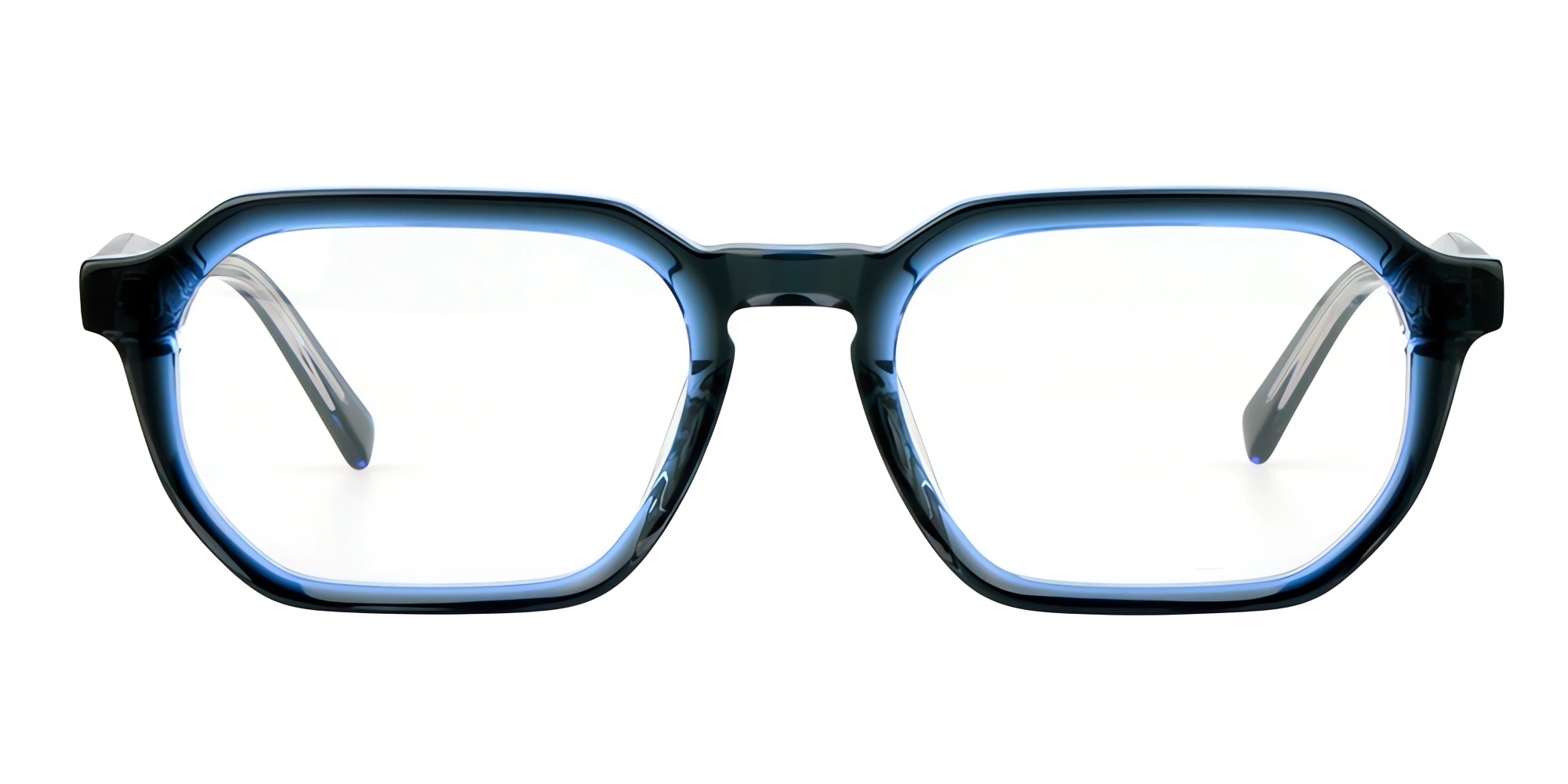
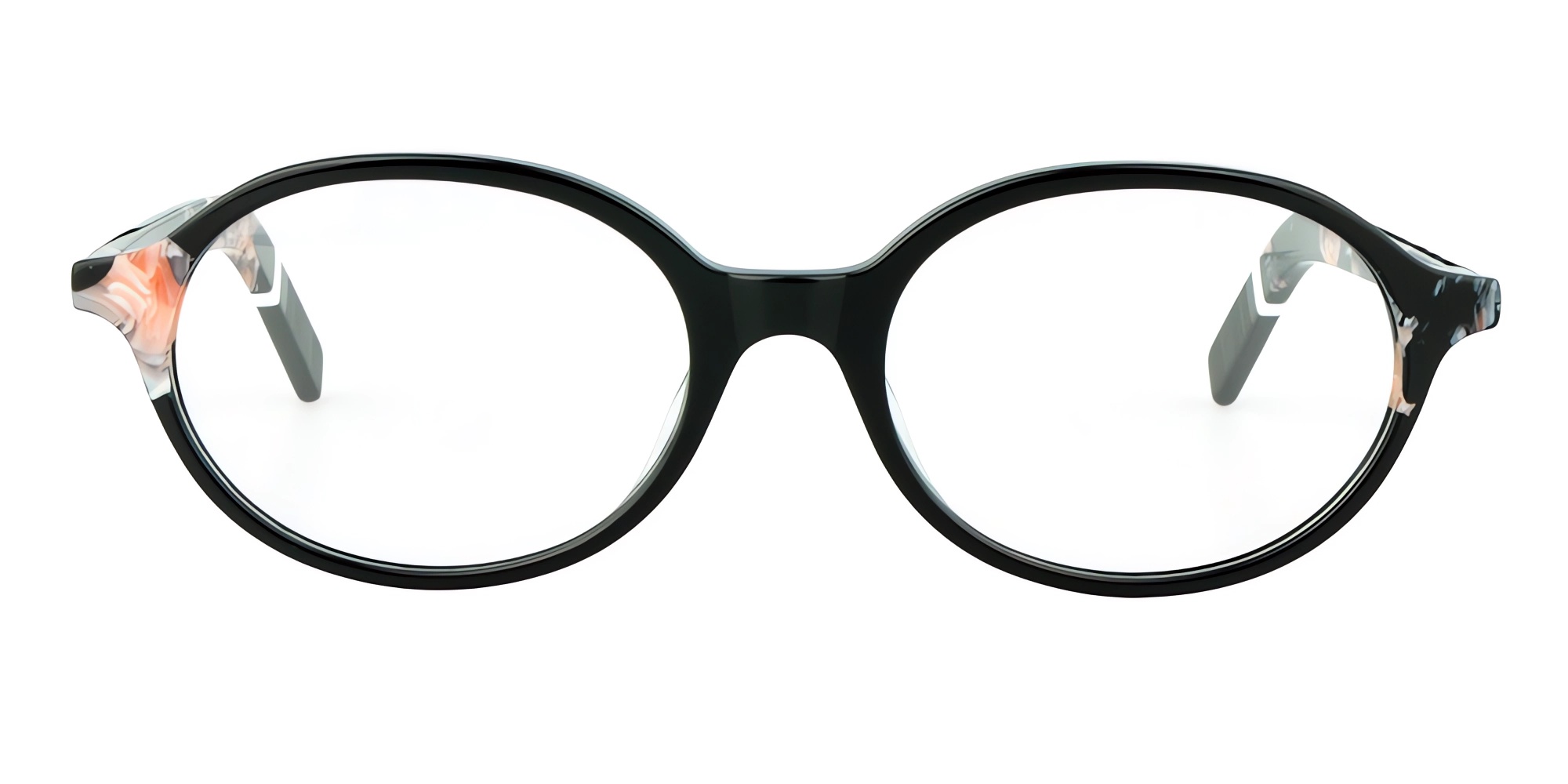
Proven silhouettes. The frames that still sell decades after their debut are the ones that solved the geometry of the face first: the wayfarer, the aviator, the round, the thin metal rectangle, the oversized square. These shapes are not "trends"; they are archetypes. They flatter a wide range of faces, read as neither masculine nor feminine, and accept new materials and colors without losing their identity.
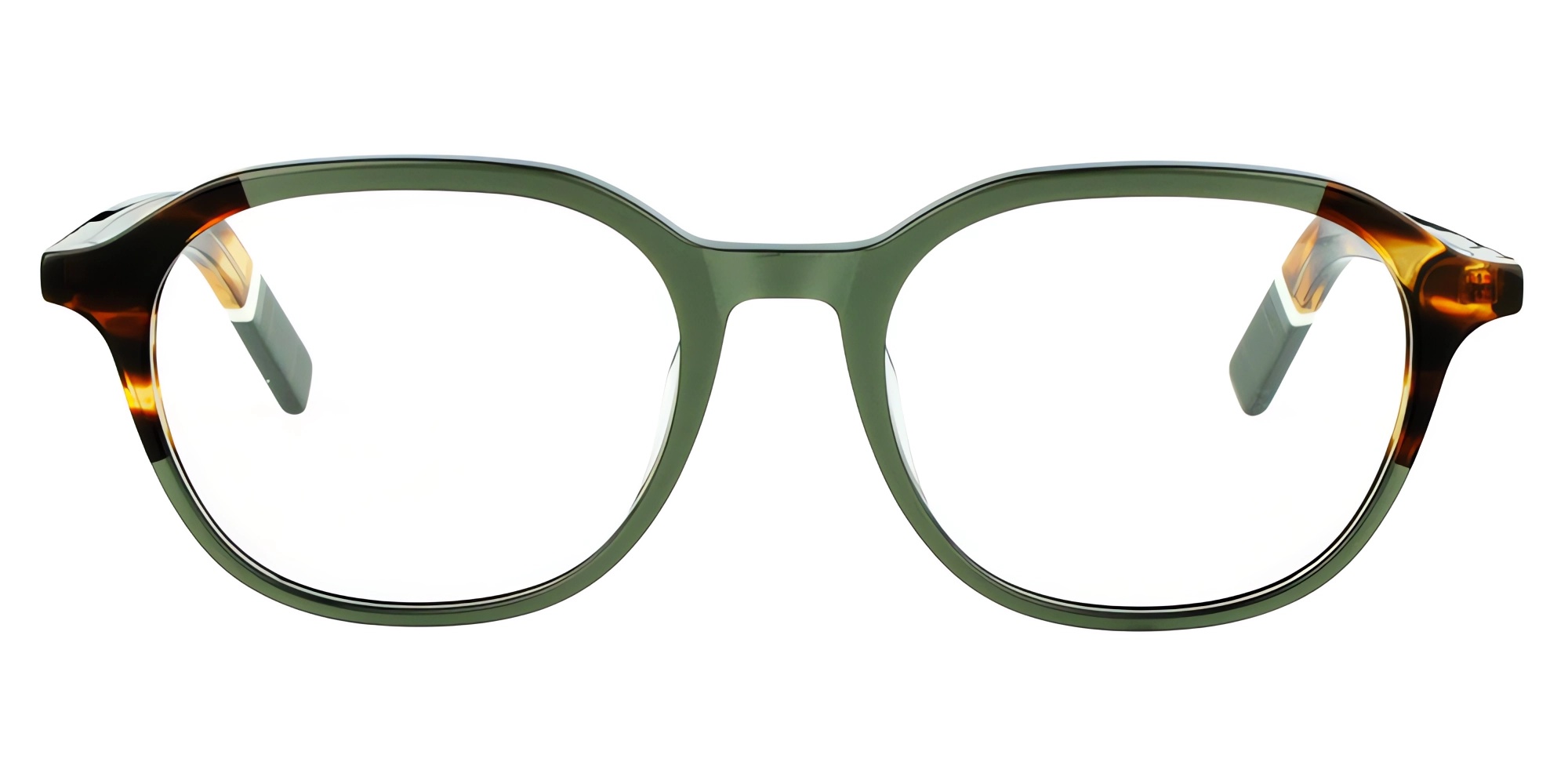
Neutral color discipline. Evergreen frames live in a controlled palette: matte black, tortoiseshell, brushed silver, gunmetal, translucent acetate. These colors survive lighting, seasons, and wardrobe changes. They are also the colors that carry premium finishes best — which matters, because finish is the second life of a timeless design.
Balance over novelty. Timeless frames favor proportion over decoration. A clean bridge, a considered hinge, a well-balanced temple curve — these details age well because they are functional before they are decorative. The most dateable frames are the ones where decoration was the point.
The five-year test. A useful discipline: before a frame enters the collection, ask whether you would still be willing to put it on the shelf five years from now. If the answer requires "the trend to hold," it does not belong in the evergreen core.
3. Evergreen Collection: Structure That Sells Season After Season
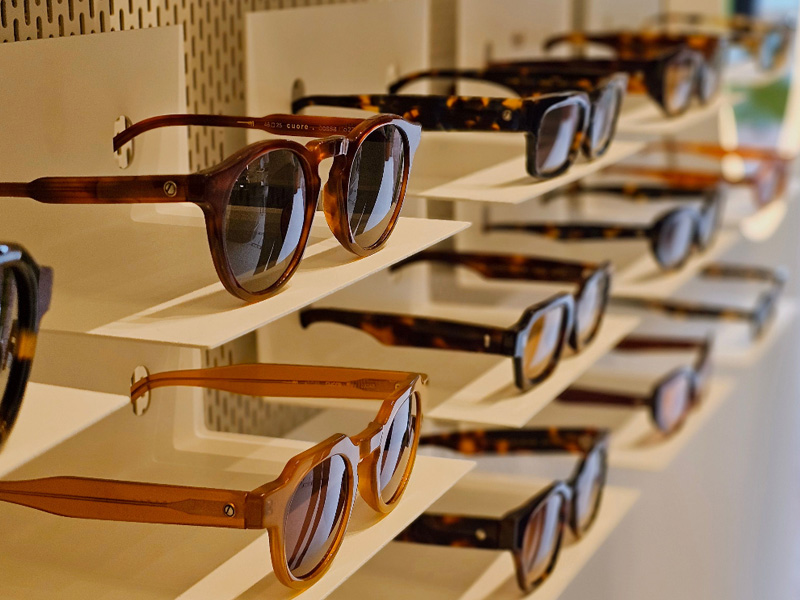
An evergreen collection is not a static shelf. It is a structure — and the structure is what makes it sustainable.
The 70/30 principle. Most successful evergreen collections anchor around a core of timeless, always-in-stock frames (roughly 70%), with a smaller seasonal layer (roughly 30%) used to test new ideas and keep the brand feeling alive. The seasonal layer is the laboratory; the core is the economy.
The core is stable — but not frozen. Evergreen does not mean never updating. It means updating without losing recognition. The most effective evergreen strategy takes a proven silhouette and moves it through new materials: the same wayfarer geometry in bio-acetate, in a new tortoiseshell shade, in a limited metallic finish. The customer perceives novelty; the factory reuses tooling and proven quality; the brand keeps its visual identity.
Retire by evidence, not by calendar. Trend-based collections retire frames on a schedule. Evergreen collections retire frames on evidence: when a core frame's sales and repeat rate genuinely decline — not when the season changes — it is refreshed or retired. Data, not the calendar, runs the collection.
4. Quiet Luxury: Why Less Logo, More Quality Is Winning
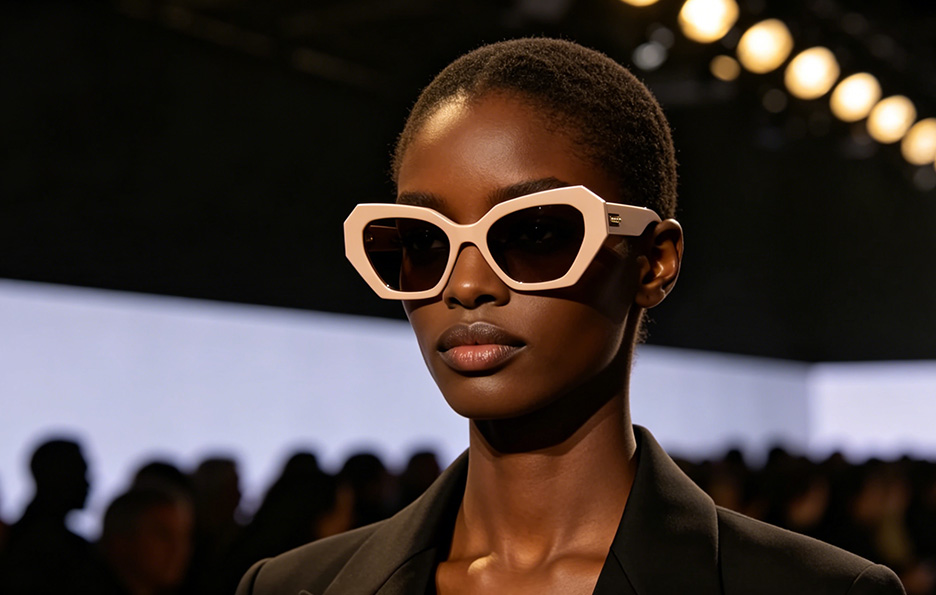
Quiet luxury has moved from a fashion buzzword to a buying behavior, and it has reshaped the premium conversation on LinkedIn and beyond. At its core, quiet luxury is a rejection of visible status signals in favor of tangible quality: materials, craftsmanship, and durability speak; logos stay silent.
Eyewear is a natural home for quiet luxury. A frame is small, worn every day, and touched constantly. It is the ideal canvas for the quiet-luxury philosophy: no loud branding, just the feel of a perfectly finished edge, the depth of premium acetate, the certainty of a well-calibrated hinge. These are the details from the "premium feel" conversation — and they are exactly what quiet-luxury consumers are buying.
The quiet-luxury consumer. These buyers are more research-driven than any previous premium segment. They investigate materials, sourcing, and brand transparency before purchase; they are allergic to greenwashing and to logo-heavy marketing. They will pay a premium — but only for quality they can verify. For eyewear brands, this means the design brief changes: fewer logos, better materials, more honest storytelling about how the frame is made.
Why it wins commercially. Quiet luxury frames occupy the high-value zone of the market: they are less discountable than trend items (no seasonal pressure), more defensible than commodity items (real material and craft barriers), and more resilient across economic cycles — the customer buying quality-for-years behaves differently from the customer buying a trend-for-a-season.
5. How to Build Yours: A Practical Framework
Step 1 — Define your pillar silhouettes. Choose 3–5 archetypal shapes that your brand will always carry. These are your pillars: the frames a returning customer should always find.
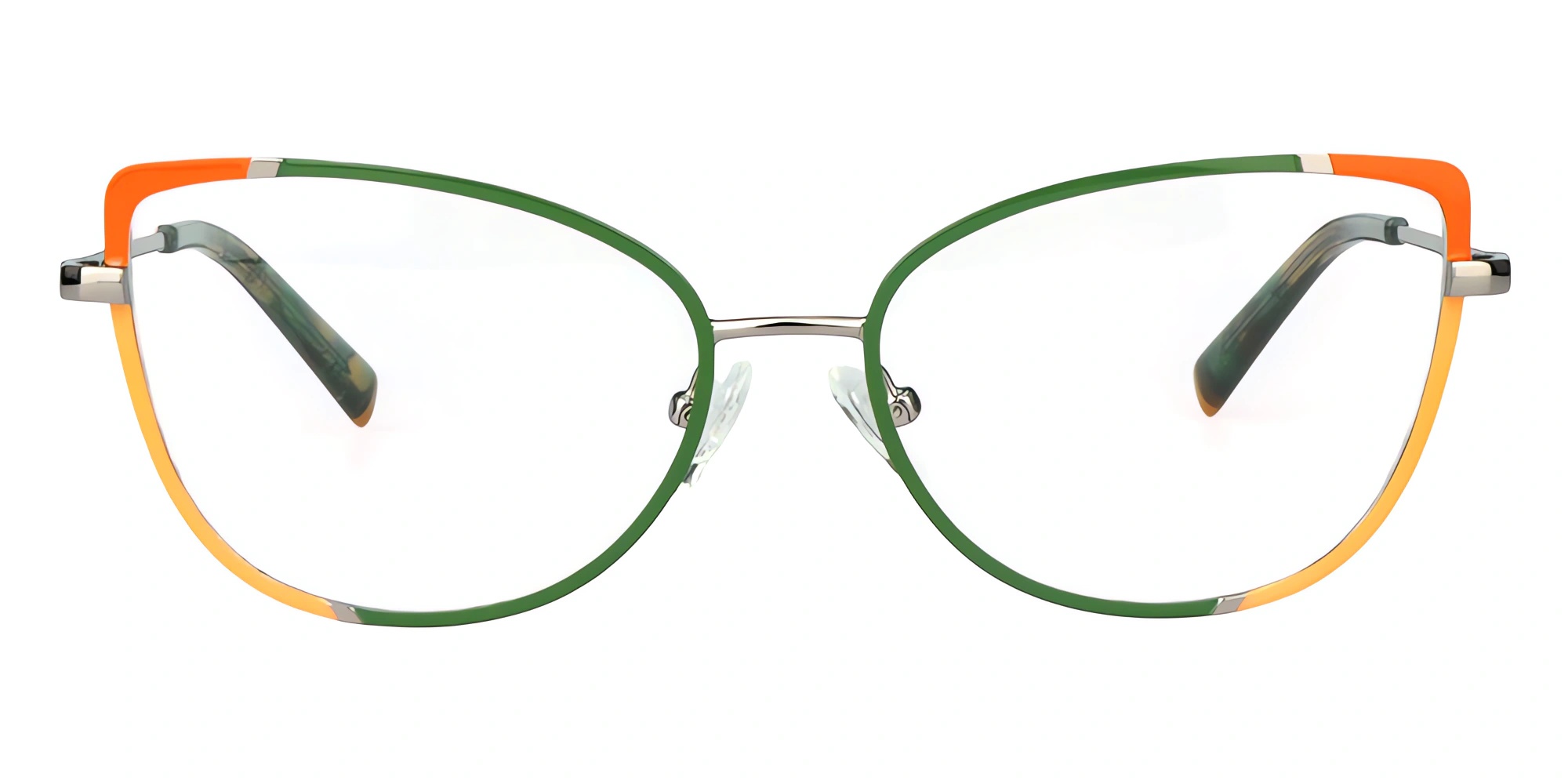
Step 2 — Lock a color system. Build the collection on neutral, premium-finish colorways (matte black, tortoiseshell, brushed silver, gunmetal, translucent), plus one or two signature brand colors used sparingly. Discipline here is what makes the collection coherent on a shelf.
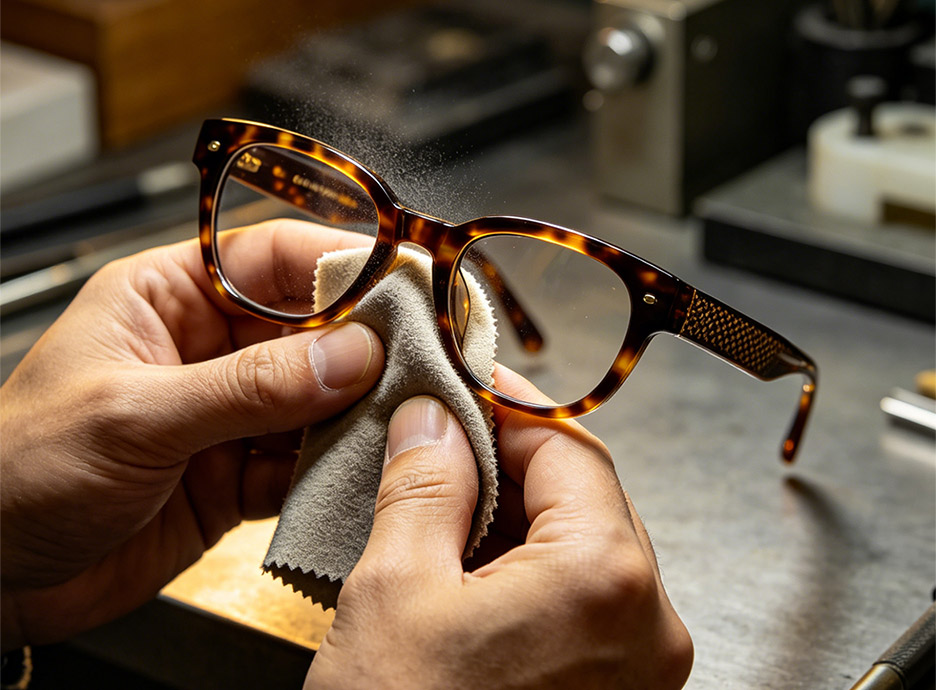
Step 3 — Put the quality where the customer can feel it. Evergreen economics only work if the frame lasts. Invest in the details customers feel before purchase: edge finishing, hinge quality, acetate grade, plating thickness. A timeless silhouette in weak materials fails the five-year test on year one.
Step 4 — Use the seasonal layer as a test bed. Let 20–30% of the collection test new silhouettes, colors, and materials. When a seasonal frame outperforms, promote it into the evergreen core. You are letting the market vote, then compounding the winners.
Step 5 — Manage by data, not by schedule. Track sell-through, repeat rate, and margin stability per SKU. The evergreen core earns its place with evidence, and the seasonal layer earns its place by producing the next core member.
6. The Manufacturer's Role in an Evergreen Strategy
An evergreen collection is only as stable as the factory behind it — and this is where brands and manufacturers must align. Evergreen economics depend on three manufacturer commitments:
Tooling and mold retention. A classic frame must be reorderable years after launch. The factory must retain molds, tooling, and production documentation — a disappearing mold quietly ends an evergreen product.
Color and finish consistency. A tortoiseshell that shifts color between batches destroys the "always the same frame" promise. Color formulas and finish parameters must be locked and reproducible.
Repeatable quality. A frame is only evergreen if batch 1,000 feels like batch 1. Consistent polishing, hinges, edges, and plating are not negotiable.
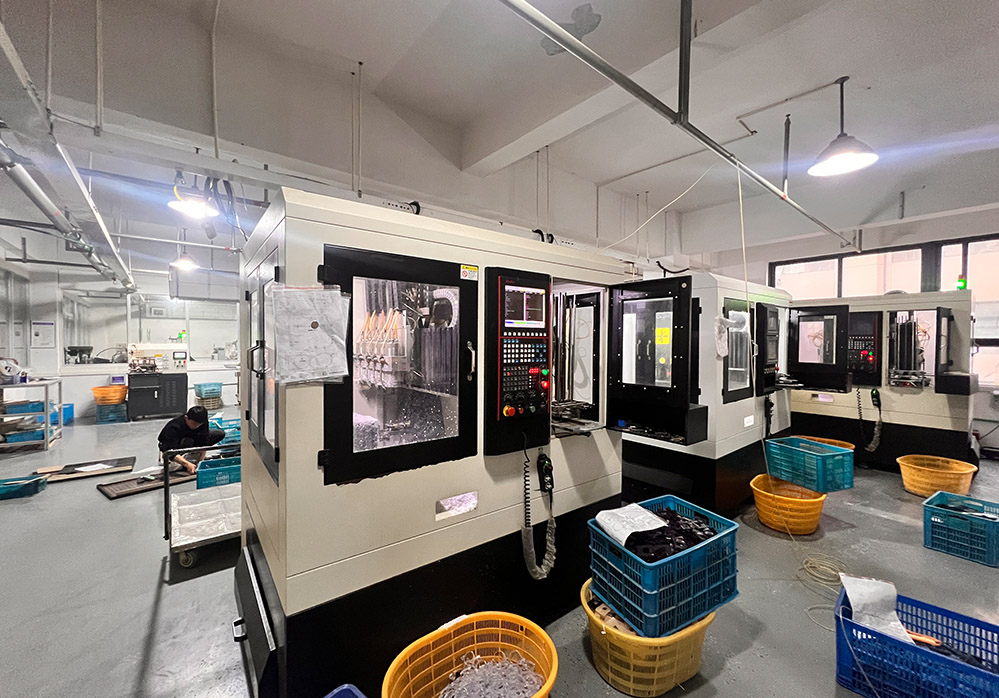
As a professional eyewear factory with over 18 years of manufacturing experience, we have built our production system around exactly these commitments: permanent tooling management, locked color and finish formulas, and full-process quality control that keeps batch 100 as good as batch 1. We work with brands to develop classic silhouettes engineered to sell for years — and to manufacture them, reliably, every year after.
Conclusion: Own the Frames That Do Not Need a Season
The eyewear market rewards speed — and it pays for durability. Every collection faces the same choice: chase the next trend and discount the leftovers, or build evergreen frames that sell themselves, year after year. The industry's sharpest voices on LinkedIn and beyond have already made their call, in three words: timeless, evergreen, quiet. The frames that do not need a season are the ones that own the shelf.