Latin America Middle East Eyewear Market Opportunities: Rising Price Sensitivity Fashion Awareness
October 23, 2026
1. Core Market Trend: Two Regions, One Shared Growth Driver
Latin America (Brazil, Mexico, Colombia, Argentina) and the Middle East (Saudi Arabia, UAE, Egypt, etc.) have different market structures, but they share similar growth catalysts. Social platforms including TikTok and Instagram, plus influencer culture, are pushing eyewear into mainstream fashion. Young shoppers are willing to invest in attractive silhouettes, colorways and designs. Meanwhile, inflation, currency volatility and household budget constraints make most buyers price-conscious and reluctant to pay excessive premiums for luxury brands.
In short, consumers are no longer satisfied with cheap low-quality goods, nor do they blindly chase luxury labels. Affordable premium, stylish and well-made eyewear is the mainstream sweet spot.
Latin America: Strong sunlight and high UV exposure make sunglasses a daily necessity. Gen Z shoppers in urban areas favor bold colors, oversized frames and trendy silhouettes. Inflation pushes buyers to compare prices carefully; installment payments and discounts greatly boost conversion. Brazil and Mexico stand out as top growth markets. More local buyers shift from offline optical shops to independent websites and social commerce for sunglasses and optical frames.
Middle East: Gulf markets (UAE, Saudi Arabia) host mature high-end consumers who prefer large frames, gold accents and minimalist styles suitable for business and social occasions. At the same time, populous markets such as Egypt feature highly price-sensitive mass buyers, where affordable fashion frames sell in large volumes. Clear seasonal shopping peaks line up with Eid al-Fitr and Eid al-Adha, when eyewear is popular for gifting and replacement. Lightweight titanium frames, gradient lenses, polarized sunglasses and blue-light optical glasses enjoy steady rising demand.
Both regions share the same shift: eyewear is turning from a medical necessity into an outfit staple. Shoppers search for influencer styles, but they always compare prices before checkout. That explains why fashion awareness and price sensitivity are rising hand in hand.
2. Price Sensitivity: Not Just Low Price, but Strong Value Perception
Many export sellers misunderstand price sensitivity as “the cheaper the better”. The reality in Latin America and the Middle East tells a different story.
Price sensitivity essentially means buyers have stricter standards for value:
Ultra-low-cost flimsy frames get eliminated quickly. Latin American buyers value durability; shatter-resistant frames and scratch-resistant lenses are basic requirements.
They are ready to pay extra for distinctive designs, polarization, UV400 protection, blue-light blocking and comfortable fit, but reject steep luxury brand markups.
High local retail prices, caused by tariffs and exchange rates, create advantages for Chinese original manufacturers. Reliable fashion frames at competitive wholesale prices leave healthy profit margins for local optical retailers and online sellers.
Three clear market tiers:
Volume tier: Budget fashion sunglasses and basic optical frames for local retail stores, street markets and social media resellers.
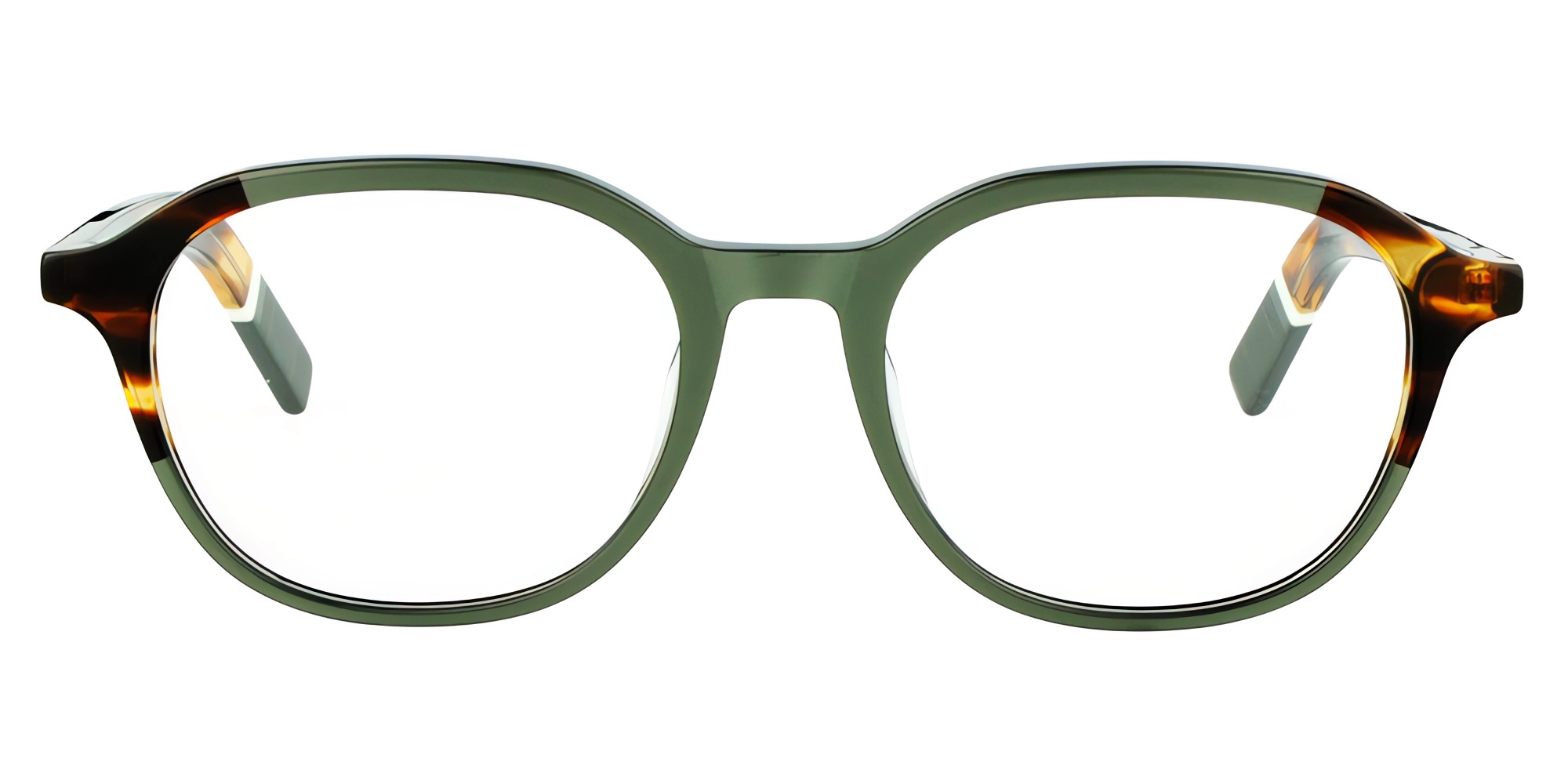
Profit tier: Designer acetate frames, lightweight titanium frames, polarized and blue-light glasses positioned as affordable premium — best sellers for independent stores.
Niche premium tier: Limited-edition designer eyewear targeting high-income groups in Dubai, Riyadh and São Paulo, smaller volume with high gross profit.
3. Rising Fashion Awareness: Social Media Shapes Aesthetics, Style Drives Clicks
TikTok and Instagram are the biggest engines behind eyewear fashion demand in both regions. Young people treat eyewear as a core styling piece and own multiple pairs for different outfits and scenarios.
Popular Styles in Latin America
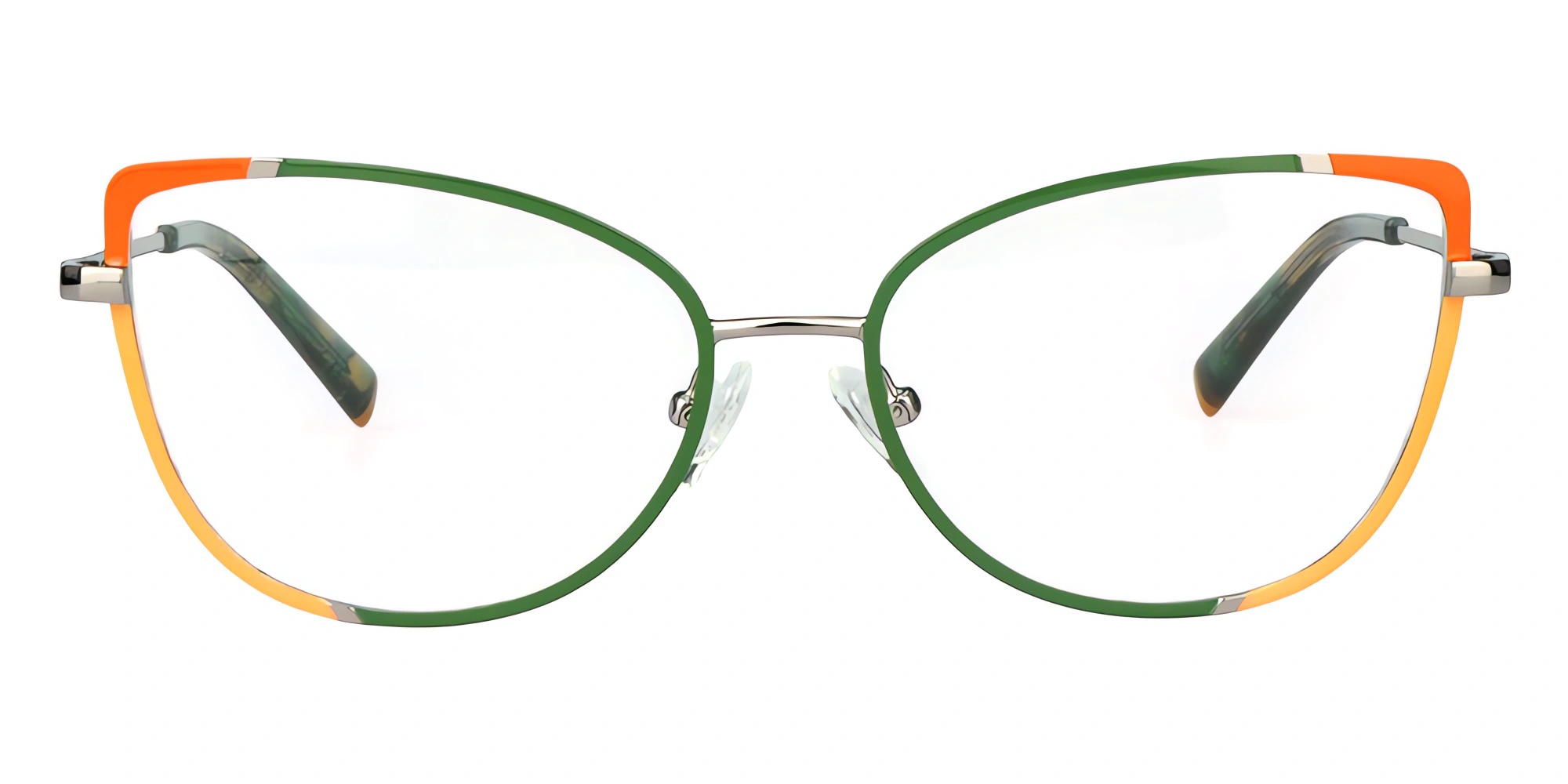
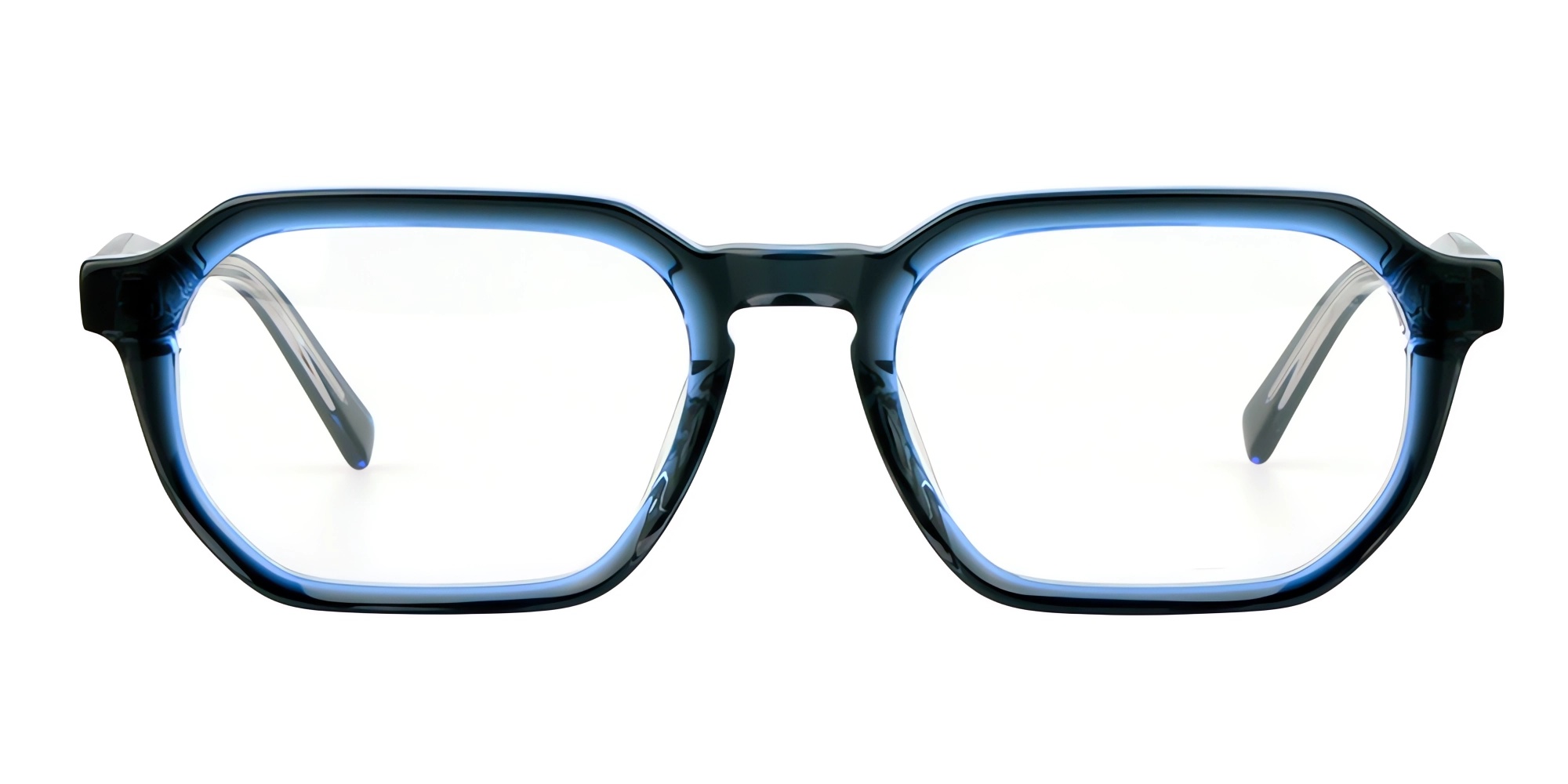
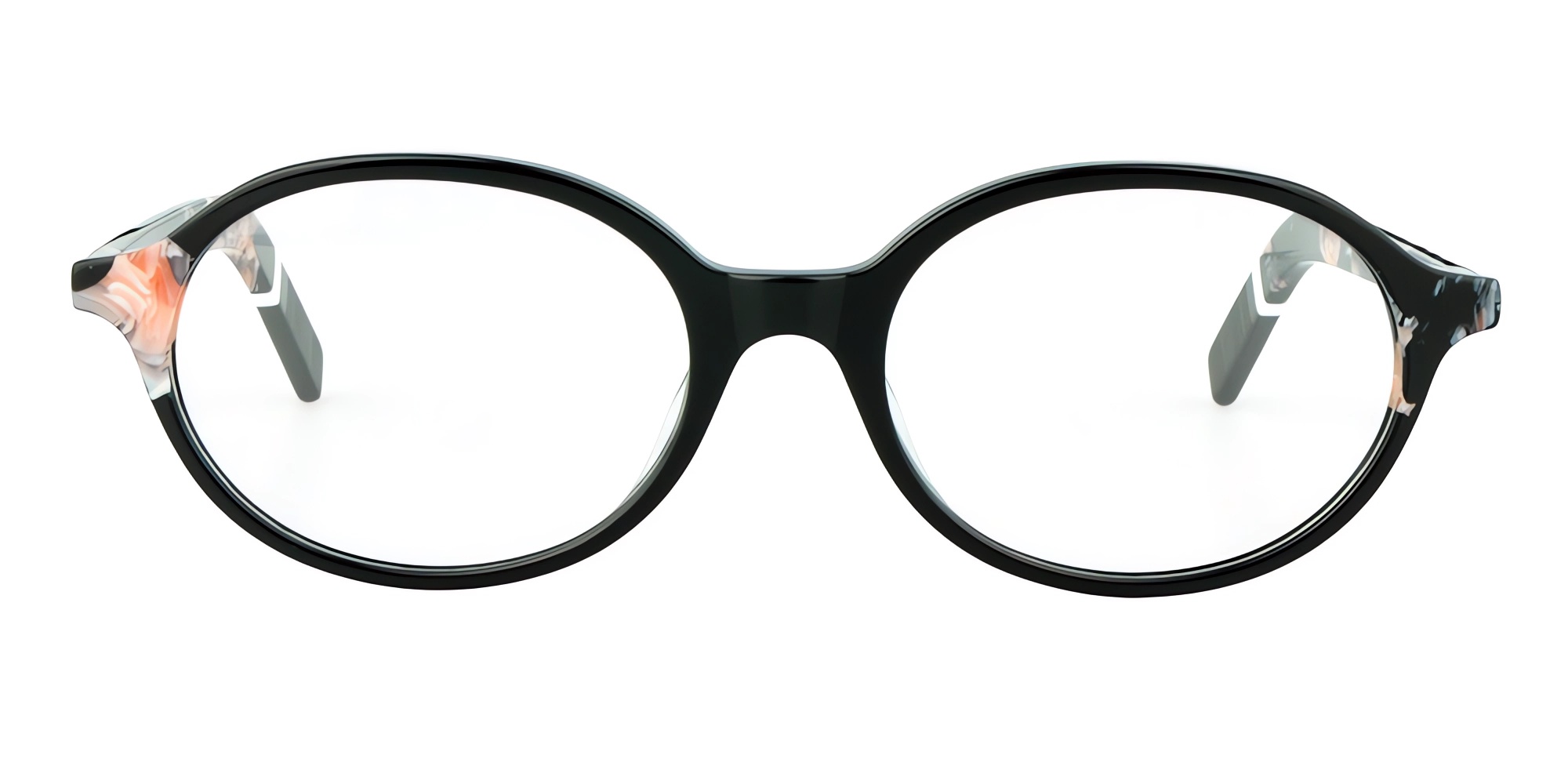
Trends lean toward bold and vibrant aesthetics: oversized frames, color-blocked acetate, retro cat-eye and thick square shapes are popular. Polarized sunglasses are preferred for sun protection and social media photoshoots. Bright saturated colors and streetwear-ready designs perform well for vacation and daily wear.
Popular Styles in the Middle East
Preferences lean toward subtle sophistication: large square frames, gold metal detailing and translucent light-colored frames dominate. Female buyers prioritize stable, non-slip frames compatible with hijab styles. Most shoppers favor understated elegance over flashy designs. Mirrored and gradient lenses are widely used for social events.
Critical SEO & Ads Tip: Wearable lifestyle photos with models deliver far better conversion than plain white-background product shots for Google Ads, social ads and product pages. A large share of long-tail search queries are style-focused: oversized sunglasses, retro acetate frames, gold rim optical glasses.
4. Actionable Strategies for Eyewear Exporters: Product, Pricing, Channel & Marketing
4.1 Product Strategy: Build Tiered SKUs for Affordable Fashion
Avoid focusing only on ultra-cheap bulk items or high-end luxury lines. A three-tier portfolio works best: low-price loss leaders, core profitable fashion SKUs and premium showcase models. Prioritize silhouette and color development for main SKUs, with improved craftsmanship and packaging to differentiate from generic white-label goods. Include must-have features: UV400, polarization, blue-light blocking and lightweight construction.
4.2 Pricing Strategy: Adapt to Local Consumption Habits
Installment payment options improve conversion for Latin American stores. The Middle East has segmented demand, so separate pricing strategies are needed for Gulf high-income markets and mass markets like Egypt. Offer tiered wholesale pricing to secure stable local optical retailers and influencer resellers.
4.3 Channel Layout: B2B Wholesale + DTC Independent Sites
B2B: Partner with local eyewear retailers, distributors and social media influencers. Provide OEM / ODM frame services and support small-batch trial orders for new styles.
DTC Independent Sites: Launch Spanish, Portuguese and Arabic sites. Invest in Google SEO and short-video social traffic, targeting style-based long-tail keywords.
4.4 Marketing Calendar: Align with Local Peak Seasons
Latin America peaks in summer holidays and Christmas. The Middle East’s biggest shopping seasons are Eid al-Fitr and Eid al-Adha, ideal for gift sets and premium packaging. Release limited seasonal colors and gift bundles ahead of major festivals to capture promotional traffic.
5. Common Pitfalls to Avoid
Directly copy Western styles: Aesthetics differ sharply. Middle East buyers prefer subtle luxury while Latin Americans love bold, expressive designs.
Race to the bottom on price: Cutthroat low-price competition hurts margins. Unique designs and stable quality are long-term moats.
Ignore compliance rules: Check certification requirements such as Brazil’s ANVISA and import labeling rules to prevent customs detention.
Cultural missteps in visuals: Follow local cultural norms when selecting models and scenes for Middle East marketing materials.
6. Conclusion: An Opportunity Built on Value
The biggest dividend in Latin America and Middle East eyewear markets comes from this dual trend: fashion expectations keep rising while consumers stay cost-conscious. The market is not hungry for cheaper junk; it lacks stylish, reliable and fairly priced eyewear supply.
For Chinese eyewear factories and exporters, positioning around affordable fashion, developing targeted styles, building tiered SKUs and running multi-language independent sites plus Google SEO will unlock steady growth, whether serving B2B wholesale clients or DTC retail buyers.