Why Some Eyewear Frames Feel Comfortable — and Others Don’t Explain comfort engineering in eyewear, including temple pressure, nose fitting, weight distribution, and ergonomic design.
October 24, 2026
1. Temple Pressure: The #1 Source of Eyewear Discomfort
Temples (frame arms) control stability — but they are also the most common pain point. Poor temple design creates concentrated pressure over the temporal bone and behind the ear.
Well-engineered temples apply symmetrical, gentle holding force, not squeezing force. The ideal tension is enough to keep the frame from sliding during head movement, laughing or bending down, but zero pressure when the wearer stays still. Too much inward clamping compresses soft tissue and blood flow, triggering headaches. Too little tension, and the frame slides constantly, forcing the wearer to push it upward repeatedly.
Key engineering details:
Temple curve: Proper temple tips follow the contour behind the ear, not dig straight into the skin. A gradual downward wrap distributes load across a larger surface area.
Spring hinges: Spring hinges add controlled flex. They open slightly wider when pulled, reduce peak clamping pressure, and suit a wider range of head widths. Fixed barrel hinges have no give; they either pinch or loosen quickly.
Material flexibility: Flexible acetate, TR90 or lightweight titanium temples absorb minor shape variation. Rigid injection plastic maintains fixed geometry and creates hotspots on irregular head shapes.
Temple length: Standard lengths range roughly from 135 mm to 150 mm. Temples that are too short push the front frame forward; overlong arms lose their wrap and slip.
For product development: Avoid sharp, thin temple tips. Wider, rounded contact surfaces spread pressure and reduce irritation.

2. Nose Fitting: The Bridge Where Comfort Starts
The nose bridge carries a large share of frame and lens weight, making nose fitting one of the most sensitive ergonomic zones. There are two common systems: adjustable nose pads and integrated molded bridges.
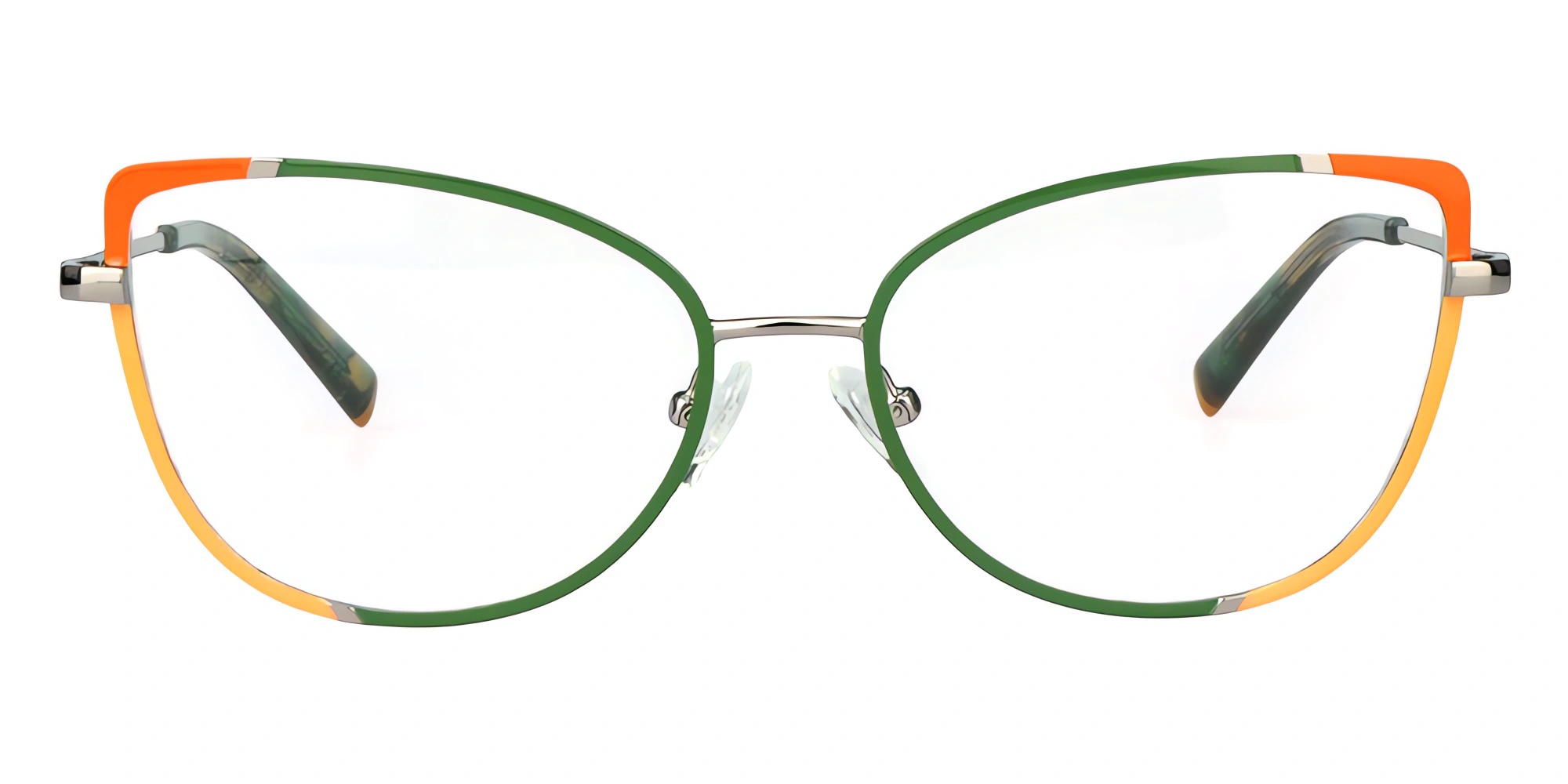
Adjustable silicone nose pads are highly versatile. Good nose pads have a curved, broad contact surface that matches the slope of the nasal skin, rather than touching at one tiny point. Tiny hard pads dig in quickly and leave deep red indentations. High-quality pads tilt independently to adapt to high, low, narrow or wide nose bridges — a critical feature for global markets with diverse facial features.
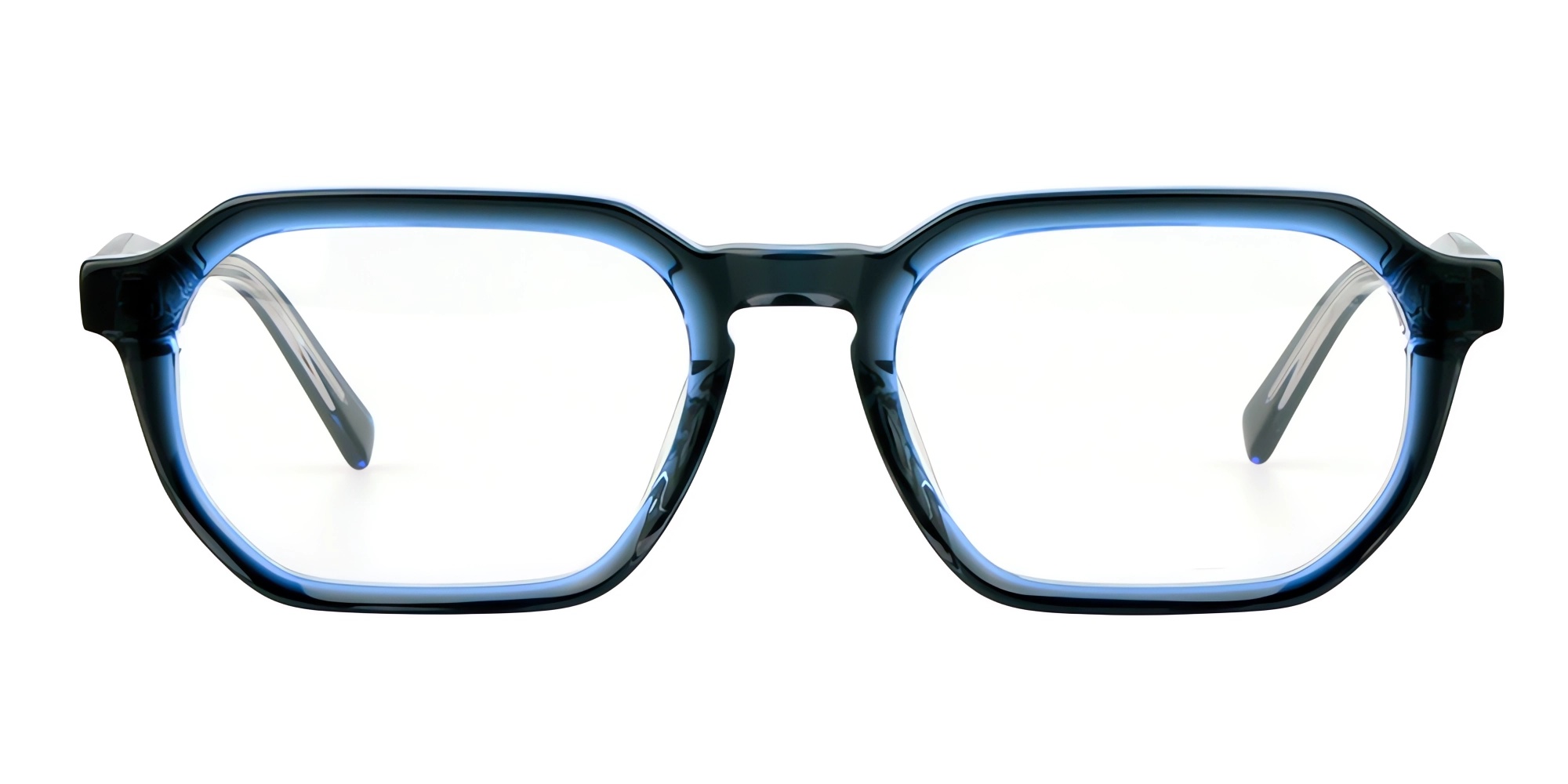
Integrated bridge frames (common in acetate sunglasses) rely on the carved curve of the frame front. The risk here is one-size geometry: a bridge shaped for one nose profile will create pressure gaps or overload for others.
Core nose-fit rules:
Contact area matters more than softness. Wider contact = lower pressure.
The frame should rest evenly on both sides of the nose, not tilt left or right.
If the bridge sits too high, lenses shift away from the optical centre and vision suffers. If it sits too low, frames slide and fog easily.
For export brands serving Latin America, the Middle East and Southeast Asia: mixed nose profiles mean adjustable nose pad options drastically reduce return rates caused by poor fit.
3. Weight Distribution: Lighter Does Not Always Mean More Comfortable
This is the most misunderstood rule of eyewear ergonomics: weight distribution beats raw weight.
A heavy frame balanced correctly can feel lighter than a thin, light frame that dumps all its load on the nose bridge. Comfort engineering splits the total load between two support zones: the nasal bridge and the rear ear/temple contact points.
Forward-heavy frames — usually from large, thick lenses or heavy front rims — pull downward on the nose. The wearer compensates by tightening temple pressure to hold the frame back, creating a vicious cycle of nose marks + temple pinch.
Good designers balance the front mass with counter-tension from the temple geometry:
Lightweight front construction (thin titanium, rimless, slim acetate) reduces forward pull.
Balanced hinge placement aligns the centre of gravity behind the nose contact points.
Curved temple tips lock gently behind the ears to share load, instead of only clamping sideways.
This explains why premium titanium frames are famous for all-day comfort: low mass paired with balanced load transfer, not just low weight alone.
4. Ergonomic Frame Geometry: The Whole Frame Works Together
Temples and nose pads cannot work in isolation. Full ergonomic design considers facial angles, pantoscopic tilt, wrap and interpupillary distance.
Pantoscopic tilt: The slight downward angle of the lens towards the cheek. A small tilt improves viewing comfort and helps the frame sit naturally. Too much tilt pushes the bottom rim into the cheek; zero tilt creates glare and unnatural viewing posture.
Face form wrap: Slight curve following the facial plane keeps lenses at a consistent distance from both eyes. Excessive wrap distorts prescription optics; flat frames often sit too far away on wide faces.
Frame width tolerance: Ergonomic ranges leave room for facial variation. Mass-market frames with very narrow tolerance work well only for standard head sizes and create discomfort for outliers.
Smooth transition zones: Sharp edges at hinges, rim ends or nose mount brackets create friction points. Comfort-focused frames break all edges and radius every contact surface.
Material selection supports ergonomics too. TR90 offers memory flexibility; acetate can be heat-adjusted by opticians for custom shaping; titanium delivers strength at minimal thickness. No single material is best — the material must match the intended ergonomic behaviour.
5. Why Comfort Engineering Matters for Eyewear Brands & Exporters
Comfort directly drives repeat orders, low return rates and positive reviews. In competitive markets where styles copy quickly, consistent all-day fit becomes a strong differentiator.
For B2B eyewear suppliers:
Clearly document ergonomic specs for your collections: spring hinge type, nose pad adjustability, temple curve and weight balance.
Develop two fit versions where needed: one for narrower bridge profiles and one for wider, flatter nose shapes.
Test samples across diverse face shapes before mass production; fit complaints appear only after end users wear frames for hours.
For DTC independent sites:
Add fit and comfort details in product descriptions, not only style specs. Shoppers search long-tail terms such as headache-free glasses, non-slip frames, comfortable sunglasses for long wear.
Show fit photos that demonstrate temple wrap and nose pad contact, not only front-facing fashion shots.
6. Quick Checklist to Judge Comfort Engineering
✅ Temples apply gentle hold, no squeezing pressure at rest
✅ Temple tips follow the ear curve, no sharp pressure points
✅ Nose pads have broad, curved contact and adjustable angles
✅ Weight is shared between nose bridge and rear ear support
✅ Balanced centre of gravity, no forward nose-heavy pull
✅ Rounded edges on all skin-contact parts
✅ Spring or flexible hinge system for tolerance to varied head widths
Conclusion
Eyewear comfort is a system, not a feature. It emerges from the precise engineering of temple tension, nose contact geometry, balanced load transfer and facial-aligned ergonomics. Style, colour and price attract buyers; consistent all-day fit turns one-time buyers into loyal customers.
For eyewear manufacturers and sellers competing globally, understanding these comfort principles is not a technical detail. It is a product advantage that separates frames customers love from frames they discard after one uncomfortable day.