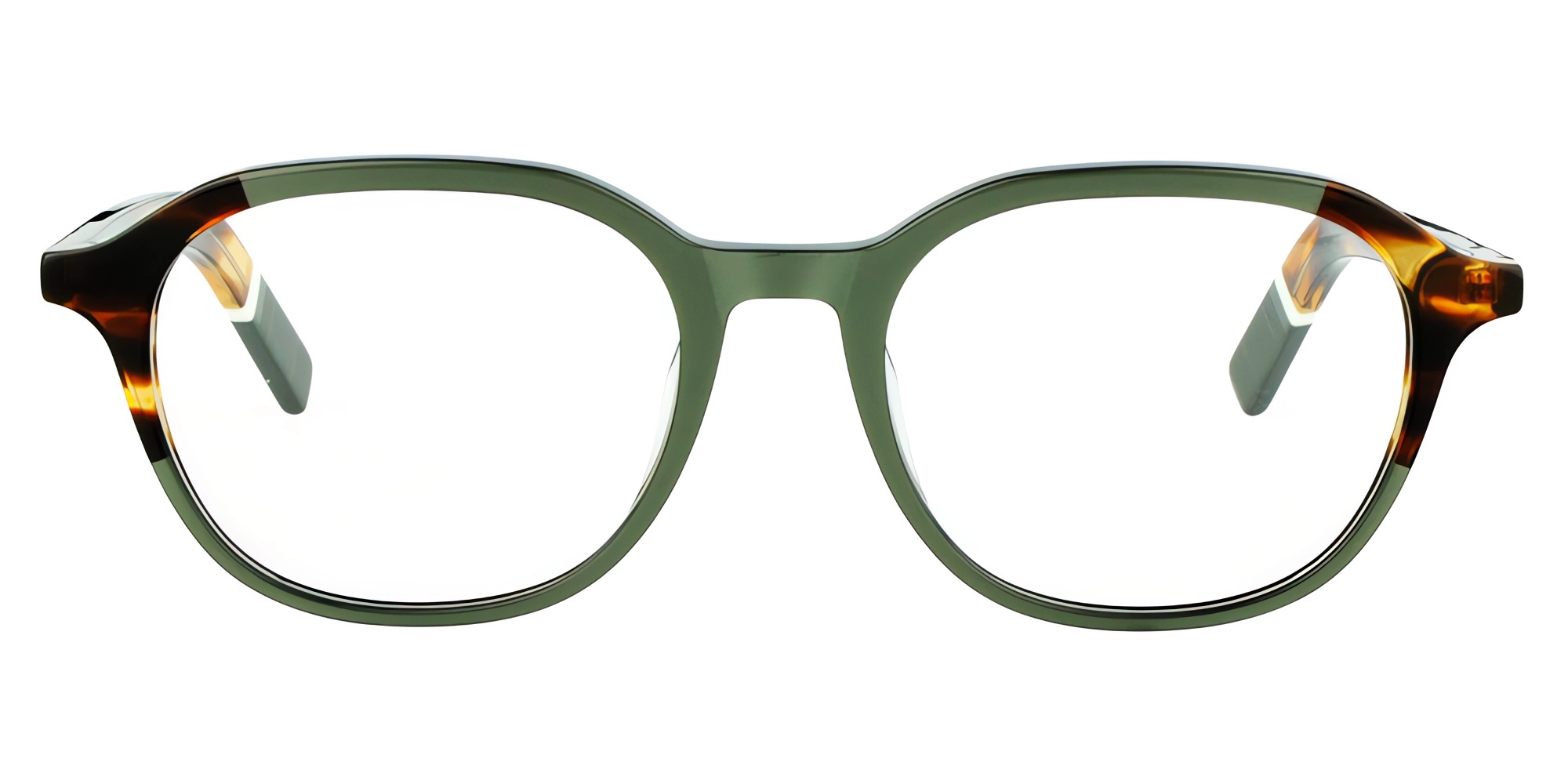
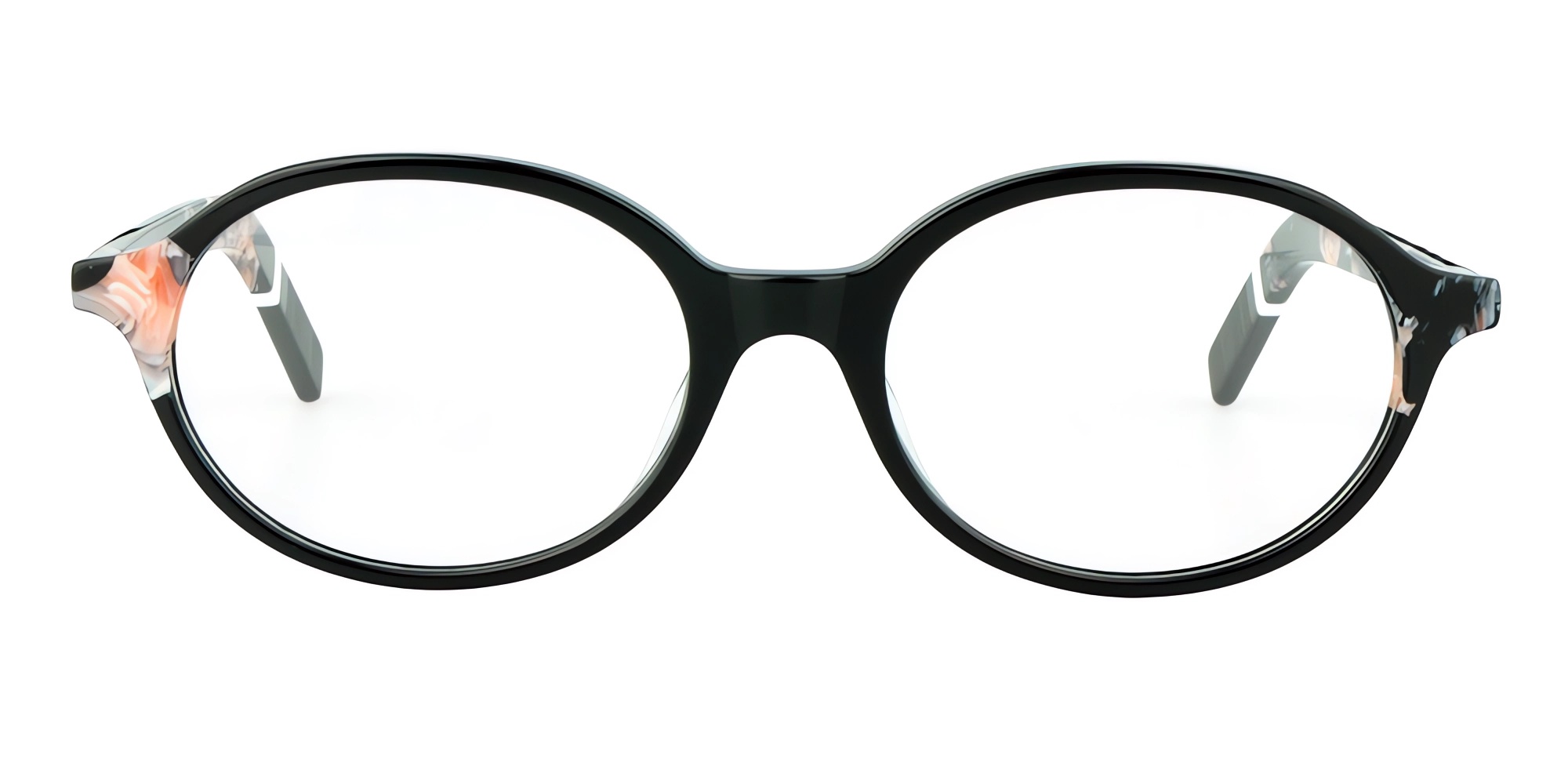
Mold Development for Custom Optical Frames: Costs, Timeline, and Process
November 12, 2026
For eyewear brands launching private-label optical frames, custom mold development is the most critical foundational step. A well-built mold defines frame shape, fit, surface finish and mass-production consistency. Many new B2B buyers underestimate how much time and budget custom frame molding requires, especially when switching between acetate, metal, TR90 and titanium eyewear. This guide breaks down the standard process, expected costs, realistic timelines and common pitfalls when investing in custom optical frame molds.
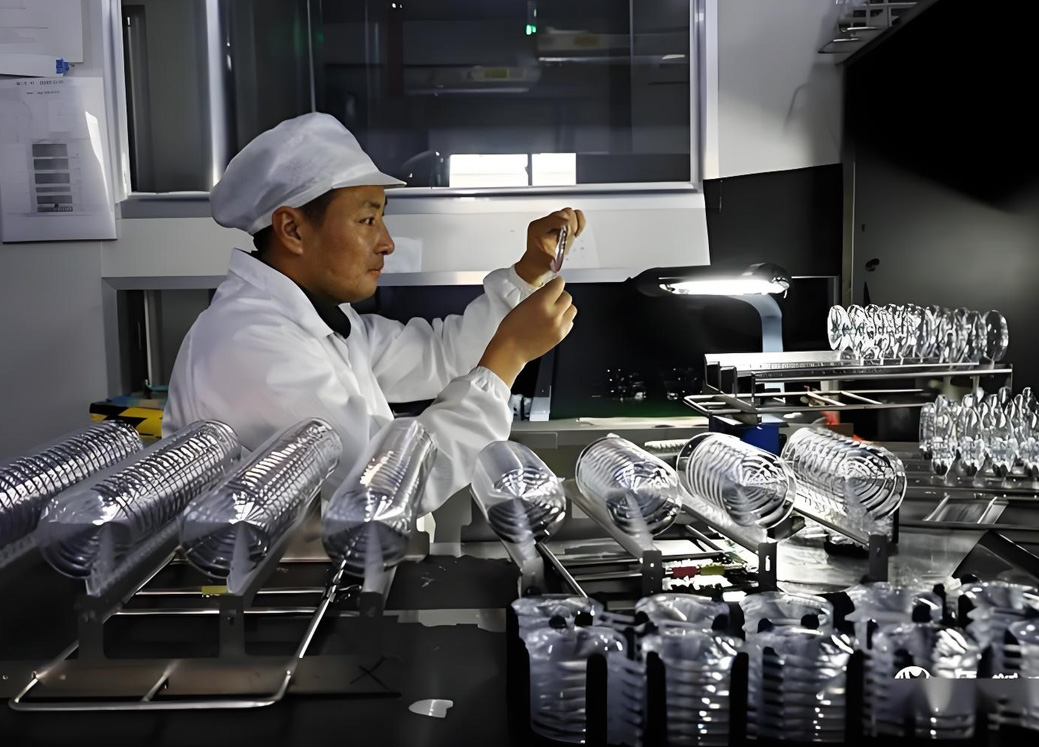
The eyewear industry uses two broad mold categories: prototype molds and production molds. Prototype molds are low-cost, fast-turnaround tools used only for design verification and initial sampling. They are not built for high-volume runs. Production molds, by contrast, are hardened, precision tools designed for thousands or tens of thousands of stable outputs. For serious private label lines, buyers will eventually need official production molds.
Step-by-Step Mold Development Process
The workflow follows six standard stages.
First, design finalization. The brand supplies concept sketches, reference frames or technical 2D/3D files. The mold engineer checks manufacturability: wall thickness, hinge structure, demolding angle, lens opening and assembly tolerance. If the design cannot be molded smoothly, adjustments are proposed before cutting steel. This stage often takes 3 to 7 working days.
Second, 3D modeling and toolpath programming. Engineers create precise CAD data for cavity and core, then generate CNC machining paths. For complex sculpted acetate frames or ultra-thin titanium frames, extra simulation is added to avoid shrinkage, warping or visible flow lines.
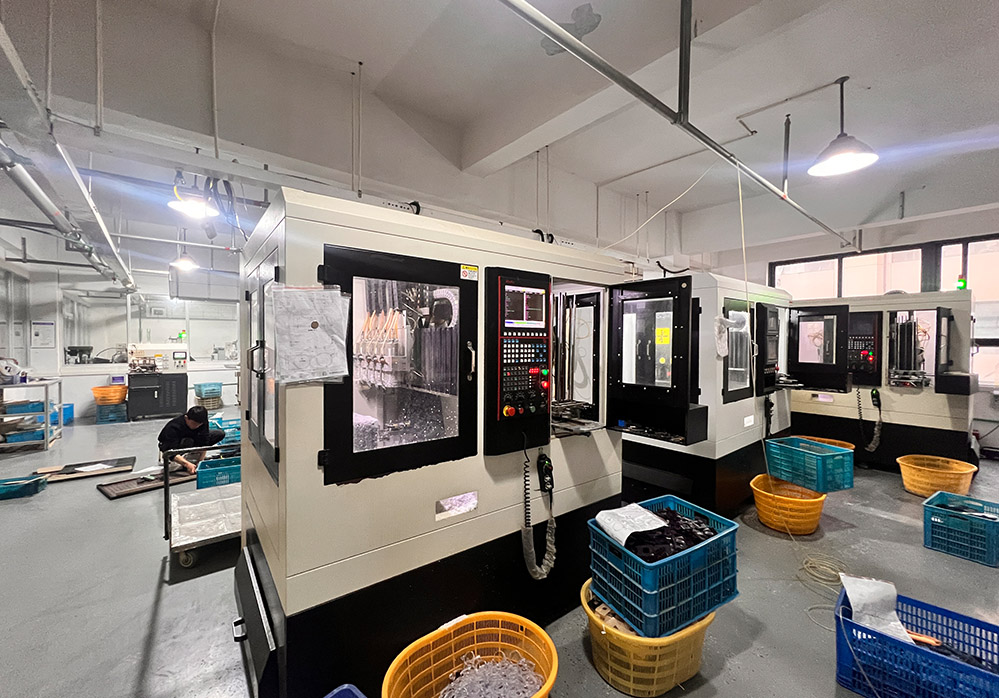
Third, mold machining and hardening. Mold steel is cut by CNC, EDM and wire cutting. After rough machining, the steel undergoes heat treatment for hardness. Polishing, texture etching and logo engraving come next. This is the longest phase for production molds.
Fourth, trial sampling (T0 sample). The factory runs the first trial with the finished mold. T0 samples are used to check dimensions, symmetry, surface quality and assembly. Most custom frames require revisions at this point.
Fifth, mold revision and resampling. Engineers adjust cavity size, gate position, cooling channels or hinge fit based on sample feedback. Multiple rounds of revision are normal, especially for organic acetate shapes.
Sixth, mold validation and mass release. Once T1 or T2 samples pass the brand’s inspection and functional testing, the mold is signed off and moved into formal mass production.
Expected Timeline
Timelines vary heavily by mold type.
Prototype mold: 7–15 working days, suitable for quick design checks.
TR90 / plastic injection production mold: 25–40 working days.
Acetate frame compression mold: 35–50 working days; acetate requires slower compression curing and fine hand finishing.
Titanium / stainless steel frame mold set: 45–70 working days, due to high precision and complex forming.
Add extra time if frequent design changes, special textures or custom engraved logos are requested. Every revision typically adds 7–14 working days.
Cost Overview
Mold pricing depends on material, cavity quantity, complexity and required lifespan.
Simple prototype mold: Low budget, ideal for one-off sampling only.
Standard plastic injection mold for optical frames: Moderate investment for basic geometric shapes.
Acetate compression mold: More expensive than plastic injection molds because each cavity needs hand polishing and tight compression control.
Titanium forming mold: The highest cost bracket. Titanium forming demands premium mold steel and ultra-tight tolerance control.
Important notes for B2B buyers: Most factories separate mold fees from sampling and unit production cost. Some suppliers offer mold amortization or partial mold rebates once a certain order volume is reached. Always confirm whether the quoted price includes a fixed number of revisions; extra revisions, new tooling or design changes will trigger additional charges.
Key Risks B2B Buyers Should Watch
Many new brands rush into mold development without clear technical drawings. Vague sketches often lead to repeated revisions and blown schedules. Another common issue is choosing cheap molds for mass production: soft steel molds wear quickly, creating inconsistent frames, scratches and high reject rates.
Intellectual property is equally important. Before payment, confirm ownership terms in writing. Clarify whether you own the mold after full payment and whether the factory can reuse your cavity for other clients.
Tips for a Smooth Mold Project
Deliver locked 3D files instead of verbal descriptions. Set a clear limit on free revision rounds in your contract. Request dimension reports and photos at each sampling stage. If you plan both optical frames and matching sunglass styles, ask the mold maker to share compatible hinge and component standards to reduce future tooling costs.
Custom optical frame mold development is not a quick expense; it is a long-term asset. Brands that invest in precise, durable production molds gain stable quality, lower per-unit waste and stronger differentiation in a crowded eyewear market. With realistic timelines, controlled revision rules and clear ownership agreements, private-label buyers can turn frame concepts into sellable optical collections.