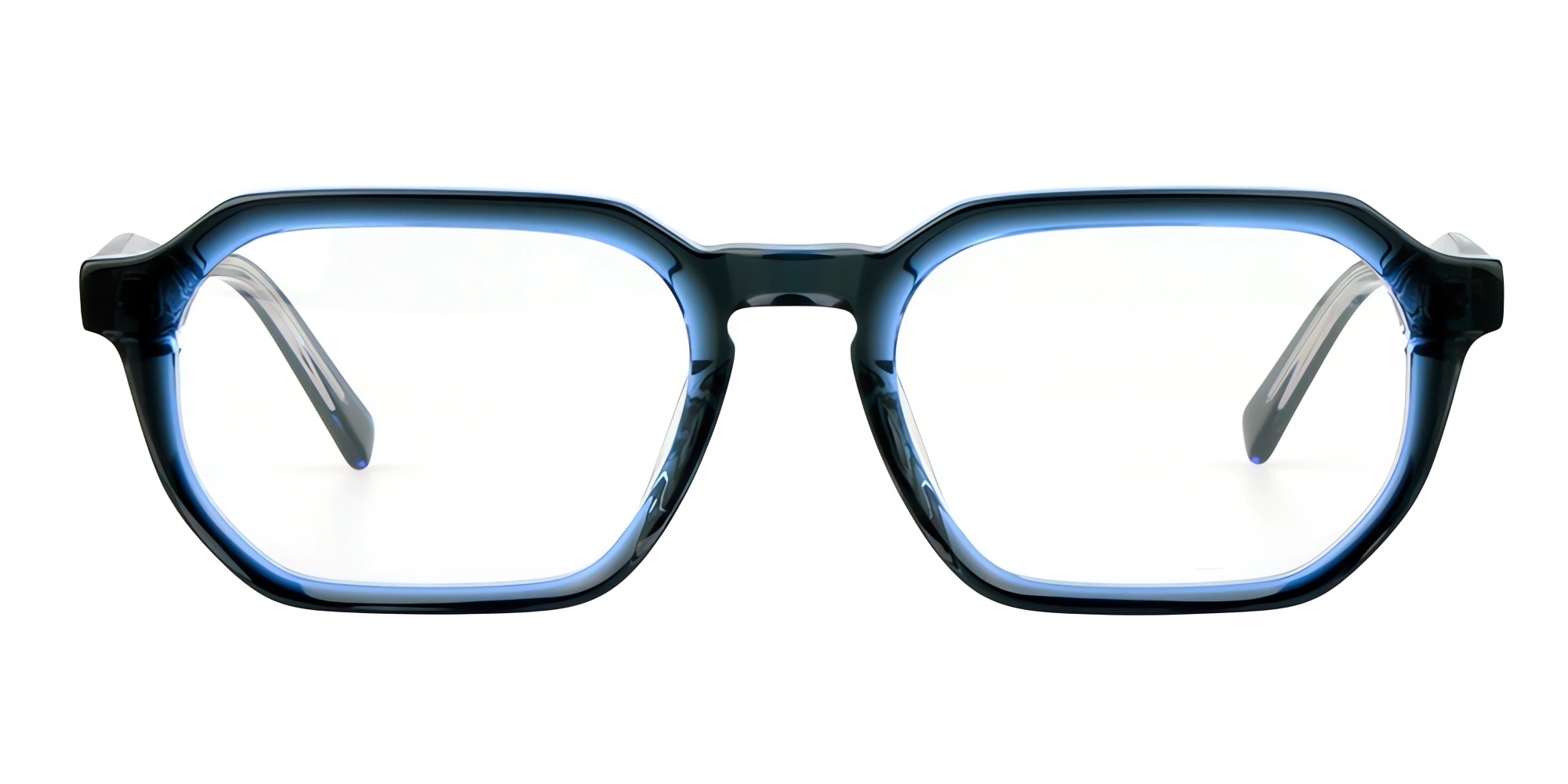
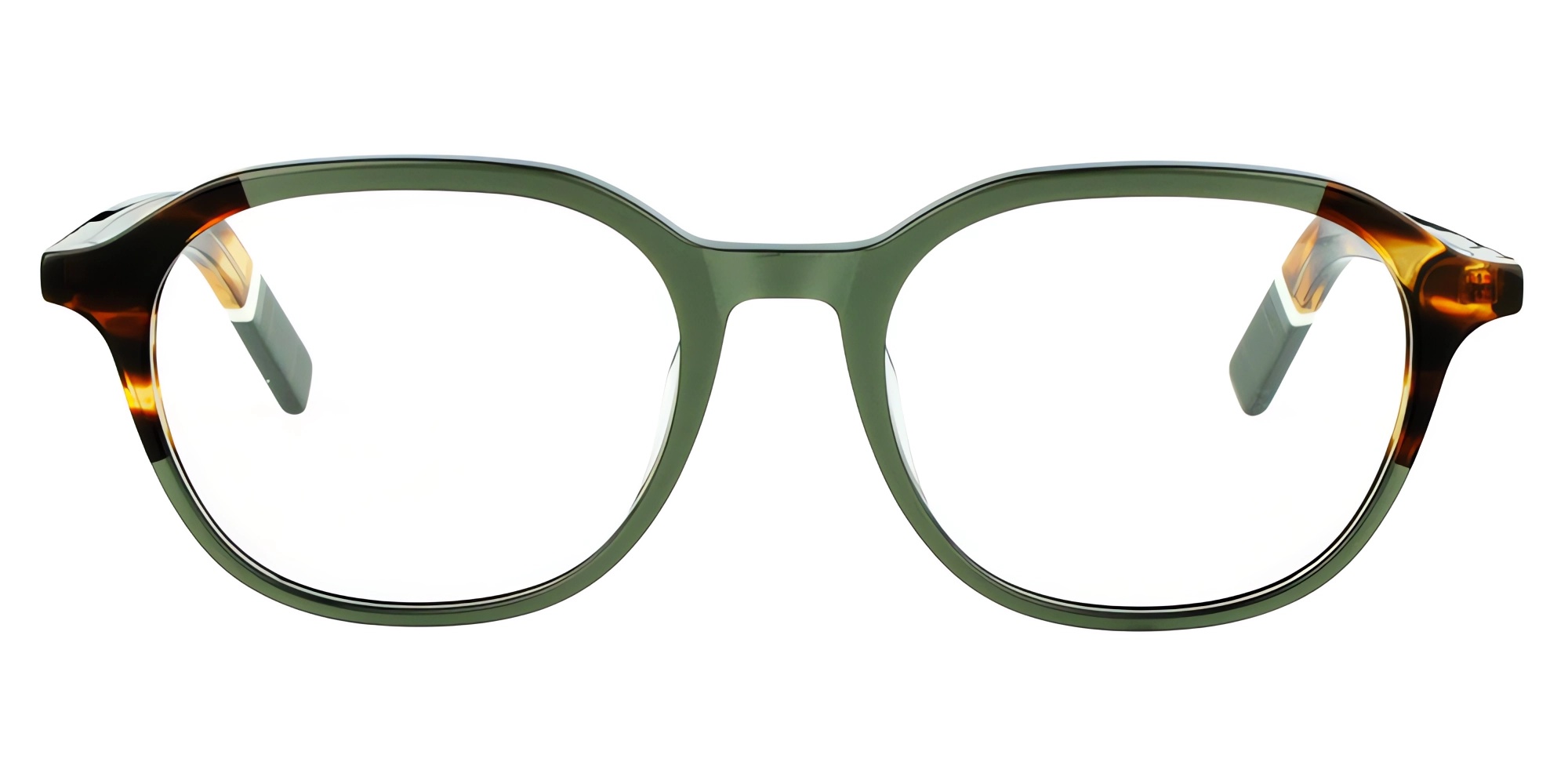
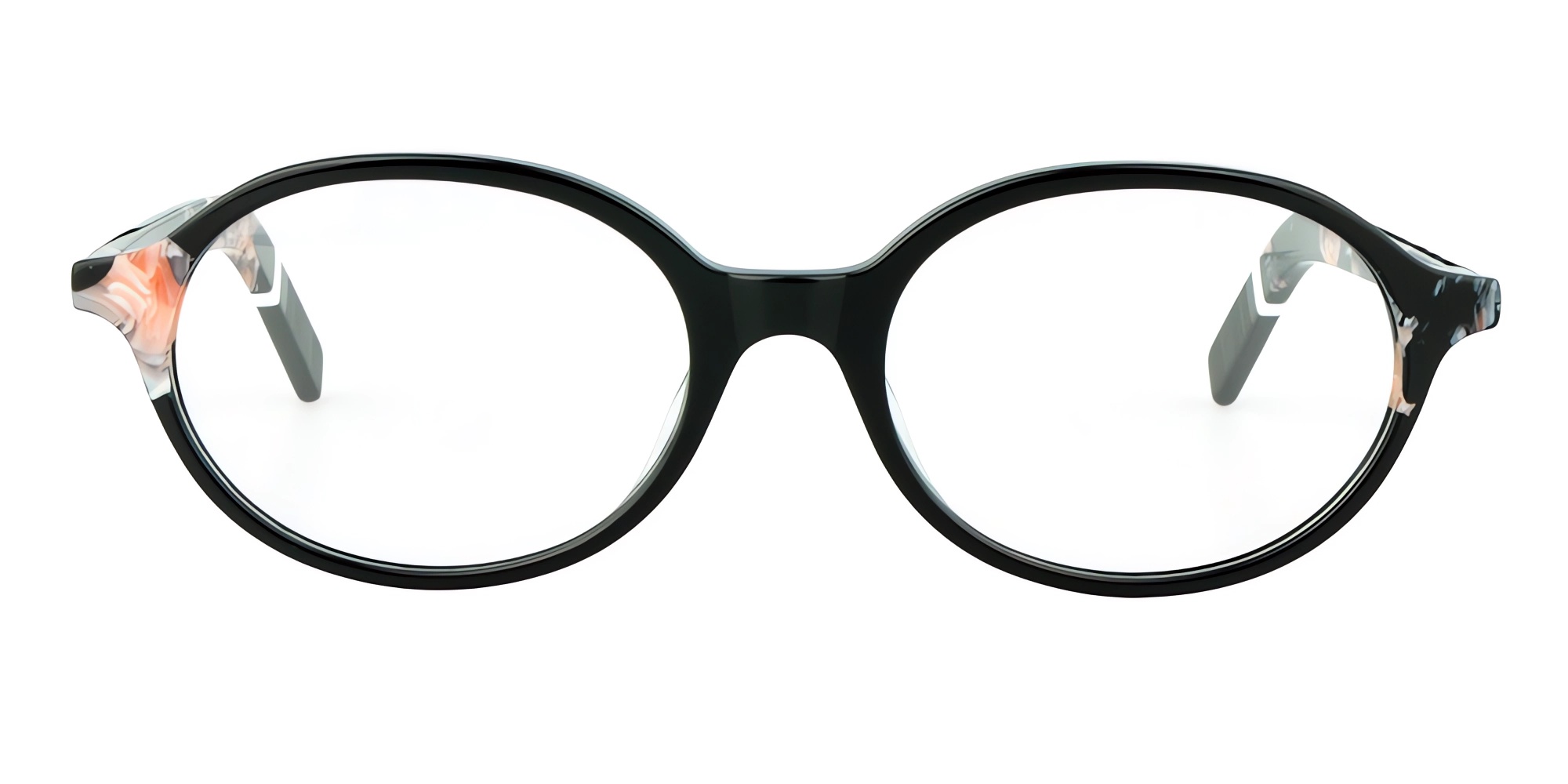
Why Unisex Eyewear Now Accounts for forty-one percent of the Global Market
August 23, 2026
Walk into any optical store or browse a direct-to-consumer eyewear brand today, and you will notice something that would have looked strange ten years ago: collections labeled simply "frames" or "eyewear" — no separate 'men's' and 'women's' sections.
That is not a merchandising afterthought. It is a structural shift.
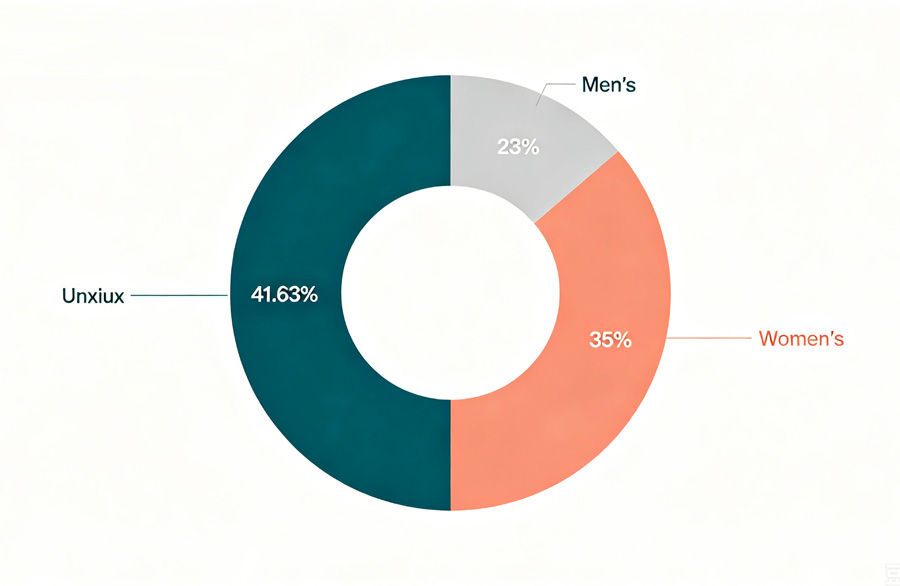
In 2025, unisex eyewear accounted for 41.63% of the global market by end-user segment, according to Mordor Intelligence. That makes it the single largest gender category — ahead of women's (~35%) and men's (~23%). With the overall global eyewear market valued at roughly USD 173.89 billion in 2025 and projected to reach USD 193.58 billion in 2026, that 41% slice represents more than USD 70 billion in annual revenue.
In short: unisex is no longer a niche. It is the default.
In this article, we break down why gender-neutral frames have taken over, who is driving demand, and what brands, retailers, and manufacturers should do about it.
What "Unisex Eyewear" Actually Means
Before diving in, let us define the term. Unisex eyewear — also called gender-neutral glasses or genderless eyewear — refers to frames designed to be worn by anyone, regardless of sex or gender identity.
Key characteristics:
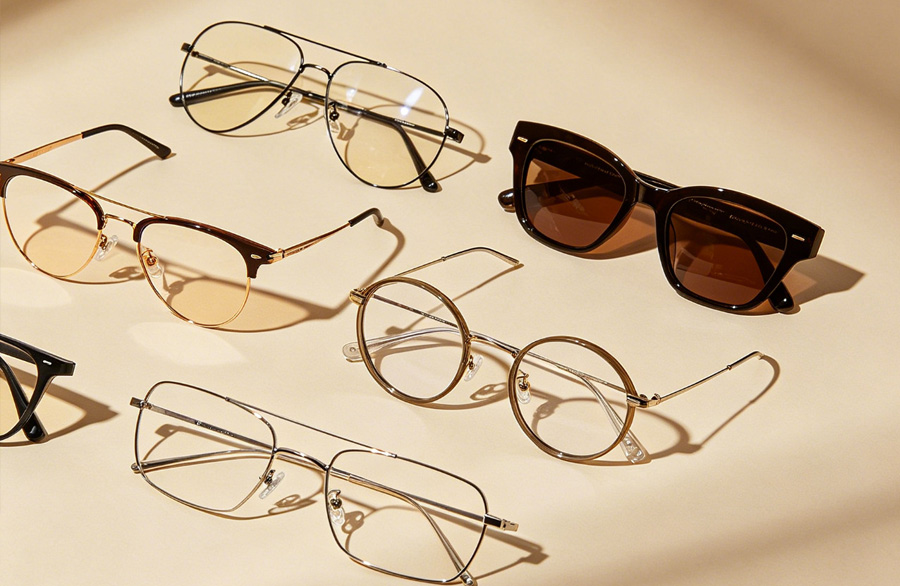
· Versatile silhouettes — aviators, wayfarers, round frames, thin metal rectangles
· Neutral colorways — matte black, tortoiseshell, brushed silver, translucent acetate
· Universal sizing — typically 48–54mm eye size, 18–22mm bridge, covering most adult faces
· No gendered branding — product pages avoid "for men" or "for women" labels
The critical insight: unlike apparel, where cut and fit create genuine gender differences, eyewear fit is governed by frame width, bridge size, and temple length — measurements that work across genders in a single size range.
Six Reasons Unisex Frames Are Winning
1. The Gender-Fluid Fashion Shift
Gen Z and younger millennials increasingly reject rigid gender categorization. For this cohort, clothes do not come with gender tags — they are fluid, experimental, and mood-driven.
Eyewear sits at the forefront because it is the most visible daily accessory a person wears. Over 60% of Gen Z now considers eyewear a core part of their outfit rotation, treating frames as a styling tool rather than a purely functional item.
2. Minimalist Silhouettes Travel Across Genders
The shapes that define unisex eyewear were never strongly gendered to begin with. Modern iterations in matte black, tortoiseshell, and brushed silver flatter a wide range of face shapes regardless of sex.
Top-selling unisex frame styles:
·Aviators
· Wayfarers
· Round frames
· Thin metal rectangles
·Oversized square frames

3. Inventory and Cost Efficiency for Retailers
From a supply-chain perspective, unisex eyewear is a retailer's dream. One SKU serves multiple demographics, which means:
· Lower inventory holding costs — no parallel men's and women's stock
· Reduced SKU complexity — easier merchandising, less dead stock
· Better margin protection — one production run serves a broader audience
· Simplified online merchandising — one product page, one image set
Alibaba's seller guidance explicitly notes that unisex configurations excel when inventory efficiency is your priority, because one SKU serves multiple demographics.
4. The Rise of DTC and Virtual Try-On
Brands like Warby Parker built their catalog around a simple philosophy: if you like it, wear it. By avoiding strict men's and women's categories, they reduced decision friction and broadened their audience from day one.
Online shopping also neutralizes a historic barrier: the fitting room. With virtual try-on tools, AI frame recommendations, and home-try-on programs, consumers confidently select frames without a salesperson steering them to a gendered section. This matters because online eyewear sales are growing at a 6.85% CAGR through 2031, outpacing the overall market.
5. Sustainability and "Buy Less, Buy Better"
Unisex eyewear aligns with sustainable consumption. A versatile, well-made pair that works across outfits, seasons, and even shared within a household reduces the impulse to buy multiple gender-specific pairs.
Gen Z consumers research supply chains, materials, and brand transparency before purchasing — and they reject greenwashing instantly. Brands combining unisex design with bio-acetate, recycled metal, and biodegradable materials capture the overlap between two high-growth trends.
Over 75% of adults worldwide now use corrective or protective lenses, and a growing share want their purchase to reflect their values.
6. Inclusive Branding as a Competitive Imperative
Unisex is good branding. In an era where consumers — especially younger ones — actively evaluate brands on inclusivity, launching gender-neutral collections is no longer optional for premium players. Brands from Gentle Monster to Warby Parker to a growing roster of manufacturers now market unisex as a core identity, not a side line.
Who Is Buying Unisex Eyewear?
Demographic | Why They Buy | Price Sensitivity |
Gen Z and Millennials (18–38) | Self-expression, gender-fluid identity, sustainability | Medium — will pay for values |
Emerging-market consumers | One pair works for the whole household, resale value | High |
Corporate and insurance buyers | Universal fit for safety glasses, blue-light, budget plans | High (bulk) |
Luxury shoppers | Timeless design, artistic statement, brand prestige | Low |
Gen Z and millennials are the core demographic — they prioritize comfort, self-expression, and ethical production over traditional gender norms, and they are the most likely to buy multiple pairs for different occasions.
Cost-conscious consumers in emerging markets across Southeast Asia, Latin America, and Africa drive huge wholesale volumes on platforms like Alibaba.com, where one durable, stylish pair can be worn by anyone or resold through informal channels.
Corporate and professional buyers rely on unisex frames for prescription safety glasses, blue-light filtering glasses, and optical insurance programs, where universal fit and neutral aesthetics are the goal.
Luxury and avant-garde shoppers push the premium end — the luxury unisex segment is growing at 6.81% CAGR, faster than the overall unisex category.
Regional Breakdown: Where Unisex Dominates
The global 41.63% average masks meaningful regional variation.
· Europe (32.6% of global market) — the largest regional market, with strong demand for minimalist, design-forward unisex frames in Northern and Western Europe.
·North America (28.4%) — highest DTC penetration; unisex collections are the default for most online-first brands.
· Asia Pacific — fastest-growing region, driven by Gen Z fashion adoption in South Korea, Japan, and Southeast Asia, plus massive manufacturing bases in China.
·Latin America and Middle East — price-sensitive and increasingly style-conscious; unisex frames gain share as affordable fashion accessories.
Takeaway: unisex is not a Western trend — it is global, and it is strongest where online retail and youth culture are growing fastest.
Actionable Takeaways for Brands and Retailers
For Brands
· Lead with unisex in your core collection, then layer gender-specific accent styles for customers who want them.
· Invest in virtual try-on and size guides — fitting confidence is the number one conversion lever for unisex frames online.
· Tell the inclusivity story authentically — back it with diverse imagery, extended size ranges, and sustainable materials.
For Retailers
·Consolidate SKUs to reduce inventory cost and free shelf space for premium or seasonal lines.
· Train staff to sell by face shape and lifestyle, not by gender — the unisex shopper resents being steered to a men's or women's wall.
· Merchandise by style and occasion (everyday, sun, blue-light, sport) rather than by gender.
For Manufacturers and Wholesalers
· Prioritize versatile silhouettes — aviators, wayfarers, rounds, thin metal frames in neutral colorways.
· Offer unisex size runs (48–54mm eye, 18–22mm bridge) to cover the broadest audience.
· Build OEM and private-label capabilities for DTC brands that want gender-neutral catalogs without the R&D cost.
What Is Next: 2026–2031 Outlook
Four trends will shape the next phase:
1.AI-driven personalization — Warby Parker calls this its third act, defined by AI in both operations and products. Expect AI-recommended unisex frames based on face scan, style preference, and prescription.
2. Smart eyewear integration — audio, AR, and health-monitoring features will be inherently unisex, as technology does not care about gender categories.
3. Sustainable materials at scale — bio-acetate, recycled ocean plastic, and carbon-neutral manufacturing will become table stakes for premium unisex lines.
4. Continued online growth — with online channels growing at 6.85% CAGR and unisex being the easiest category to sell digitally, the segment's share will likely climb toward 45–50% by the early 2030s.
Conclusion
Unisex eyewear's 41% market share is not a passing fad. It is the convergence of a generational cultural shift, a supply-chain efficiency advantage, and a product category that — by its very nature — does not need gender segmentation to sell.
Aviators look good on everyone. Round frames flatter every face. A thin metal rectangle is timeless, not masculine or feminine.
For brands that embrace unisex as a core strategy — backed by inclusive branding, sustainable materials, and digital-first fitting tools — the opportunity is enormous. For those still organizing their catalog around separate men's and women's walls, the clock is ticking.
The future of eyewear is not male or female. It is universal.
FAQ
What percentage of the global eyewear market is unisex?
In 2025, unisex frames accounted for 41.63% of the global eyewear market by end-user segment, making it the largest single gender category. Some broader forecasts place it as high as 45.8%.
Why is unisex eyewear so popular?
Six main drivers: the gender-fluid fashion shift among Gen Z, inherently versatile frame shapes (aviators, wayfarers, rounds), inventory and cost efficiency for retailers, the rise of DTC and virtual try-on, alignment with sustainable consumption, and inclusive branding as a competitive imperative.
Is unisex eyewear growing faster than men's or women's?
Unisex is the largest segment by share. Women's eyewear has a slightly higher projected CAGR (5.88% vs. ~5.5% for unisex), but unisex leads in absolute revenue. In the luxury sub-segment, unisex is growing at 6.81% CAGR.
Which region buys the most unisex eyewear?
Europe is the largest overall eyewear market (32.6% global share), followed by North America (28.4%). Asia Pacific is the fastest-growing region and a major manufacturing hub for unisex frames.
What are the most popular unisex frame styles?
Aviators, wayfarers, round frames, and thin metal rectangles in matte black, tortoiseshell, brushed silver, and translucent acetate are the top-selling unisex silhouettes.
How should retailers adapt to the unisex trend?
Consolidate SKUs, merchandise by style and occasion rather than gender, train staff to sell by face shape and lifestyle, and invest in virtual try-on tools to build fitting confidence online.