The Customization Trend in Eyewear: From Mass Production to Personalized Consumption
August 30, 2026
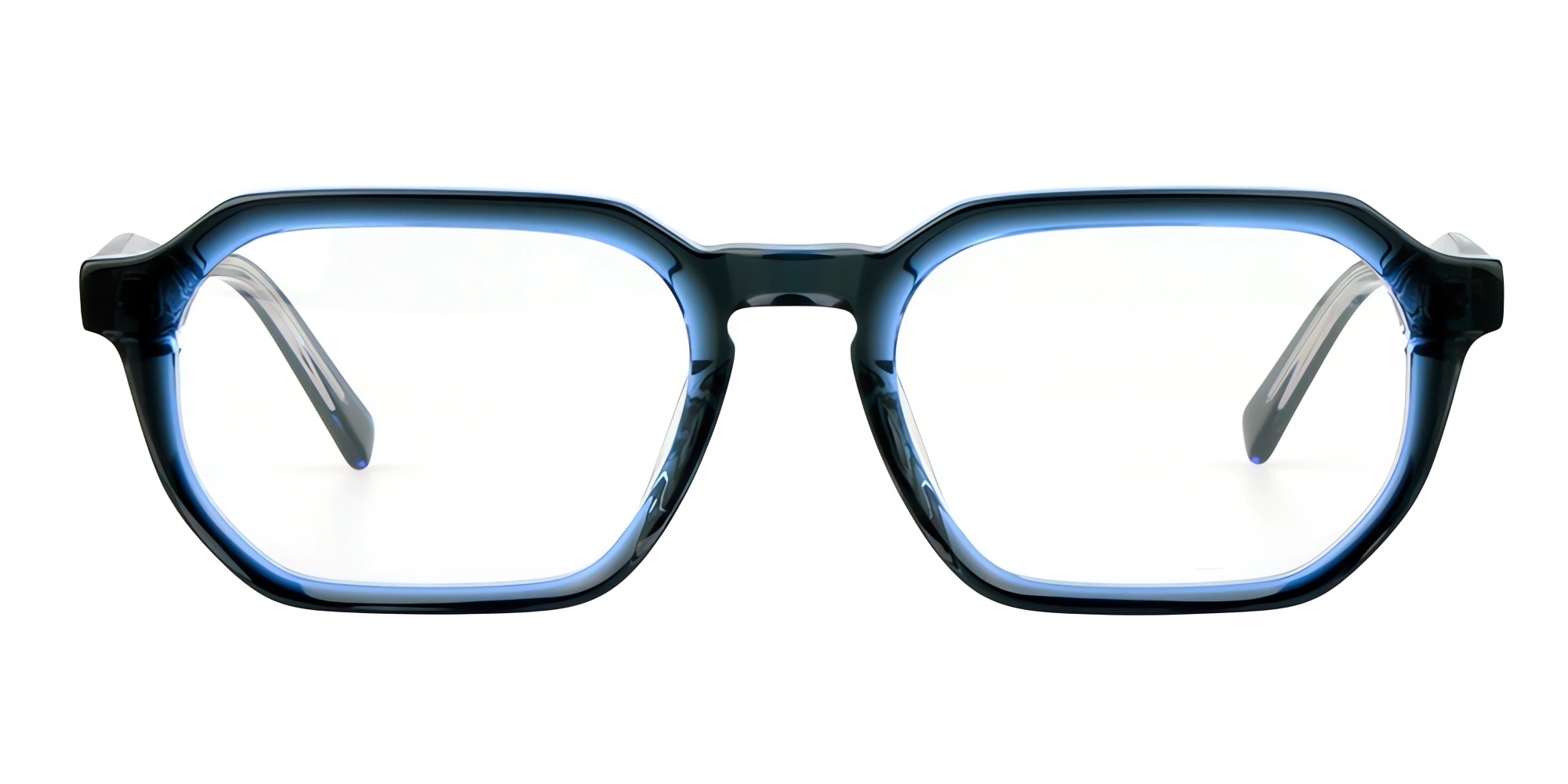
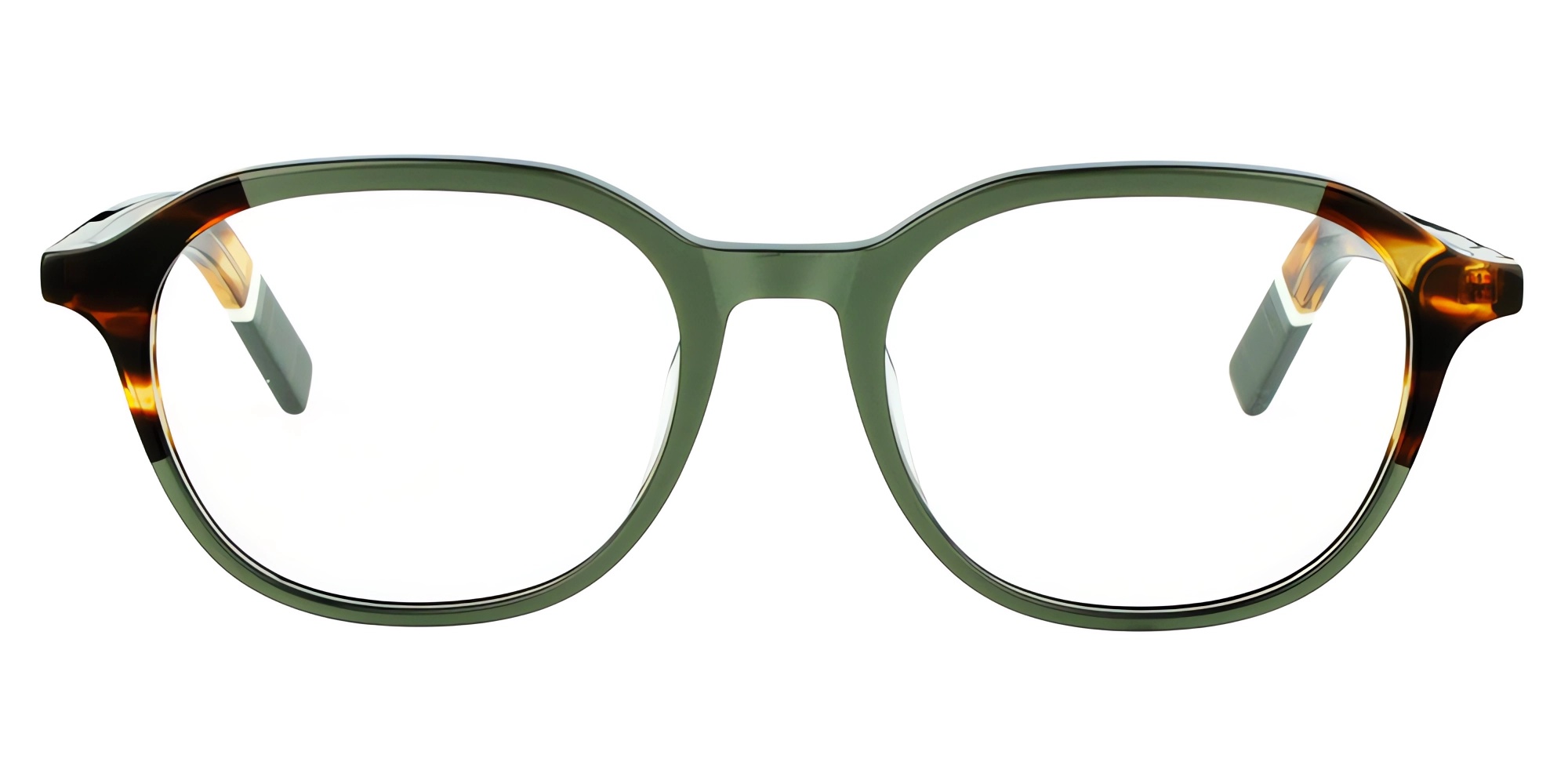
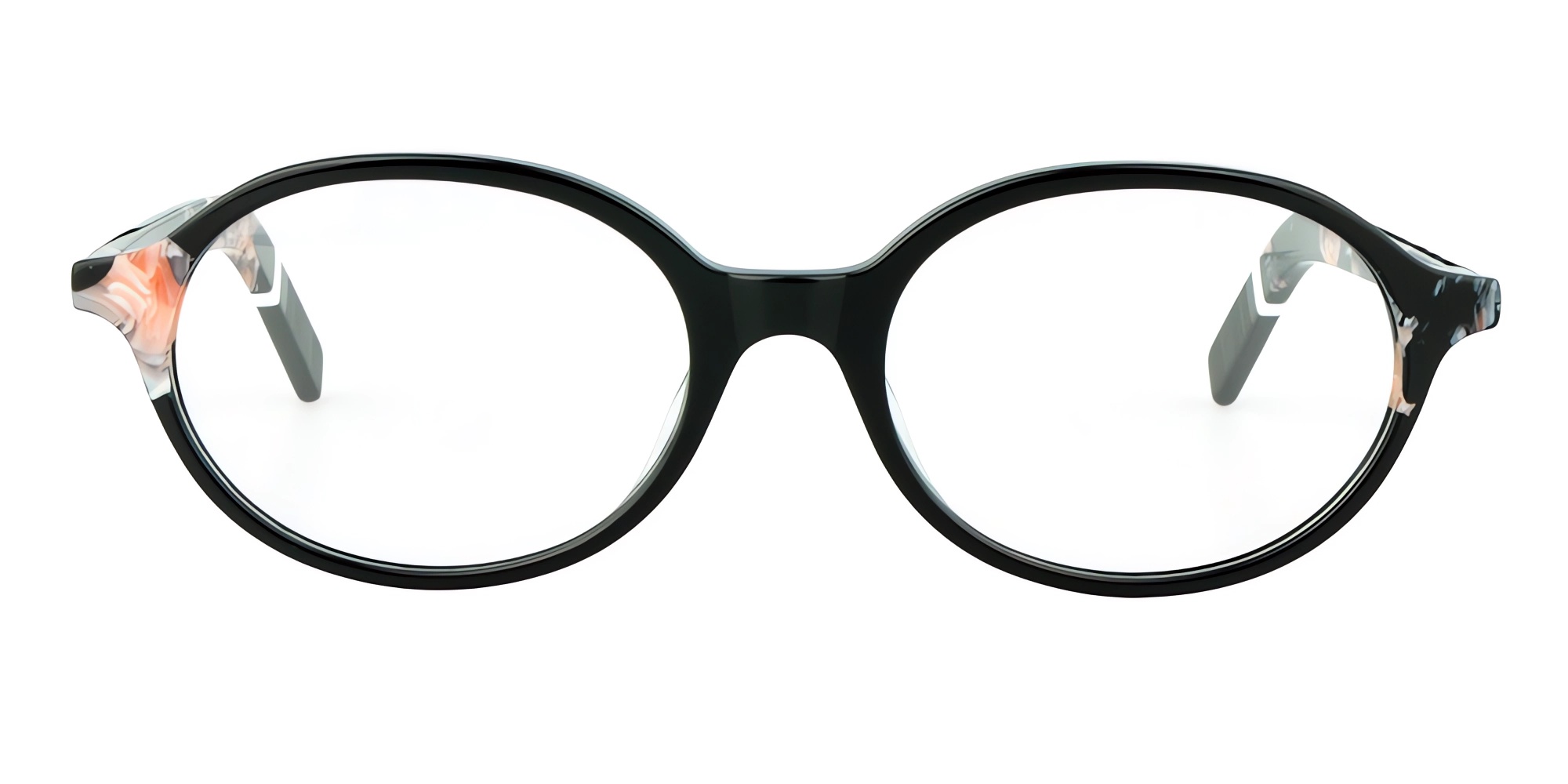
Walk into any high-end eyewear boutique or browse a DTC eyewear brand's website, and you will notice a clear shift: more and more consumers are no longer satisfied with "picking a pair off the shelf" — they want "a pair of glasses that belongs only to them." From engraved logos to custom-patterned acetate, from 3D face scanning to on-demand size adjustments, eyewear customization is evolving from a niche luxury service into a mainstream demand in the mass market. For eyewear brands, retailers, and wholesalers, understanding the underlying logic of this trend is the key to remaining competitive over the next three to five years.
1. Customization Is No Longer a Niche Demand
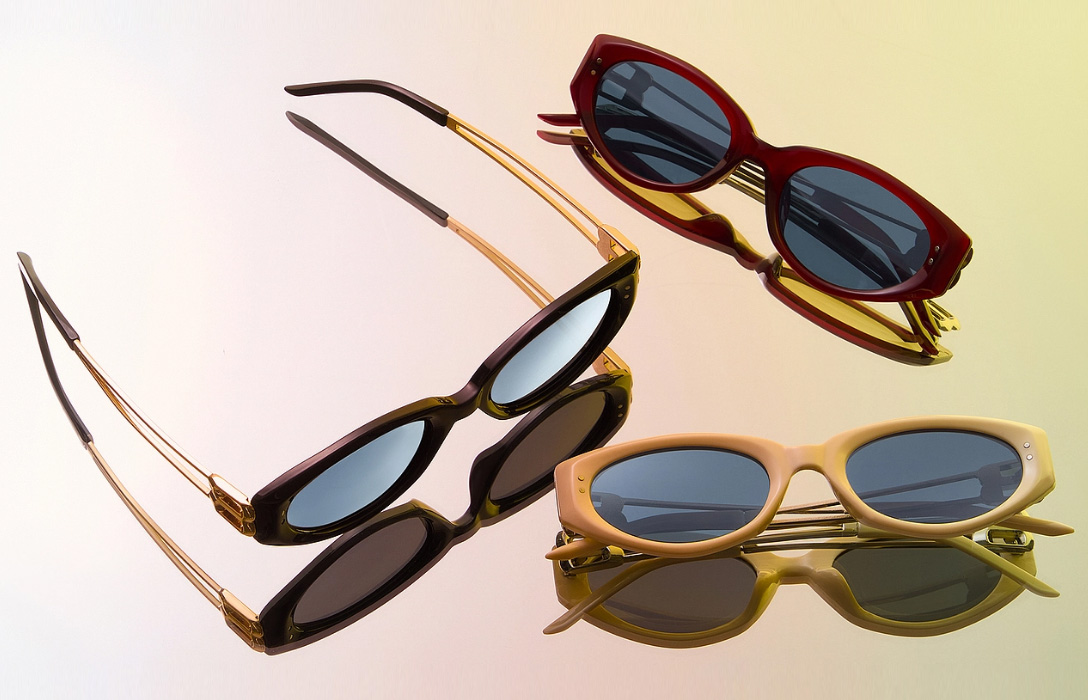
A decade ago, custom eyewear was almost synonymous with high-end handmade glasses, with prices often exceeding a thousand dollars and an audience limited to fashion elites and high-net-worth individuals. Today, customization has permeated every price segment of eyewear consumption. According to industry research, the global personalized eyewear market is growing at a CAGR significantly higher than the overall eyewear market and is expected to capture an even larger share by 2027. This growth is driven not only by high-end consumers but also by millennials and Gen Z — who view eyewear as a core accessory for self-expression rather than merely a vision correction tool.
More importantly, the definition of customization is expanding. It no longer simply means "fully custom from scratch" — instead, it encompasses a complete spectrum from light personalization (choosing colors, engraving, nose pad types) to medium customization (custom sizing, custom lens configurations) to deep customization (exclusive patterns, 3D-printed frames, full-process private customization). This multi-layered customization structure allows consumers with different budgets and needs to find a custom solution that suits them.
2. Three Key Drivers Behind Eyewear Customization
2.1 Rising Consumer Demand for Self-Expression
In an era of fast-fashion saturation, consumers increasingly crave uniqueness. As the most visible accessory on the face, eyewear has become the preferred vehicle for personalized expression. Over 60% of Gen Z consumers say they want their eyewear to "stand out" rather than match what everyone else is wearing. This mindset drives strong demand for custom patterns, exclusive colorways, limited editions, and personalized details such as temple engraving and custom nose pads.
2.2 Technological Advances Lower the Barrier to Customization
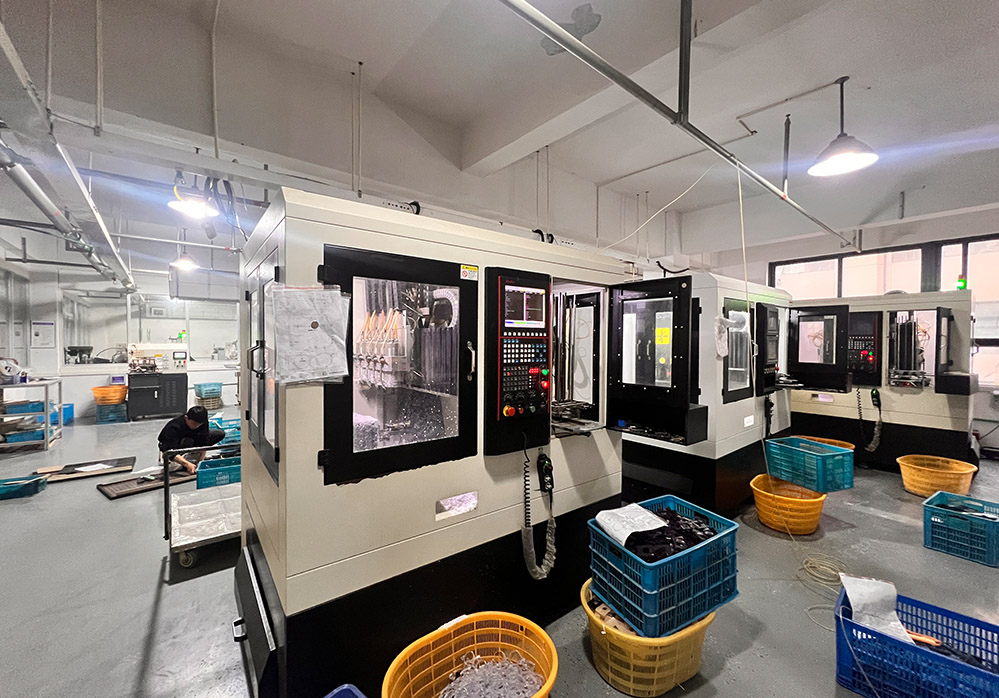
The maturation of 3D scanning, 3D printing, CNC precision carving, and digital pattern-making technologies has dramatically reduced the production cost and lead time of custom eyewear. In the past, crafting a custom acetate frame required a skilled artisan to hand-polish for days; today, through digital modeling and CNC precision carving, custom production can be completed in less time with higher precision. Meanwhile, Flexible Manufacturing Systems (FMS) make small-batch, multi-style custom production economically viable, so brands no longer need to bear enormous MOQ pressure for each custom product.
2.3 DTC Brands Reshape Consumer Expectations
DTC eyewear brands such as Warby Parker, Roka, and Pair Eyewear have educated consumers through innovative models like "home try-on," "online virtual try-on," and "modular frame design": eyewear can be personalized, it can be fun, and it can be assembled on demand. Pair Eyewear's "swapable top frame" model allows consumers to pair one base frame with multiple top frames — essentially a lightweight form of customization. The success of these DTC brands has raised consumer expectations across the industry — consumers now expect traditional brands and retailers to offer similar personalized options.
3. Four Levels of Eyewear Customization
Understanding the layered structure of customization helps B2B clients choose the right entry strategy based on their positioning.
Level 1: Light Personalization — Offering optional configurations on existing mass-produced styles, such as color combinations, temple engraving, custom nose pads, and custom lens colors. This is the lowest-barrier, easiest-to-implement form of customization, suitable for most retailers and brands to test the waters quickly.
Level 2: Medium Customization — Adjusting frame dimensions (frame width, bridge size, temple length), creating exclusive color schemes, and pairing specific lens configurations based on client needs. This level requires manufacturers with flexible production capabilities and is suitable for brands and chain retailers with a certain order volume.
Level 3: Deep Customization — Involvement from the design stage, including exclusive-pattern acetate customization, unique structural design, 3D-scanned face-custom frames, and full-process private customization. This level suits high-end and designer brands with high average order values, but also places the highest demands on a manufacturer's R&D and craftsmanship capabilities.
Level 4: OEM/ODM Brand Customization — Providing full-chain custom services from design and sampling to mass production for brands, including private mold development, exclusive logo craftsmanship, and custom packaging. This is the most core customization demand for B2B clients and the core service area of professional manufacturers like Bright Eyewear.
4. Impact on Traditional Wholesale and Retail Models
The impact of the customization trend on the traditional eyewear industry is structural. First, inventory logic is changing. Under the traditional model, retailers need to pre-purchase a large number of SKUs to cover different styles, colors, and sizes, leading to inventory backlog and capital tied up. Under the customization model, part of the demand can be met through the "order first, produce later" C2M (Consumer-to-Manufacturer) model, significantly reducing inventory risk.
Second, competitive barriers are being reshaped. In the past, competition among eyewear brands mainly focused on style design and price; now, the ability to offer personalized customization, respond quickly to small-batch custom demands, and ensure quality stability of custom products has become a new competitive dimension. Brands and retailers lacking customization capabilities will gradually lose younger consumer segments in future market competition.
Finally, profit structures are being optimized. Customized products typically have higher average order values and lower price sensitivity, because consumers pay a premium for "exclusivity" and "uniqueness." For B2B clients, introducing a customized product line not only improves gross margins but also enhances customer stickiness — once consumers experience custom service, repurchase rates and brand loyalty increase significantly.
5. How B2B Players Can Capture the Customization Opportunity
For eyewear brands and retailers, embracing the customization trend does not require an all-at-once approach — a gradual strategy works.
Step 1: Start with light personalization. Add optional configurations to existing product lines, such as offering 3–5 color combinations, temple engraving services, and optional nose pad types. These changes are low-cost and quick to implement, allowing you to rapidly test consumer acceptance of customization.
Step 2: Establish flexible supply chain partnerships. Find manufacturing partners with small-batch customization capabilities to ensure controllable lead times from sampling to mass production. A reliable custom manufacturing partner is the core infrastructure for brands expanding their custom business.
Step 3: Build a customized consumer experience. Set up custom consultation areas in physical stores, offering face scanning, style recommendations, and material trials; provide virtual try-on and custom configurators online. Customization is not only a product-level change but also an experience-level upgrade.
Step 4: Gradually extend to deep customization. After light personalization is validated, gradually introduce medium customization (e.g., custom sizing) and deep customization (e.g., exclusive patterns). Each step builds on the data feedback of the previous one, ensuring healthy growth of the customization business.
6. Bright Eyewear: Manufacturing Capabilities from OEM to Deep Customization
As a professional Wenzhou-based eyewear manufacturer with over 18 years of experience, Bright Eyewear deeply understands the value of the customization trend for B2B clients and has established a manufacturing service system covering all customization levels.
In OEM/ODM brand customization, Bright Eyewear provides full-chain services from market research, style design, 3D modeling, and prototype sampling to mass production. Whether it is optical frames, sunglasses, reading glasses, or sports sunglasses, brands can select and customize from Bright Eyewear's 3,000+ style library, or present entirely original design requirements — Bright Eyewear's R&D team will bring them from concept to finished product.
In craftsmanship customization, Bright Eyewear supports multiple logo customization techniques (laser engraving, silk screen printing, hot stamping, metal inlay), custom packaging design, exclusive-pattern acetate development, and custom plating colors. For high-end clients requiring deep customization, Bright Eyewear can also provide exclusive mold development and small-batch flexible production, ensuring every custom product has unique brand recognition and stable production quality.
More importantly, Bright Eyewear adheres to the principle that "customization does not mean lower standards." Whether for mass production or custom orders, the same strict quality control standards are applied — from raw material inspection and in-process patrol checks to finished product full inspection, ensuring every pair of custom glasses meets quality standards consistent with or even higher than mass-produced products.
Conclusion: Customization Is a Trend, and Even More a Competitive Advantage
Eyewear customization is not a passing fad — it is a structural shift driven jointly by consumption upgrading, technological advancement, and generational change. From mass production to personalized customization, the eyewear industry is undergoing a profound transformation from "product-centric" to "consumer-centric."
For brands and retailers, the earlier you build customization capabilities, the better positioned you will be in future market competition. Choosing a manufacturing partner with full-chain customization capabilities, strict quality control, and flexible production is a critical step in converting the customization trend into tangible business value. Bright Eyewear is ready to partner with eyewear brands and retailers worldwide to capture the growth opportunities of the personalized customization era.