Why Your Eyewear Supplier Should Be Part of Your Design Team?
July 26, 2026
Many emerging eyewear brands view suppliers merely as production factories. They finish design work independently and send CAD drawings to manufacturers only for mass production. This outdated model frequently leads to structural flaws, out-of-control costs, unsatisfactory wearing comfort and high return rates after product launch.
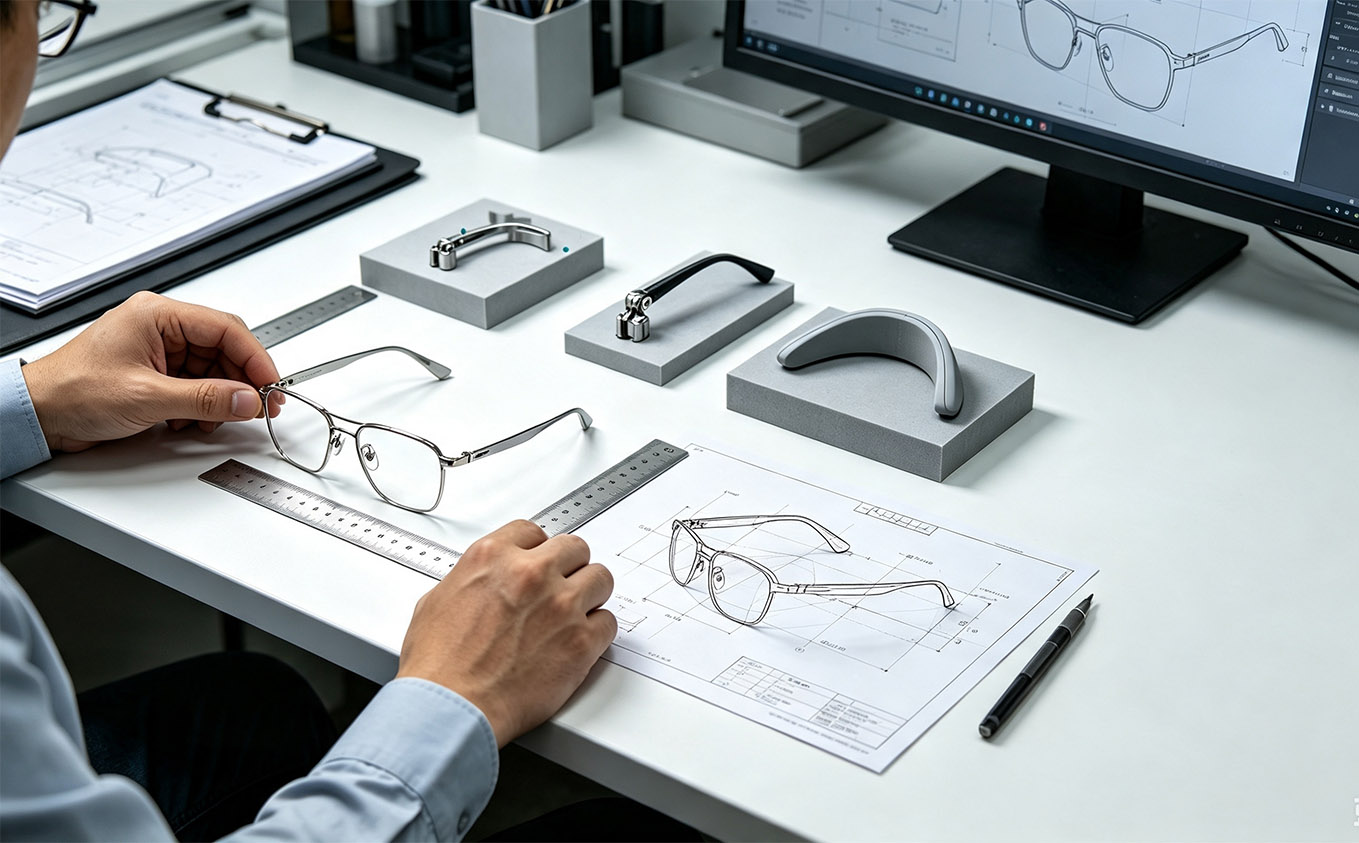
Factory ≠ Pure Manufacturer
Factory = Product Development Partner
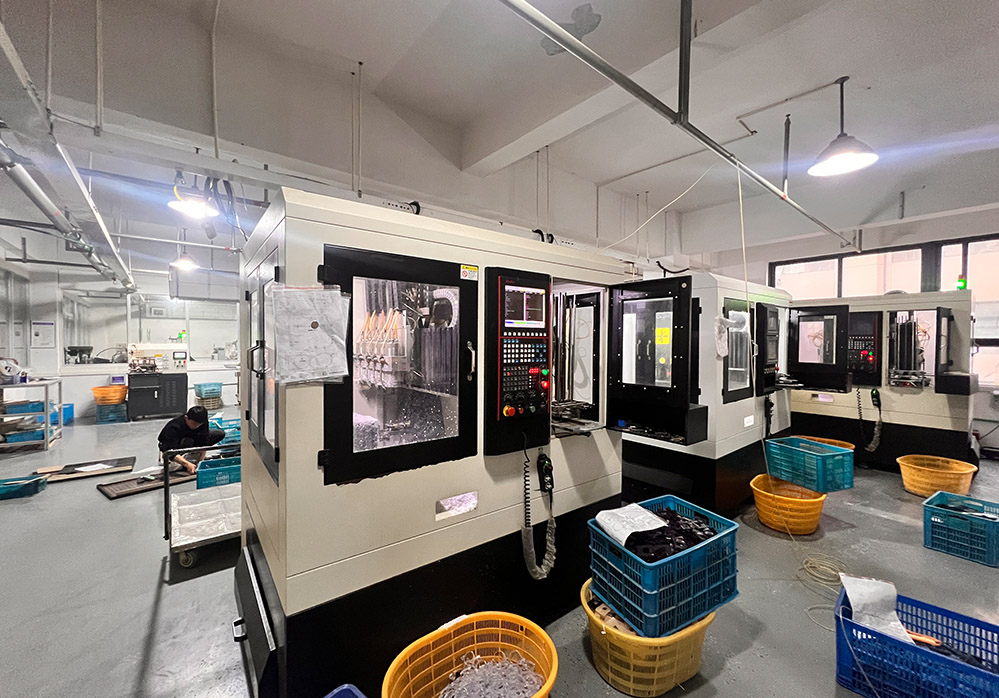
A professional eyewear supplier is far more than a workshop that copies drawings. Involving your supplier at the early design stage means gaining an extended design team. They provide full support covering engineering design, structural suggestions, cost optimization and material selection.
1. Professional Engineering Design Guidance
Independent designers usually focus on visual aesthetics, yet lack deep experience in eyewear ergonomics and industrial manufacturability. Experienced suppliers master core eyewear engineering knowledge: hinge spacing, temple geometry, nose support layout, weight balance, as well as parameter adjustment for Asian fit and European fit.
They can identify potential wearing defects at blueprint stage, preventing common issues such as head pinching, frame slipping and excessive nose pressure before sample production.
2. Practical Structural Suggestions
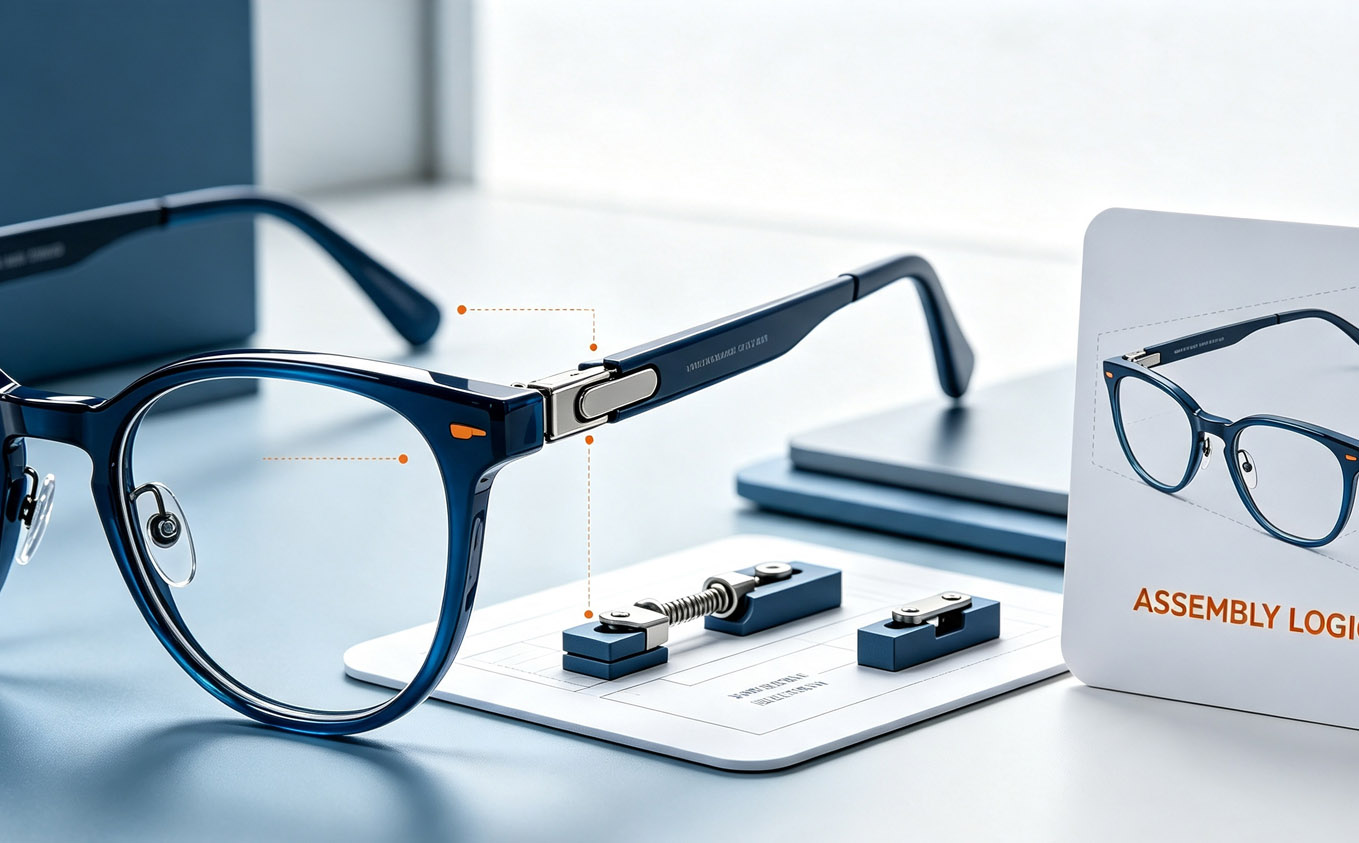
Many visually attractive designs look perfect in renderings, but are difficult to produce in mass production or suffer insufficient structural stability. As your development partner, the supplier delivers targeted structural advice:
Reasonable selection between fixed hinges and spring hinges
Optimize connection positions to avoid easy breakage
Adjust frame thickness to balance texture and durability
Optimize assembly structure to simplify post-production processing
Early structural intervention reduces repeated sample revisions and shortens the whole product launch cycle.

3. Targeted Cost Optimization
Cost control should not start after samples are completed. When suppliers join design discussions, they propose practical optimization solutions without sacrificing appearance and quality:
Adjust partial structures to eliminate unnecessary processing steps
Optimize layout to raise material utilization rate
Avoid over-complicated craftsmanship that pushes up unit costs
This approach helps you lock the target price range from the design phase, avoiding the awkward situation where a great design cannot be produced within budget.
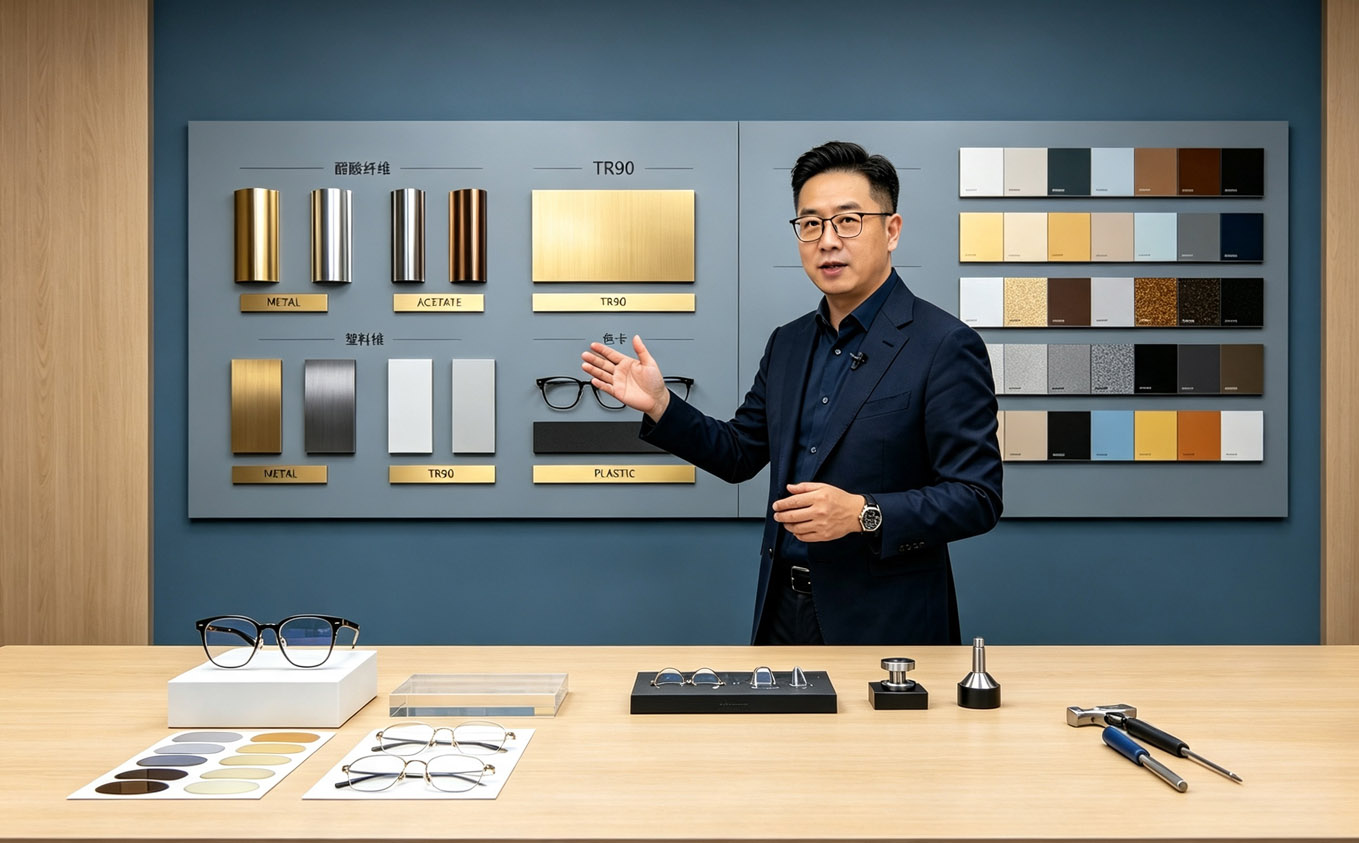
4. Professional Material Recommendation
Many designers choose materials only based on online reference pictures, ignoring hardness, ductility, surface finishing effect, processing difficulty and supply stability.
Reliable eyewear suppliers maintain long-term partnerships with raw material manufacturers. They recommend suitable metal, acetate, TR90 and plastic materials based on your brand positioning, target market, design style and budget. Meanwhile, they clarify the advantages and limitations of each material to avoid unrealistic material matching.
Conclusion
Competition in the global eyewear market keeps growing. Simply outsourcing production can no longer support sustainable brand growth.
Instead of treating your eyewear supplier as a factory only for order fulfillment, invite them to join your design team. Joint development creates advantages in engineering design, structural iteration, cost management and material selection. It enables you to launch comfortable, market-competitive eyewear and lower various risks throughout product development.